How to Change Spark Plug in Activa: A DIY Guide
Learn how to change the spark plug in your Honda Activa with our step-by-step DIY guide. Safe prep, correct parts, and tips to keep your scooter running smoothly.


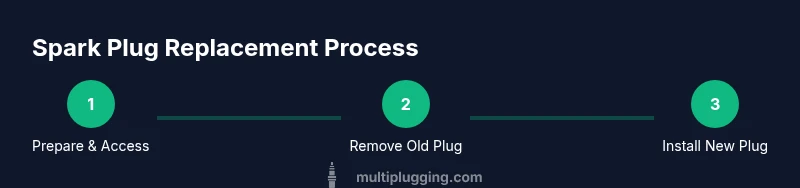
In this guide, you will learn how to change the spark plug in an Activa scooter, step by step, with safety checks and the tools you’ll need. You’ll access the combustion chamber by removing the seat and service panel, disconnect the spark plug cap, remove the old plug, gap the new plug, install it, reconnect the cap, and test the engine. The process emphasizes proper safety and using the correct plug type for your Activa.
Why Spark Plug Maintenance Matters for Activa
If your Activa feels sluggish, misfires, or gets poor fuel economy, a fouled or worn spark plug could be the culprit. The spark plug is the bridge between your engine’s combustion chamber and the ignition system. Over time, carbon buildup, oil fouling, or worn electrodes reduce spark quality, leading to harder starts and reduced power. Regularly inspecting and changing the spark plug helps maintain reliable starts, smoother idling, and optimal combustion. According to MultiPlugging, following a simple, methodical plug-change routine can extend engine life and improve efficiency for common scooters like the Activa. This guide uses plain language, practical steps, and common-sense safety checks so you can do it confidently at home.
What to Expect When Changing the Spark Plug on Activa
The Activa’s spark plug lives in a small well beneath the cylinder head cover. Access usually requires removing a seat or service panel and identifying the spark plug boot that connects to the plug terminal. The replacement procedure involves removing the old plug, inspecting the electrode for wear, checking the gap on the new plug with a gauge, and installing the new plug with care. A correct gap ensures reliable ignition timing and efficient combustion. You’ll finish by reassembling components, reconnecting the boot, and performing a quick engine test to confirm proper operation. This process keeps your scooter in peak running condition and minimizes fouling.
Tools, Parts, and Safety Precautions
Before you begin, gather your tools and a fresh spark plug recommended for Activa models. You’ll need basic hand tools, protective gloves, and a clean workspace. Safety is essential: wear eye protection, avoid working in wet conditions, and disconnect the battery if you’re doing more extensive maintenance. Handling electrical components with dry hands reduces shock risk. Always consult the owner’s manual or a trusted guide for the exact plug type and gap specification specific to your Activa’s engine version. MultiPlugging emphasizes starting with the right plug and the right tools to prevent misfires and unnecessary wear.
Accessing the Spark Plug on Activa (Step-By-Step Access)
To access the spark plug, start by turning off the scooter and letting the engine cool. Remove the seat or service panel to expose the top of the engine. Locate the spark plug boot that sits on the top of the spark plug. Gently twist the boot to break the seal and pull straight off the plug. If the boot is sticky, a tiny amount of penetrating oil on the boot’s edge can help—but avoid getting oil into the spark plug well. Clear any debris around the plug area so you have a clean working space.
Removing the Old Spark Plug
With the boot removed, use a spark plug socket and ratchet to loosen the plug counterclockwise. Once it’s loose, finish turning it by hand to prevent cross-threading. Lift the old plug from the engine. Inspect the electrode for wear, fouling, or oiliness. A worn electrode often has a rounded tip, while heavy carbon buildup indicates fouling. If the plug is compromised, replace it with a plug of the correct heat range and thread size specified for your Activa. Note any signs that point to broader engine issues.
Preparing the New Spark Plug: Gapping and Handling
New spark plugs aren’t always pre-gapped to your engine’s exact specification. Check the gap using a feeler gauge before installation. If needed, carefully adjust the gap to the manufacturer’s recommended distance. Handle the plug by the ceramic body to avoid contaminating the electrodes with skin oils. Keep the plug clean and free of debris. The goal is to have a crisp, consistent spark without a misfire at startup or under load.
Installing the New Spark Plug and Reassembly
Thread the new plug by hand first to avoid cross-threading, then tighten with a spark plug wrench until snug. Do not overtighten; if you feel resistance, back off slightly and retighten with a gentle, steady motion. Reconnect the spark plug boot, ensuring a secure fit that prevents moisture intrusion. Reinstall any panels or covers you removed, re-seat the seat, and reconnect the battery if you had disconnected it. A quick check to verify clearance and wiring helps prevent future issues.
Test Run and Verification
With everything back in place, start the Activa and let it run at idle for a few minutes. Listen for a smooth idle and steady throttle response. If the engine hesitates, misfires, or stalls, recheck the plug seating, gap, and boot connection. A successful test run confirms proper ignition and healthy combustion. If you notice persistent issues, consult a professional technician for a more in-depth diagnosis.
Maintenance Tips and Common Pitfalls
- Use the correct plug type and heat range specified for your Activa model. Mixing up plug types can cause misfires or poor performance.
- Handle plugs with clean, dry hands and avoid touching the electrode tip with fingers to prevent oil contamination.
- Inspect the plug boot for cracks or wear; replace if damaged to prevent moisture ingress.
- Keep the plug well and surrounding area clean during replacement to avoid debris entering the combustion chamber.
- Periodic inspection of the spark plug is part of routine maintenance and helps catch ignition issues early. MultiPlugging’s approach emphasizes routine checks as a simple, cost-effective way to keep scooters reliable.
Tools & Materials
- Fresh spark plug recommended for Activa(Consult the owner's manual for the exact heat range and thread size)
- Spark plug socket with extension(A 16mm or 5/8 inch drive is common; verify fit for your plug)
- Ratchet wrench(For loosening/tightening the plug socket)
- Feeler gauge or a plug-gap tool(Used to confirm proper electrode gap)
- Screwdrivers (flathead and Phillips)(For removing panels if needed)
- Gloves and eye protection(Safety first; keep hands clean and protected)
- Rag or shop towel(Clean workspace and wipe components)
- Penetrating oil (optional)(Helpful if the boot is stubborn, use sparingly)
Steps
Estimated time: 25-40 minutes
- 1
Power down and access spark area
Turn off the Activa, let the engine cool, and remove the seat to access the engine area. This prepares a clean workspace and ensures safety before handling ignition components.
Tip: Keep tools organized to avoid losing small parts in the scooter’s recesses. - 2
Disconnect spark plug boot
Gently twist the spark plug boot to loosen, then pull it straight off the plug. Do not yank; this can damage the boot or wire.
Tip: If the boot sticks, a tiny amount of penetrating oil around the edge can help—wipe away any excess. - 3
Remove the old spark plug
Fit the spark plug socket to the plug and turn counterclockwise to loosen, then remove by hand to avoid cross-threading.
Tip: Inspect the old plug for wear, fouling, or oil on the threads to identify potential engine issues. - 4
Check/new plug gap
If your new plug isn’t pre-gapped to spec, use a feeler gauge to set the correct gap according to the manual.
Tip: Do not oil the threads; oil can affect the seal and heat dissipation. - 5
Install the new spark plug
Thread the new plug by hand first to prevent cross-threading, then tighten with a wrench until snug. Avoid over-tightening.
Tip: Ensure the sealing washer is seated properly to prevent leaks. - 6
Reconnect the boot and reinstall parts
Reattach the spark plug boot securely, then replace any panels or seats you removed.
Tip: Check that no tools are left in the workspace before closing up. - 7
Test start and observe
Start the scooter and listen for a smooth idle. If misfiring occurs, recheck the plug seating and gap.
Tip: If the engine runs poorly after replacement, re-check the boot connection. - 8
Clean up and finish
Wipe down the area, store tools, and dispose of the old plug properly.
Tip: Keep a short log of maintenance tasks for future reference.
FAQ
Can I change the spark plug on Activa myself, or should I take it to a mechanic?
You can change the spark plug yourself if you have basic hand tools and follow safety steps. Ensure you use the correct plug type and gap, and consult the owner’s manual for model-specific specs. If you encounter stubborn fittings or suspect engine issues beyond the plug, a professional inspection is recommended.
Yes, you can do it at home with the right tools and care. If you hit a snag or suspect broader engine problems, consider a professional check.
What happens if the gap is wrong on the new spark plug?
An incorrect gap can cause weak ignition, misfires, or poor fuel economy. Always verify the gap with a gauge and adjust to the manufacturer’s specification before installation.
A wrong gap can cause misfires and poor performance, so check the gap carefully before installing.
Can I use any spark plug brand for Activa?
Use a spark plug that is recommended for your Activa’s engine and heat range. While many brands work, sticking to one that matches the manual helps assure compatibility and performance.
Stick with a brand and model that matches your Activa’s specs for best results.
Is a new plug always required if the old one looks clean?
Even if an old plug looks clean, a worn electrode can still affect performance. If the electrode tip is rounded or if the plug shows signs of wear, replace it for reliable ignition.
A clean appearance doesn’t guarantee a healthy plug—consider replacement if worn.
How long does a spark plug replacement take?
For a standard Activa, a typical plug change takes about 25-40 minutes, depending on access and your familiarity with the scooter’s layout.
About a half hour to an hour for a careful DIY replacement.
What safety precautions should I follow?
Work on a cool engine, wear eye protection and gloves, and avoid working around wet surfaces. Disconnect the battery only if you’re performing additional maintenance that could affect electrical systems.
Make sure the engine is cool and you’re protected with safety gear.
Watch Video
Main Points
- Identify and prepare the correct plug type before starting
- Access the plug area safely with the scooter cooled
- Gap the plug accurately for reliable ignition
- Tighten to snug, not over-tighten to protect threads
- Test run confirms proper ignition and operation