Craftsman LT1000 Spark Plug Diagnosis, Replacement, and Maintenance
A comprehensive, step-by-step guide to diagnosing, replacing, and maintaining spark plugs on the Craftsman LT1000 riding mower. Learn which plugs fit, how to gap and torque correctly, and practical maintenance tips to extend plug life and improve starting performance.


Why Spark Plugs Matter for the LT1000
The Craftsman LT1000 uses a small air-cooled engine that relies on a reliable ignition system to start cleanly and run smoothly. The spark plug is the ignition point where the air-fuel mixture is ignited. If the plug is worn, fouled, or misfiring, you may experience hard starting, rough idle, reduced power, or poorer fuel efficiency. According to MultiPlugging, regular inspection and timely replacement of the spark plug is one of the simplest, most effective ways to keep your LT1000 running reliably. This guide focuses on the Craftsman LT1000 as a practical example, but the core principles apply to most lawn- and garden-engine ignition systems. The goal is to empower you to diagnose issues, choose the right plug, and perform a safe replacement with common hand tools.
As you read, remember that the right plug, proper gap, and correct seating are the triad that determine ignition performance. If you notice misfires or hard starts, start with the plug and bootstrap the diagnosis from there. The steps below are designed for DIYers with basic tools and a mindset for safe, incremental testing.
Matching the Right Spark Plug for Craftsman LT1000
The LT1000 typically requires a compatible spark plug with the correct thread size and heat range. There are several plug technologies—copper core, platinum, and iridium—each offering different lifespans and fouling resistance. For DIY maintenance, a standard replacement plug that matches the engine’s spec is usually sufficient. Avoid plugs with an incorrect heat range, which can cause fouling, preignition, or incomplete combustion. Use the old plug or the mower’s manual as a reference for the appropriate gap.
When installing, note whether anti-seize is recommended by the plug manufacturer for your engine. Some modern engines rely on torque settings rather than lubrication on threads to achieve proper seating. If you are unsure, follow the OEM guidelines and avoid applying excessive lubrication to the threads. If the plug arrives pre-gapped, verify with a gauge and only adjust if necessary according to the manual. The goal is reliable spark delivery without compromising thread integrity or heat transfer.
Common Symptoms of Failing Spark Plugs in LT1000
Recognizing plug health helps prevent unnecessary troubleshooting. Common symptoms include hard starts, rough idle, misfires during acceleration, and reduced fuel economy. If you notice deposits on the plug tip (oil, carbon, or fuel glaze), or if the ceramic insulator shows cracks or damage, inspect the plug. Misfiring or hesitation at higher RPM can also point to a worn or fouled plug. After replacement, confirm the boot seats fully on the plug hex to ensure a solid electrical connection. If problems persist after a new plug, re-check the gap and examine the ignition coil and wiring as potential culprits.
In the LT1000, a properly functioning plug contributes to smoother cold starts and a steadier idle. If you observe symptoms that only occur after warm-up, verify the spark plug heat range and the fuel system health, as heat-range mismatches can manifest differently between cold and hot conditions.
Pre-Check and Safety Before Replacing
Before touching ignition components, park the mower on a level surface, turn off the engine, and allow it to cool. Disconnect the spark plug boot to prevent accidental shocks. Work in a well-ventilated area and keep a small container for the removed plug. If your LT1000 has a deck or shroud, remove it to access the plug area more easily. Identify the exact plug location using the owner's manual or a diagram and prepare your replacement plug before you begin.
Security and safety first: wear gloves and eye protection, and keep tools organized to avoid dropping debris into the engine. Clear the workspace of loose objects and ensure the mower cannot roll while you work. These precautions help prevent injuries and missteps during replacement.
Tools and Materials You'll Need
- Spark plug socket with rubber insert, sized to fit the LT1000 plug
- Ratchet with appropriate drive (3/8-inch is common)
- Replacement spark plug(s) with the correct heat range for the LT1000
- Torque wrench or torque screwdriver (optional but recommended for proper seating)
- Dielectric grease for the boot contact (optional but helpful)
- Clean rag for wiping deposits and seating surfaces
- Anti-seize compound (optional; check the manual for guidance)
- Safety gloves and eye protection
- Small tray or magnetic tray to keep fasteners in order
Note: Always verify the exact plug specification from the user manual or the engine manufacturer before purchasing replacements. This helps avoid mismatched heat ranges or thread sizes that can impact performance.
Step-by-Step Overview
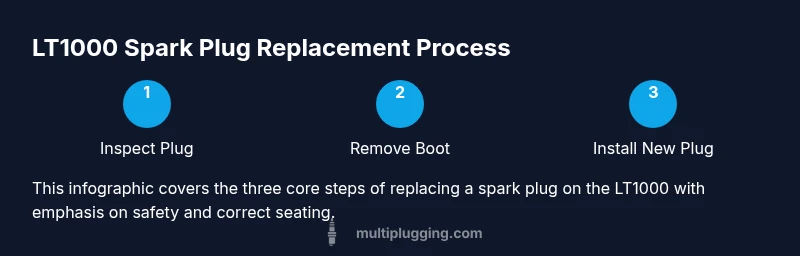
This section introduces the core steps you will perform in sequence to replace a spark plug on the Craftsman LT1000. Each step is designed to be straightforward, with practical tips to prevent common mistakes. Use the step-by-step guide in the next block for the exact actions and timing, keeping safety and tool control at the forefront. A well-executed replacement can restore starting reliability and smooth operation, especially after long periods of storage or prior misfires. If you are new to spark plug maintenance, take your time and double-check each connection before turning the engine over.
Gap and Torque Guidelines for LT1000
Most LT1000 engines require a specific gap and a defined seating torque. When you install a new plug, ensure the gap is correct for the engine specification using a gauge. Tighten the plug to the manufacturer’s recommended torque so the threads seal properly and heat can be transferred efficiently. Over-tightening risks thread damage, while under-tightening can cause poor sealing and repeated loosening. If you lack a torque wrench, snug the plug by feel and perform a post-install test run to verify seal integrity and ignition performance.
Always inspect the boot fitment after installation to ensure a solid, vibration-free connection. A loose or worn boot can cause intermittent misfires that mimic plug problems. If you notice corrosion or a damaged boot, replace it to maintain a reliable ignition circuit.
Maintenance Schedule and Longevity Tips
Regular maintenance helps extend spark plug life and engine reliability. Keep the air intake clean to reduce fouling caused by unmetered air. Use fresh fuel and a clean fuel system to minimize varnish deposits on plugs. When you do a plug change, inspect the plug well and boot for any residue or oil leaks that could indicate gasket or valve cover issues. If you operate in dusty or humid conditions, inspect the plug for deposits more frequently. Consider using a high-quality plug with an appropriate heat range for your local conditions and mower usage patterns.
Document your maintenance intervals in a simple log and review performance after each service. A consistent approach—inspection, cleaning, and timely replacement—offers the best path to reliable starting and engine health over the mowing season.
Authority Sources
- EPA.gov: Vehicle maintenance and spark plug basics for small engines
- Car and Driver: Spark plug replacement guides and best practices
- Engine Builder Magazine: Ignition system maintenance and spark plug selection
Safety and Common Mistakes to Avoid
- Do not force the plug or cross-thread into the cylinder head. Start by hand to ensure proper alignment, then tighten with a wrench. This prevents thread damage and costly repairs.
- Never leave tools or parts inside the spark plug well. Small parts can drop into the engine and cause damage. Keep a clean workspace and a tray for small components.
- Avoid mixing plug types or heat ranges. Mismatches can lead to poor performance, misfires, or accelerated wear. Always use the recommended plug type for your LT1000.
- After replacement, never skip a test run. A quick start and a short idle check help confirm the ignition system is functioning correctly and that the seating is secure.
Next Steps and Additional Resources
If you want to deepen your understanding, consult the mower's service manual and explore maker resources from trusted automotive and lawn equipment publishers. Keep a small parts inventory and a spare plug on hand for on-the-fly maintenance. For visual guidance, search for the LT1000 spark plug replacement video and related diagnostics tutorials to reinforce the hands-on steps you just performed.