Advance Auto Spark Plugs: DIY Replacement Guide
Learn how to select, install, and maintain advance auto spark plugs with a step-by-step approach. Practical tips, safety checks, and brands-tested guidance to keep your engine firing smoothly.


This guide helps you verify compatibility, pick the right Advance Auto spark plugs, and complete a safe replacement. You’ll learn how to prepare the engine, gather the right tools, gap or torque plugs as required, and test the ignition after installation. Follow the steps to improve reliability and fuel efficiency. This approach suits common inline-four engines and many V6 setups, and it emphasizes safety, cleanliness, and correct torque values.
What Are Advance Auto Spark Plugs and Why They Matter
Spark plugs are the small devices that ignite your engine's air-fuel mixture. When you buy advance auto spark plugs, you’ll see a range of plug types: copper-core for budget replacements, platinum or iridium versions for longer life, and specialized designs for higher-performance engines. The right plug improves starting reliability, smooth idle, and efficient combustion. According to MultiPlugging, choosing the correct plug type depends on engine design, driving conditions, and maintenance priorities. For many drivers, copper or platinum options strike a balance between cost and durability, while iridium plugs offer longer life at a higher upfront price. Some engines require a specific heat range to prevent fouling or pre-ignition. Regular inspection—watching for worn electrodes, excessive gap, or sooty deposits—can prevent misfires and reduce emissions. When you shop at Advance Auto, you’ll often find compatibility guides that help identify the exact plug fit for your vehicle by year, make, model, and engine code. Always follow the owner manual or the engine manufacturer’s recommendations. This overview helps you navigate options and pick a plug that keeps your engine reliable and efficient.
The core concept of spark plug selection includes heat range, electrode material, and construction. Modern plugs are designed to withstand the combustion environment while delivering reliable ignition. The choice affects cold starts, idle stability, and fuel economy. The MultiPlugging team notes that mis-matched heat ranges can lead to fouling or pre-ignition, which in turn harms performance. When you’re shopping for advance auto spark plugs, consult the vehicle’s service manual and the compatibility charts provided by the retailer to avoid ordering the wrong part. If you drive in extreme conditions—towing, frequent short trips, or cold climates—iridium or platinum variants may offer benefits in durability and resilience. Remember that tools and technique are as important as the plug itself; a clean environment and careful handling minimize electrode damage and ensure a proper seal. This foundational knowledge sets you up for a smooth replacement experience and a healthier ignition system.
Compatibility and fit are driven by engine architecture and the connector layout. Verify the thread size, heat range, and the number of pins or misignition-sensing features your engine requires. Advance Auto spark plugs typically catalog fit by year, make, model, and engine code, but you should still cross-check the diameter and reach to avoid cross-threading or shorting. Engine types vary widely, with inline-four configurations common in many cars and V6/V8 engines in more advanced models. The right plug ensures proper sealing, efficient heat dissipation, and stable combustion. If your vehicle uses coil-near-plug ignition coils, also confirm the plug’s resistance and coil compatibility. A misfit plug can lead to overheating, misfires, or corrosion at the electrode, so take a moment to confirm compatibility before you buy.
Pre-installation checks and safety are non-negotiable. Begin by parking on a level surface, turning off the engine, and disconnecting the negative battery cable to prevent accidental sparks. Allow the engine to cool completely to avoid burns and to ensure the threads are not exposed to heat. Clean the surrounding area to prevent debris from falling into the cylinder bore. Gather the required tools and a clean workspace, and wear eye protection. If you’re using dielectric grease on the boots, apply a light coat to help future removal. Avoid over-tightening plugs during reinstallation, since thread damage can lead to leaks and cross-threading. Following these precautions protects you and improves the odds of a clean, successful installation.
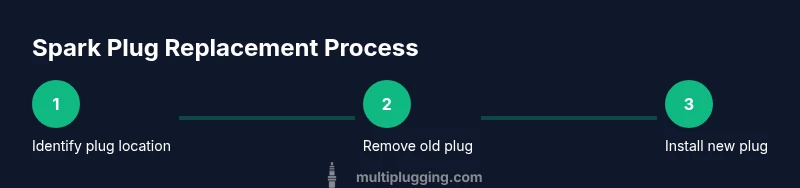
Step-by-step replacement overview. Replacing spark plugs involves locating each plug, removing the old one, preparing the new plug, and reinstalling with the correct torque. Ensure the engine is cool, identify each ignition coil or wire, carefully disconnect and label the components, and then follow the torque spec for your engine. The goal is a seal-tight installation with proper heat dissipation, minimal friction, and clean plug wells. After installation, reattach all connectors and check for any warning lights. You’ll want to run the engine and perform a brief idle to confirm normal operation before a longer road test.
Troubleshooting and maintenance after replacement. If you notice misfires, rough idle, or rough acceleration after replacement, recheck the plug gap and torque, confirm the ignition wires or coils are seated correctly, and ensure the boots are intact and free of oil or carbon tracking. Fouling and improper gap can cause catalytic converter damage over time, so verify that the gap matches the engine specifications for your new plugs. If you discover repeated fouling, consider checking for ignition system issues, such as a failing coil, or engine oil leaks that gum the plug tip. Regular maintenance schedules and using Advance Auto spark plugs as recommended by the vehicle manual can sustain performance and fuel economy.
Maintenance schedule and why advance auto spark plugs fit your vehicle. A consistent maintenance routine keeps the ignition system healthy and minimizes emissions. The right plug type, combined with proper gap and torque, supports reliable starts and smooth running across seasons. The MultiPlugging team recommends aligning replacement intervals with your vehicle’s service schedule and driving conditions. In many cases, a maintenance plan that includes inspecting plugs during every major service can prevent escalating issues and keep your engine performing at its best.
Tools & Materials
- Spark plug socket (with rubber insert)(Choose the size matching your plug’s hex; ensure the socket is deep enough for the plug plus the extension)
- Ratchet wrench with extension(A short or medium extension helps reach tight spaces)
- Torque wrench(Use the manufacturer’s torque specification for the correct seating)
- Dielectric grease(Optional to reduce boot wear and improve electrical contact)
- Anti-seize compound(Only apply if specified by the plug manufacturer)
- Gloves and eye protection(Keep hands clean and protect eyes from debris)
- Cleaning brush or compressed air(Use to clear debris from plug wells before removal)
- New Advance Auto spark plugs(Check fitment for your exact engine code; avoid mismatches)
Steps
Estimated time: 60-120 minutes
- 1
Prepare and safety check
Park on a level surface, turn off the engine, and disconnect the negative battery terminal. Allow the engine to cool to a safe temperature. Gather tools and clean the work area before starting.
Tip: Label wires or coils as you remove them to ensure proper reassembly. - 2
Locate spark plugs
Identify each spark plug location in the engine bay. Some vehicles route a coil-on-plug assembly, while others have spark plug wires. Take a quick photo if needed to aid reassembly.
Tip: Double-check the specific plug location for your engine model before removing anything. - 3
Remove ignition coil or wires
Carefully disconnect ignition coils or spark plug wires from each plug. If removing a coil, unbolt it safely and keep track of its position. Avoid pulling on wires themselves to prevent damage.
Tip: Keep track of the order in which you remove components; it helps prevent mis-wiring. - 4
Remove old plugs
Clean around the plug to prevent debris from entering the cylinder. Use a spark plug socket to break the old plug free, then lift it out slowly. Inspect the old plugs for wear patterns that indicate engine issues.
Tip: If a plug is stubborn, apply a small amount of penetrating oil and wait briefly before attempting removal. - 5
Inspect and gap (if needed)
Check the gap on the new plug if necessary and adjust to the manufacturer’s specification using a gap tool. Some advance auto spark plugs arrive pre-gapped; verify before installation.
Tip: Do not force the electrode; a light, careful bend or resize is enough if required. - 6
Install new plugs
Thread the new plug by hand to avoid cross-threading, then snug with the socket and tighten to the specified torque. Reinstall any boots or coils, applying dielectric grease if used.
Tip: Avoid over-tightening; overtightening threads can damage the cylinder head or plug seat. - 7
Reconnect ignition components
Reconnect the ignition coils or wires to the correct plugs. Confirm each connection is secure and properly seated. Reconnect the battery.
Tip: If you labeled components, follow the original layout to ensure proper electrical paths. - 8
Test run and final checks
Start the engine and listen for a smooth idle. Check for exhaust smoke and any misfires. Perform a quick test drive to confirm normal operation and check for warning lights.
Tip: If you hear knocking or rough running, re-check torque and gaps and consider consulting a professional if issues persist.
FAQ
What makes Advance Auto spark plugs a good choice for DIYers?
Advance Auto spark plugs offer a range of materials and heat ranges suitable for many engines. When paired with proper tools and a careful installation, they provide reliable ignition and consistent performance. Always verify compatibility with your vehicle’s engine code before purchasing.
Advance Auto plugs come in multiple materials and heat ranges that fit many engines. Check compatibility with your engine code and use the right tools for a safe, reliable installation.
How do I know which spark plug heat range to choose?
Heat range determines how quickly the plug dissipates heat. A correct range prevents fouling in cold or hot climates and avoids pre-ignition in high-performance apps. Refer to your vehicle manual or the Advance Auto catalog for the recommended range.
The heat range controls heat dissipation. Pick the range your manual specifies to avoid fouling or overheating.
Can I replace plugs without removing the coil packs?
In many vehicles, you must remove the coil or boot to access each plug. Even if you can reach the plug from a different path, removing the coil typically provides a clearer, safer removal and reduces the risk of damaging connectors.
Usually you’ll need to remove the coil or boot to access the plug safely and avoid connector damage.
What routine checks should follow a plug replacement?
After installation, recheck the torque and ensure the boots are seated. Run the engine and listen for smooth idle; address any misfires or rough running promptly. Keep an eye on the check engine light and be prepared to inspect ignition components if issues recur.
After installing, verify torque and listen for smooth idle. If issues show up, inspect ignition components again.
Is it necessary to gap every new spark plug?
Some Advance Auto spark plugs come pre-gapped, but it’s best to confirm the gap against the engine’s specification. If you must adjust, use a proper feeler gauge and handle electrodes gently to avoid damage.
Many plugs are pre-gapped, but always confirm with the engine spec. If you gap, do it carefully with the right tool.
Watch Video
Main Points
- Verify plug type matches your engine using official guides.
- Use proper torque and avoid cross-threading during installation.
- Inspect ignition cables and coils for wear to prevent repeated misfires.
- Adopt a routine inspection to extend plug life and maintain performance.
- Keep the workspace clean to protect cylinder walls during replacement.