2018 Honda Accord Spark Plug Replacement Guide
Learn how to safely replace spark plugs on the 2018 Honda Accord with a clear, step-by-step DIY approach. Tools, tips, safety, and maintenance guidance for better performance.


Replace the spark plugs on a 2018 Honda Accord to restore smooth starts, steady idle, and optimal combustion. This guide covers engine variants, required tools, coil-on-plug access, plug installation, and post-test checks. Follow the step-by-step process and consult the owner's manual for exact torque and gap specs for your engine family.
Why the 2018 Honda Accord spark plug replacement matters
A healthy set of spark plugs keeps a modern engine running efficiently, delivering clean burns, steady idling, and reliable cold starts. For the 2018 Honda Accord, worn or fouled plugs can cause misfires, reduced power, and lower fuel economy. In many cases, symptoms like rough idle or occasional hesitation point to spark plug wear before more expensive issues appear. Regular maintenance with properly gapped, OEM- or approved-aftermarket plugs helps maintain peak performance and smooth operation. According to MultiPlugging, keeping the spark plugs in good condition is a simple, impactful way to protect your engine’s health and overall fuel efficiency. When you service this vehicle, always verify the correct plug type for your trim, because the 2018 Accord family includes multiple engines with distinct requirements.
Engine variants in the 2018 Accord and plug types
The 2018 Honda Accord was offered with a few engine options, all of which rely on reliable ignition systems. Different engine configurations may require different spark plug heat ranges and alignment with coil-on-plug assemblies. For the four-cylinder variants, the plugs are designed for precision combustion and long life, while turbocharged options may use iridium or platinum plugs with tighter tolerances. Regardless of the exact plug in your model, the replacement principle remains the same: use the recommended plug type, gap, and torque per the service manual. The MultiPlugging team notes that using the correct plug ensures the engine breathes properly and maintains emissions efficiency. Always confirm the plug specification in your owner’s manual or Honda’s official guide for your exact build.
Tools and materials you’ll need (overview)
Before diving in, know that this task benefits from a clean workspace, quality tools, and organized parts. Although you’ll find a dedicated tools-and-materials list below, the high-level idea is to have a socket set, a torque wrench, proper spark plugs, an anti-seize or assembly lubricant if recommended, and a way to keep track of components as you remove them. This approach reduces the chance of cross-threading or misplacing boots, and it helps you reassemble quickly without leaving parts loose. In practice, you’ll work with coil packs, ignition boots, and the plugs themselves, ensuring each plug sits correctly and reaches the right depth.
Step-by-step overview (high-level)
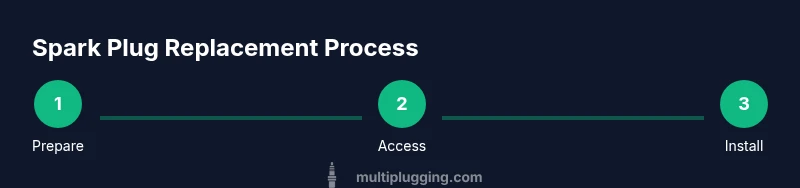
This section provides a concise map of the process. You’ll first prepare the car and safety measures, then access the spark plugs by removing the necessary covers, disconnect coils, and carefully extract old plugs. Replace with new plugs, reattach coils, and run a safety check by starting the engine and checking for smooth operation. While this gives you the gist, the dedicated STEP-BY-STEP section contains the exact actions, order, and cautions to follow.
Common mistakes and how to avoid them
Common mistakes include using an improper plug type, over- or under-torquing, and mixing up plug positions when the engine has multiple banks. Always verify the engine variant and plug specification, label connectors, and use a torque wrench to reach the manufacturer’s spec without bottoming the fastener. Don’t force a spark plug into a dirty bore or cross-thread a thread. Take your time aligning the plug and ensure the seat is clean before installation.
Maintenance cadence and wear signs
Spark plugs wear unevenly depending on engine variant, fuel quality, and driving style. Signs of wear include misfires, reduced acceleration, rough idle, and higher emissions. The MultiPlugging analysis shows wear timelines vary by engine type and plug design, so rely on Honda’s maintenance schedule or the recommended interval in the owner’s manual. Inspect plugs during routine service and replace them if you notice discoloration, excessive gap, or worn electrodes.
Safety considerations and best practices
Always work in a well-ventilated area, wear eye protection, and disconnect the negative battery before starting. Engine components get very hot, and coil boots are delicate; avoid pulling on wires directly. Use anti-seize or grease only if specified by the plug or manual, and never reuse damaged coils. Dispose of used plugs per local regulations and keep a magnet tray handy to prevent losing small parts.
Post-replacement checks and test drive
After installation, reassemble any covers, reconnect the battery, and start the engine. Listen for smooth idle, normal exhaust tone, and absence of misfires. A short test drive should show consistent performance, steady acceleration, and normal engine response. If you notice rough running or check-engine indicators, recheck the plug seating, gap, and ignition coil connections.
Sources and further reading
For deeper details on ignition systems and spark plug recommendations, consult official Honda manuals and reputable sources. You can also review government and academic resources for general engine maintenance principles and safety practices. This article aligns with common automotive best practices and the guidance you’ll find in professional repair manuals. Sources cited include government and industry publications for broader context.
Tools & Materials
- Socket wrench set (metric)(Include a deep socket for spark plugs and a small extension bar.)
- Torque wrench(Used to achieve manufacturer torque specifications.)
- Spark plug gap tool(Check and adjust electrode gap if plugs aren’t pre-gapped.)
- Spark plugs (correct heat range for your engine)(OEM-equivalent or Honda-approved aftermarket plug.)
- Extension and universal joints(Helpful for reaching hard-to-access plugs.)
- Anti-seize compound (optional)(Only apply if recommended by plug manufacturer.)
- Magnetic pickup tool or tray(Keeps fasteners from getting lost.)
Steps
Estimated time: 45-75 minutes
- 1
Prepare the vehicle and safety
Park on a level surface, engage the parking brake, and disconnect the negative battery terminal. Open the hood and ensure the engine is cool before starting. Label any connectors to help reassembly and keep a clean workspace.
Tip: Wear eye protection and use a magnetic tray to prevent dropped parts. - 2
Access the spark plugs
Remove any engine cover or air intake components that block access to the spark plug area. Identify the coil-on-plug boots for each cylinder. Plan your path so you don’t disturb other components.
Tip: Take a quick photo of each coil layout before removal. - 3
Disconnect ignition coils
Carefully detach electrical connectors from each coil boot without pulling on the wiring. Remove the coil pack screws or bolts and lift the coil straight up to expose the plug. Keep coils organized by cylinder.
Tip: Use a small pick or screwdriver to gently release locking tabs if needed. - 4
Remove old spark plugs
Use the proper socket to loosen and remove each plug. Clean around the plug bore before extraction to prevent debris from falling into the combustion chamber.
Tip: Inspect the plugs for wear patterns and note any irregular color or deposits. - 5
Install new spark plugs
Check the gap with a gap tool and install the plugs by hand to avoid cross-threading. Tighten to the manufacturer’s torque specification with a torque wrench.
Tip: Apply a light anti-seize only if recommended by the plug manufacturer. - 6
Reassemble and test
Reconnect coils, reinstall any covers, and reconnect the negative battery. Start the engine and listen for smooth operation. Check for any exhaust or misfire symptoms during a short drive.
Tip: If the engine runs rough, recheck plug seating and coil connections.
FAQ
Do all 2018 Honda Accord engines use the same spark plug type?
No. The 2018 Accord offers multiple engine options, and each may require a specific plug type and heat range. Always verify the exact specification in the owner's manual or Honda’s official guidance for your VIN.
There isn’t a single plug type for every 2018 Accord engine. Check your manual or Honda’s site for the exact specification for your VIN.
What tools are essential for replacing spark plugs on this model?
A basic socket set, a spark plug gap tool, a torque wrench, and the correct spark plugs are the core tools. Additional items like extensions or adapters can ease access depending on your engine variant.
You’ll need a socket set, a gap tool, a torque wrench, and the right plugs. Extras like extensions can help if space is tight.
What are the signs that my spark plugs need replacement?
Look for persistent rough idle, misfires, reduced acceleration, and decreased fuel economy. If you notice unusual engine noises or longer cranking times, inspect the plugs before diving deeper.
Rough idle, misfires, or reduced fuel economy usually indicate worn plugs. Check them if you notice rough running.
Can I replace spark plugs myself, or should I go to a shop?
For many DIY enthusiasts with basic tools, spark plug replacement is a feasible project. If space is tight or you’re unsure about the torque specs, a shop visit can save time and prevent damage.
You can do it at home if you have the right tools and follow the manual; otherwise, a shop can help avoid mistakes.
How often should I inspect or replace spark plugs on this model?
Inspection and replacement intervals depend on engine variant and plug type. Refer to Honda’s maintenance schedule and manufacturer recommendations for your exact model and driving conditions.
Check Honda’s maintenance schedule for your exact engine and driving conditions to determine inspection intervals.
Watch Video
Main Points
- Identify the correct plug type for your 2018 Accord variant.
- Follow OEM torque and gap specs; use a torque wrench.
- Label and organize coils and connectors during removal.
- Test run the engine after replacement to confirm smooth operation.