Spark Plug Gap Gauge: A DIY Guide to Accurate Gap Measurement
Learn to use a spark plug gap gauge to measure and set plug gaps with confidence. A practical, step-by-step guide for car owners and DIY enthusiasts.


Using a spark plug gap gauge ensures you measure and set the electrode gap on spark plugs accurately, supporting reliable ignition and engine performance. The gauge lets DIYers verify the gap before installation and can help prevent misfires, fouling, and inefficient combustion by aligning with the engine’s specs. Regular use is a key part of basic maintenance.
What is a spark plug gap gauge and why you need it
The spark plug gap gauge is a simple, essential tool for any DIY mechanic. At its core, this gauge helps you measure the tiny distance between the center electrode and the ground electrode on a spark plug. Getting this gap right is crucial for proper ignition, efficient combustion, and smooth engine operation. Without a reliable gauge, measurements can be off by a hair, which can lead to misfires, reduced fuel efficiency, or hard starting. By using a spark plug gap gauge, you establish a repeatable method for checking gaps across a range of plugs and engines, keeping your maintenance routine consistent and dependable. This tool is compact, easy to use, and compatible with most spark plug styles, making it a staple in any DIY toolbox.
How to read a spark plug gap gauge
A spark plug gap gauge usually consists of a set of thin blades or a dial/digital readout that represents gap sizes. When you insert a blade into the gap, you’re testing whether the gap matches a specific thickness. If the blade fits just snugly, the gap is close to the target. If the blade feels loose or won’t fit, the gap is too large or too small. Read the reading at the edge of the blade or the display, then compare against your engine’s recommended specification. Remember to account for unit differences (inches vs millimeters) and to measure at room temperature to avoid expansion effects.
Choosing the right gauge for your engine
Gauge options vary from simple feeler blade sets to more precise digital gap tools. Feeler gauge blades are affordable and versatile, offering a wide range of fixed thickness options. Dial and digital gauges provide quick, numeric readings and are easier for quick checks, especially when you’re comparing multiple plugs. For most DIY scenarios, a basic feeler gauge set paired with a reference chart or the engine’s service manual is sufficient. If you work on high-performance engines or mixed plug styles, investing in a higher-precision gauge can save time and reduce guesswork.
Step-by-step: measuring a spark plug gap (narrative)
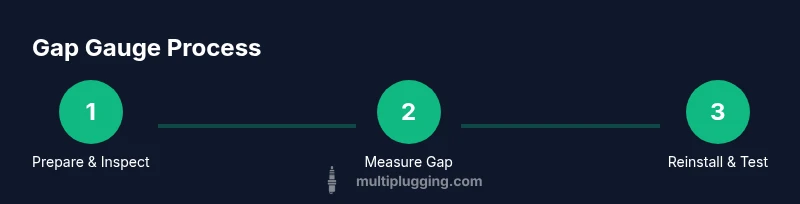
Before you begin, ensure you’re in a well-lit area and that the vehicle is off and cool. Gather your tools, then remove the spark plug from the cylinder you’re servicing. Clean around the plug to prevent dirt from entering the chamber. Inspect the plug for wear, carbon buildup, or damage, and set the gap gauge nearby. Hold the gauge steady and compare the gauge blade thickness to the gap—the reading should align with the engine’s recommended specification. If the gap is off, adjust carefully by bending the ground electrode a tiny amount, then recheck with the gauge. Reinstall the plug with the correct torque and re-check the gap after seating.
Common mistakes and how to avoid them
Common errors include using an inaccurate gauge, misreading blade thickness, or forcing the blade into a tight gap. Always double-check the unit of measurement and verify the reading against the manufacturer’s spec. Never bend the electrode too aggressively—small adjustments are safer and more reliable. Clean the plug threads and seating area before reinstallation to prevent cross-threading or poor seating, and torque to the recommended specification using a torque wrench.
Alternative tools and when to use them
For quick checks, a dial or digital gap gauge can speed up the process, especially when you’re testing multiple plugs. A feeler blade set, however, remains the most versatile option for hobbyists and those on a budget. If you work on varied engines, consider having both types on hand and always cross-check with the engine’s service specs. Remember that some spark plug designs may have different gap ranges, so tailor your tool choice to the plug type.
Maintenance and storage of your gap gauge
Keep your gap gauge clean and dry after use to prevent corrosion or grime from affecting readings. Store blades in a protective case to avoid bending or pinching, and periodically calibrate digital gauges if your model offers a calibration feature. Treat the gauge as a precision instrument—even minor damage can lead to inaccurate gaps and costly mistakes later.
Interpreting readings in context
Gap readings are not universal; they depend on engine type, spark plug design, and operating conditions. If you’re unsure, consult the vehicle’s owner manual or service guide. When in doubt, aim to align readings with the specified gap for the exact plug and cylinder. After adjusting, it’s prudent to re-check the plug once more to confirm stability before final installation.
A quick test: re-check after installation
After reinstalling the plug, gently re-check the gap with the gauge to ensure no movement occurred during seating. If the gauge reads differently, re-seat the plug and re-torque as needed. This extra verification step helps prevent ignition problems and can save time on the road.
Tools & Materials
- Spark plug gap gauge(Feeler blades or digital gauge; ensure it covers your engine’s gap range)
- Spark plug socket wrench with extension(For safe removal and installation of plugs)
- Torque wrench(Use the manufacturer’s recommended torque; avoid over-tightening)
- Rags or brushes(Clean the plug seat and threads before reinstall)
- Safety glasses(Protect eyes from debris and cleanings)
- Anti-seize lubricant (optional, per manufacturer)(Use only if recommended by the engine’s manufacturer)
- Owner’s manual or engine spec sheet(Consult for exact gap specification and torque values)
Steps
Estimated time: 30-50 minutes
- 1
Power down and cool the engine
Turn off the ignition and allow the engine to cool before touching spark plugs or components. This reduces the risk of burns and avoids warping the plug seat.
Tip: Waiting 10–15 minutes often suffices; never work on a hot engine. - 2
Locate and access the spark plugs
Open the hood and locate the spark plug wires or coils. If necessary, remove covers to gain access to the spark plugs you’ll service.
Tip: Label or photograph wiring to make reassembly easier. - 3
Gather tools and prepare the gap gauge
Assemble your gap gauge, socket wrench, torque wrench, and cleaning supplies. Check that the gauge covers the range you expect to measure.
Tip: Have a clear workspace and good lighting for accurate readings. - 4
Remove the spark plug
Carefully loosen and remove the spark plug with a proper socket. Inspect the plug for wear, carbon buildup, or damage.
Tip: If the plug is stuck, avoid forcing it to prevent thread damage. - 5
Clean around the plug threads
Wipe away dirt from the plug seat and threads to prevent debris from contaminating the combustion chamber.
Tip: A small brush or rag works well; never blow debris with compressed air into the cylinder. - 6
Measure the gap with the gauge
Insert the gauge blade into the gap and compare with the target size. Use a light, perpendicular insertion to avoid bending the electrodes.
Tip: If the gauge doesn’t fit, the plug may be out of spec or damaged. - 7
Adjust the gap if needed
If adjustment is required, bend the ground electrode very slightly and retest with the gauge. Avoid excessive bending.
Tip: Small adjustments yield reliable results; larger bends reduce spark reliability. - 8
Reinstall and torque the plug
Reinstall the spark plug and tighten to the manufacturer’s recommended torque using a torque wrench.
Tip: Stretched or cross-threaded plugs can cause leaks and performance issues. - 9
Re-check the gap after seating
Once seated, re-check the gap to confirm it hasn’t shifted during tightening.
Tip: If the gap changes, re-adjust gently and verify again before running the engine.
FAQ
What is a spark plug gap gauge and what does it do?
A spark plug gap gauge is a tool used to measure the distance between the spark plug’s electrodes. It helps ensure the gap matches the engine’s specification, which is crucial for reliable ignition and optimal performance.
A spark plug gap gauge measures electrode distance to help you set the correct gap for reliable ignition.
How do I know which gauge to use for my plug?
Choose a gauge set that covers the expected range for your plugs and engine. Opt for blades or a digital gauge that provides precise Readings. Always cross-check with the manufacturer spec.
Pick a gauge that covers your plug’s expected gap range and read it accurately.
Can I use a digital caliper instead of a plug gap gauge?
A digital caliper can measure the gap, but a dedicated plug gap gauge is typically easier and faster for frequent checks. Calipers are accurate but require careful alignment.
A digital caliper can work, but a dedicated gap gauge is usually easier and quicker.
Why did my engine misfire after I checked the gap?
A misfire can result from an incorrect gap, damaged electrode during adjustment, or improper installation. Re-check the gap, ensure proper seating, and verify other ignition components.
Misfires after checking the gap can mean the plug was damaged or not reinstalled correctly; double-check the gap and seating.
Should I replace every plug if I adjust one gap?
Not necessarily. If all plugs are in good condition and the gap matches manufacturer specs, you can continue. If any plug shows wear or damage, replace it and consider a full set replacement as preventive maintenance.
Only replace if you see wear or damage; otherwise, matching gaps and good condition may be enough.
How often should I check spark plug gaps?
Check gaps as part of regular maintenance, especially if you notice rough idle, misfires, or reduced fuel efficiency. Refer to your vehicle’s service schedule and plug type.
Check gaps during routine maintenance, especially if you notice performance issues.
Watch Video
Main Points
- Use a spark plug gap gauge for consistent measurements
- Read the gauge against engine specifications before installation
- Tighten plugs to spec with a torque wrench
- Re-check the gap after seating the plug
- Maintain and store gauges properly for longevity