How to Use a Spark Plug Gap Tool: Step-by-Step Guide
Learn to use a spark plug gap tool to measure and adjust electrode gaps. This educational guide covers safety, determining the correct gap, precise measuring techniques, and best practices for DIY spark plug maintenance.


This guide shows you how to use a spark plug gap tool to correctly set the electrode gap. You’ll verify the gap against your vehicle’s specification, measure with the tool and feeler gauges, and adjust safely before reinstalling the plug. Follow the steps below to ensure reliable starts, clean combustion, and steady engine performance.
Understanding the gap tool and why it matters
Precision in spark plug gaps matters for reliable starts, smooth idling, optimal fuel efficiency, and reduced emissions. According to MultiPlugging, the gap between the center electrode and the ground electrode is a tiny distance, but it has an outsized impact on combustion. The MultiPlugging team found that many DIY enthusiasts skip checking gaps or use improvised methods that yield inconsistent results. A gap tool provides a repeatable, safe way to measure this small distance and to adjust it with real accuracy. In this section, we will explain what a gap tool is, the main styles you'll encounter in common shops and home garages, and why accuracy matters for both older carbureted engines and modern fuel-injected systems. Understanding how to use a gap tool sets the foundation for clean starts, good idle quality, and consistent performance across replacement plugs. Keep reading to learn how to pick a tool, how to read measurements, and how to avoid common missteps.
How a gap tool works
A spark plug gap tool is a precise instrument designed to measure the distance between the center electrode and the ground electrode. There are several common styles you’ll encounter:
- Coin-style feeler gauges: A set of thin metal blades of known thickness used to compare gaps.
- Dial-type gap tools: A ruler-like gauge with a rotating dial that shows the gap in either inches or millimeters.
- Adjustable feeler gauges: A continuous strip with a sliding stop that lets you pin down multiple gap values quickly.
Most tools are labeled in standard units (inches or millimeters). Regardless of style, the goal is the same: you verify the gap with a reference value and adjust until the measurement matches the target. The reason this precision matters is that too-wide gaps can cause misfires, while gaps that are too narrow can impede ignition and reduce efficiency. When you use a gap tool consistently, you create repeatable results across multiple plugs and engines.
Safety first: preparing to adjust gaps
Before you touch any plug, prioritize safety. Work on a cool engine and disconnect the negative terminal of the battery if you’re planning more extensive work. Wear protective gloves and safety glasses to guard against sharp metal edges and accidental chemical exposure. Clear the workspace of oil, grease, and debris that could contaminate connections or slip tools. Keep rags handy to wipe threads and contact points clean. Never use power tools near live electrical components; a slight spark could ignite vapors. If you’re unsure about a plug’s condition, inspect it for fouling, cracks, or damage and replace it rather than attempting a risky repair.
Determining the correct gap for your plug
Gap specifications vary by engine and plug type. Always start by locating the recommended gap in your vehicle’s owner manual or on the plug packaging. If you don’t have access to the manual, consult the manufacturer’s website or a reputable parts retailer for your exact model and plug type. Do not rely on generic figures. Once you have the target gap, confirm whether your gap tool reads in inches or millimeters and plan your measurement approach accordingly. Remember that some brands design plugs with slightly different geometry; the goal is to reproduce the intended gap on each plug to maintain consistent ignition characteristics across all cylinders.
Measuring with the gap tool: step-by-step check
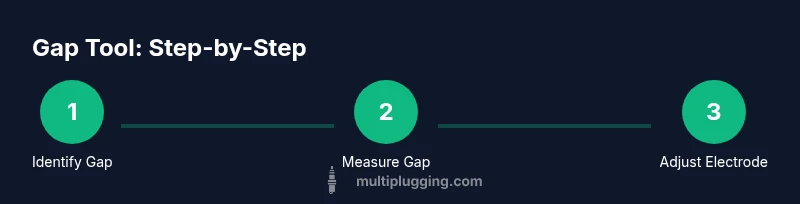
To measure the gap, remove the spark plug from its cylinder if you are performing a dedicated gap check or replace with care after measurement. Clean the gap area to prevent dirt from skewing readings. Hold the plug so that you can see the gap clearly, then insert the appropriate gap blade from your tool or the feeler gauge subset. Gently slide the blade or blade set into the gap and compare the thickness to the target. If the blade fits snugly with slight resistance, your gap is close to target; if it’s loose, the gap is too wide; if it won’t fit, it’s too narrow. Recheck with multiple gauges if needed to verify consistency. Always read both the tool’s value and the equivalent standard unit if you switch between metric and imperial.
Adjusting the gap safely
If the gap is too wide, you may need to slightly bend the ground electrode or use a narrower feeler gauge to re-establish the correct spacing. If the gap is too narrow, use a slightly wider blade or adjust the electrode carefully by removing a small amount of material with controlled pressure. In all cases, re-check after each minor adjustment. Avoid forcing the electrode into a position that could crack the ceramic insulator or misalign the electrode. After achieving the target, re-measure for confirmation. When possible, use the same tool for all plugs to ensure consistency.
Common mistakes and how to avoid them
Common pitfalls include using the wrong gauge, measuring with dirty or damaged plugs, and applying excessive force to bend electrodes. Avoid using improvised tools that lack precision, and refrain from making large, rapid adjustments. Always verify the plug is clean and free of oil or carbon buildup that could skew readings. Do not neglect the thread area; a plug seated improperly can alter the effective gap once installed. If the gap tool reads inconsistently across plugs, calibrate or replace the tool to ensure trust in your measurements.
Reinstalling and verifying the final gap
After adjusting, reinstall the plug with a clean gasket and thread lubricant as recommended by the manufacturer. Hand-tighten first to avoid cross-threading, then snug with a wrench to the recommended torque. Recheck the gap visually and with the tool to confirm no drift occurred during handling. Reconnect the ignition coil boot or wire, ensuring a secure fit. Finally, perform a quick engine test to confirm smooth starts and stable idle. If the engine misfires or runs rough after installation, re-check the gaps or consider replacing the plugs.
Maintenance and proper storage of gap tools
Keep gap tools clean and dry after use to prevent corrosion that can alter readings. Store them in a dedicated case or pouch to avoid bending or dulling blades. Periodically verify the accuracy of your gauges against a known reference or a calibrated tool, especially if you perform frequent maintenance. Replace worn or damaged tools promptly to prevent inaccurate measurements. Regular maintenance of your toolkit ensures consistent results across future spark plug replacements.
Troubleshooting and when to replace your gap tool
If you notice erratic readings or inconsistent gaps across plugs, first clean and recalibrate the tool if possible. If readings remain unreliable, replace the gap tool. A faulty tool can lead to misfires and poor engine performance. When performing critical maintenance, consider cross-checking with a trusted professional or using a second, known-good gauge as a reference. Regularly inspect the gap tool for bent blades, loose parts, or corrosion, and replace any damaged components immediately.
Tools & Materials
- Spark plug gap tool(Precise tool with blades, wheels, or a dial to measure electrode gap)
- Feeler gauge set(Range should cover common plug gaps; select appropriate thicknesses)
- Caliper or digital micrometer(For measuring overall gap distance and tool accuracy)
- Spark plug socket wrench(Safe removal and installation of plugs)
- Rags or lint-free cloth(Keep contact points clean and avoid debris)
- Safety gear (gloves, eye protection)(Protect hands and eyes from sharp edges and chemicals)
- Owner's manual or plug specification sheet(Helpful for locating the exact gap specification)
Steps
Estimated time: 15-25 minutes
- 1
Gather tools and prepare workspace
Collect your gap tool, feeler gauges, calipers, plug socket, and cleaning supplies. Clear the workspace, ensure the engine is cool, and set adequate lighting. A clean area reduces misreads caused by debris and improves safety.
Tip: Lay out tools in order of use to streamline the process. - 2
Disconnect power and access the plug
If working on a live system, disconnect the negative battery terminal to prevent accidental shocks. Remove any panels or components obstructing access to the spark plug you’re testing.
Tip: Keep track of disconnected parts to avoid losing small components. - 3
Remove the spark plug
Using the spark plug socket, carefully loosen and remove the plug from the cylinder head. Avoid twisting the plug when it’s near the threads to minimize damage and thread seizing.
Tip: Hold the plug by the base to minimize contact with the ceramic insulator. - 4
Inspect and clean the plug
Check for fouling, oil, or carbon buildup. Wipe the threads clean with a rag and inspect the gasket seat. This helps ensure a proper seal and accurate gap readings when reinstalling.
Tip: If the plug is damaged, replace it rather than attempting a repair. - 5
Measure the gap
Hold the gap tool or feeler gauge to the plug’s gap and compare with the target. Repeat with multiple gauges if needed to confirm consistency. Record the measurement for reference.
Tip: Ensure the tool is perpendicular to the gap to prevent reading distortion. - 6
Adjust the gap
If the gap is off, carefully bend the ground electrode or use a slightly different gauge to adjust. Make small, incremental changes and re-check after each adjustment.
Tip: Avoid bending with force; small adjustments reduce risk of cracks. - 7
Reinstall and recheck
Reinstall the plug, torque to spec, and re-measure the gap after seating. Reconnect the boot and confirm a secure connection before starting the engine.
Tip: Always recheck the gap after installation because seating can alter the gap slightly. - 8
Test and finalize
Start the engine and listen for smooth operation. If you still notice misfires or rough running, re-evaluate gaps or consult a professional. Store tools properly for your next maintenance.
Tip: Keep a simple log of measurements and plugs replaced for future reference.
FAQ
What is a spark plug gap tool and why do I need one?
A spark plug gap tool helps measure and adjust the distance between the center and ground electrodes. It ensures the plug’s gap matches the manufacturer’s specification, which is critical for reliable ignition and fuel efficiency.
A spark plug gap tool measures and sets the gap between the electrodes to match the vehicle’s specification, ensuring reliable ignition and smooth running.
How do I know the correct gap for my engine?
The correct gap is listed in your owner’s manual or on the plug packaging. If you don’t have those, check the manufacturer’s website or a trusted parts retailer for your exact model and plug type.
Check the owner’s manual or plug packaging for the exact gap, or consult the manufacturer’s site for your model.
Can I adjust the gap on a used plug?
Yes, but inspect the plug first. If there’s wear or damage, replace it. If the grounding electrode is bent or the plug is fouled, replacement is usually the better option.
You can adjust if the plug is in good condition, but replace damaged plugs rather than risking ignition issues.
What if my gap tool readings seem inconsistent?
Calibrate the tool if possible, clean the gauge areas, and re-test. If readings remain inconsistent, use a trusted alternative tool to verify the measurement.
If readings are inconsistent, recalibrate or clean the tool, then compare with another gauge to verify.
How often should I check spark plug gaps?
Check gaps whenever you replace plugs, during routine maintenance, or if you experience rough starts or misfires. Regular checks help prevent ignition problems.
Check gaps when replacing plugs or if you notice rough starts; regular checks help prevent ignition problems.
Watch Video
Main Points
- Check the target gap in the manual before measuring.
- Use a gap tool and feeler gauges to verify measurements.
- Avoid forcing the electrode or bending aggressively.
- Recheck the gap after installation for consistency.
- Store tools properly to maintain accuracy.