Spark Plug Test Guide: Diagnose Firing and Fouling at Home
Learn how to perform a thorough spark plug test to diagnose firing issues, fouling, and gap problems. This step-by-step guide covers safety, tools, practical methods, and interpretation to help DIYers diagnose and plan maintenance.


You will learn how to perform a spark plug test that confirms firing reliability, detects fouling, and assesses spark quality. The process uses basic tools, a safe workspace, and a repeatable procedure you can perform at home. Expect 6 practical steps and clear pass/fail indicators. This quick overview helps you decide whether to continue with a full diagnostic and when to seek professional service.
Understanding the value of a spark plug test
A spark plug test is a practical, hands-on diagnostic that helps you determine whether your ignition system is delivering a stable, measurable spark. For DIY enthusiasts, this test serves as a first step in identifying misfires, fouling, gaps, or worn electrodes before you invest in costly repairs. By inspecting electrode wear, checking the gap, and validating spark under controlled conditions, you gain actionable insights that guide whether you clean, replace, or service components. According to MultiPlugging, performing a spark plug test is a cost-effective way to diagnose ignition health without advanced equipment, making it a foundational skill for any home mechanic. This approach also supports routine maintenance by flagging subtle signs of aging early, reducing the likelihood of unexpected breakdowns. In practice, a well-executed spark plug test complements other diagnostics like fuel system checks and compression tests, providing a fuller picture of engine health. The spark plug test is especially valuable for engines with intermittent misfires or rough idle, where guesswork can waste time and parts.
How a spark plug test helps with real-world symptoms
Spark plug testing translates symptoms into concrete conditions. If you notice hard starting, rough idle, or reduced fuel efficiency, testing can help you distinguish whether the issue lies with the plug, ignition coil, wiring, or the engine's combustion chamber. A fouled plug typically shows deposits or a dull, sooty appearance, while worn electrodes indicate mileage-related degradation. Conversely, a healthy plug usually presents a clean electrode with a light tan or gray insulator color and a consistent gap when measured. By documenting this information during multiple tests across cylinders, you can identify specific cylinders contributing to performance problems, rather than replacing parts at random. This targeted approach saves time and money, aligning with MultiPlugging’s guidance for practical spark plug diagnostics.
Safety and prep before you begin
Before you touch any ignition components, ensure you have a safe workspace, proper PPE, and a plan. Disconnect the battery if recommended by your vehicle’s manual, and never work on live electrical systems. Keep metal tools away from exposed electrical contacts to avoid shorts, and wear eye protection to guard against debris. A clean, organized workspace minimizes the risk of dropped parts or miswiring. While performing the spark plug test, avoid loose clothing or jewelry that could snag on moving parts. Always refer to the engine’s service manual for torque specs and plug type, as incorrect installation can cause thread damage or misfiring.
Tools and safety notes you’ll rely on
Having the right tools makes the spark plug test safer and more accurate. You’ll need a spark plug socket with a swivel, a torque wrench to the manufacturer’s spec, a feeler gauge (or a plug gap tool), a multimeter to check resistance, and a dedicated spark tester if available. Keep a soft brush or rag handy to clean deposits before removal. Anti-seize compound and dielectric grease are optional but helpful when reinstalling plugs. Safety notes include not touching plug terminals with bare hands while the system has high voltage, and never cranking the engine with a plug wire detached for an extended period. Use one cylinder at a time to avoid cross-contamination of data.
The test steps in context (summary)
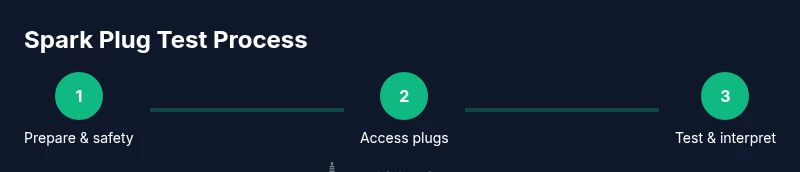
This section outlines the core actions you’ll perform, including accessing plugs, inspecting electrodes, confirming gap, and validating spark with a tester. It’s written to complement the step-by-step instructions below, not to replace them. Consistency matters: test the same cylinders in the same order, record results, and compare across cycles to spot trends. If you’re uncertain about any outcome, consult a professional or compare notes with trusted reference materials. Remember, the goal is to identify whether the spark plug is contributing to engine performance issues, not to replace parts blindly.
Interpreting results and planning next steps
After completing the spark plug test, interpret the findings relative to engine performance. Clean, gap-verified, and correctly torqued plugs that still show signs of fouling or discoloration may indicate fuel or oil-related problems rather than a plug defect. If the plug shows heavy fouling with oil or coolant, investigate related engine seals or rings. A healthy plug typically has a light tan to gray insulator with minimal deposits and a proper gap. Plan maintenance steps based on these observations: replace worn or fouled plugs, check ignition wires and coils, and monitor performance after reassembly. This thoughtful next-step approach aligns with best practices in spark plug maintenance and fuel system diagnostics.
Tools & Materials
- Spark plug socket wrench with swivel(3/8 in drive; long-reach if needed)
- Torque wrench(To manufacturer spec for reinstallation)
- Feeler gauge or plug gap tool(Check and adjust plug gap to spec)
- Digital multimeter(For static resistance checks)
- Dedicated spark plug tester (or 12V battery with adapter)(Used to visualize spark without engine running)
- Safety gear (gloves, eye protection)(Protect hands and eyes from debris and high voltage)
- Rag or shop towel(Clean surfaces and wipe deposits)
- Anti-seize compound (optional)(For smoother reinstallation)
- Dielectric grease (optional)(Reduce corrosion on plug boots)
- Owner’s manual or gap table(Torque and gap specs specific to your engine)
Steps
Estimated time: 40-60 minutes
- 1
Prepare workspace and safety gear
Set the vehicle on a flat surface, engage parking brake, and disconnect the battery if your manual requires. Don gloves and eye protection, lay out tools, and ensure good lighting. This initial preparation reduces the risk of shock or dropping parts and helps you work methodically.
Tip: Keep a written checklist to confirm each safety step before touching ignition components. - 2
Access and label plug locations
Identify each spark plug's position, cylinder order, and accompanying coil or wire. If needed, remove engine covers or intake components to reach plugs. Label wires or take photos to ensure proper reassembly.
Tip: Label connectors with masking tape so you don’t mix up cylinders. - 3
Remove plugs for inspection (optional)
Using the correct socket, carefully loosen and remove one plug at a time. Inspect electrode wear, deposits, and the insulator color. Place plugs in order to match cylinder location and note condition before testing.
Tip: Do not use brute force; if a plug is tight, stop and re-check alignment. - 4
Gap verification and visual inspection
With the plug out, measure the gap using a feeler gauge and compare to the manufacturer’s spec. Look for discoloration, oil, or heavy deposits. If needed, clean deposits with a non-abrasive brush or replace the plug.
Tip: Record the gap reading for each cylinder to spot inconsistencies. - 5
Spark test or resistance check
Connect the plug to a spark tester or your multimeter as appropriate. Ground the tester to the engine block and observe spark color and consistency when simulated. If the plug doesn’t spark or the reading is wildly off, mark it for replacement.
Tip: Do not stand in line with the spark path—keep a safe distance while testing. - 6
Reinstall and verify engine function
Reinstall plugs to their torque spec, reconnect leads, and replace any engine covers. Reconnect the battery, start the engine, and listen for misfires or rough running. If issues persist, pursue further diagnostics like compression tests or coil checks.
Tip: Torque to spec to avoid thread damage or leakage.
FAQ
What is the main purpose of a spark plug test?
The spark plug test helps confirm ignition health by validating spark quality, electrode wear, and gap accuracy. It guides whether you should replace plugs, investigate ignition components, or check the combustion process. This diagnostic is a fundamental first step for DIYers.
A spark plug test confirms ignition health by checking spark quality and plug wear, guiding replacement decisions.
Can I test spark plugs without removing them?
Yes for some checks like visual inspection and surface gap measurement if accessible. However, to assess electrode wear and exact gap, removing the plug is usually necessary. Always follow your vehicle manual for safe access.
You can do some checks without removing plugs, but for precise gap and wear assessment you typically need to remove them.
What tools do I need for a spark plug test?
You’ll want a spark plug socket, torque wrench, feeler gauge, multimeter, and a spark tester if possible. A battery source or automotive test light can substitute in some static tests. Have safety gear and cleaning supplies ready as well.
Essential tools include a plug socket, torque wrench, gauge, and a spark tester; safety gear is a must.
How should I interpret plug test results?
Normal-looking plugs with clean electrodes indicate good combustion and ignition. Fouling, oil deposits, or unusual color suggests issues with fuel management, oil control, or misfiring. Use the results to guide whether to replace plugs or investigate other engine systems.
Healthy plugs look clean with proper gaps; fouling or strange colors point to other issues to investigate.
How often should I perform a spark plug test?
There’s no universal interval. Perform tests when you notice symptoms like hard starting, rough idle, or decreased fuel efficiency. During major service intervals, a quick plug check can prevent surprises.
Test when you notice symptoms or during major service to stay ahead of problems.
What should I do if a test shows a bad plug?
Replace the faulty plug and inspect related components such as ignition coils, wires, and seals. Re-test after replacement to verify improvement and continue with diagnostic steps if issues persist.
If a plug is bad, replace it and re-check the system to ensure fixes hold.
Watch Video
Main Points
- Inspect plugs for wear and deposits during tests
- Use a spark tester or proper multimeter setup for reliable results
- Document readings and compare across cylinders
- Reinstall to torque specs and verify engine startup
- Integrate plug testing with broader ignition and fuel diagnostics