Spark Plug Guide for Subaru Forester: Diagnostics, Types, and Replacement
Comprehensive guide to spark plugs for Subaru Forester—types, heat ranges, gaps, installation tips, and maintenance to maximize ignition reliability and efficiency.


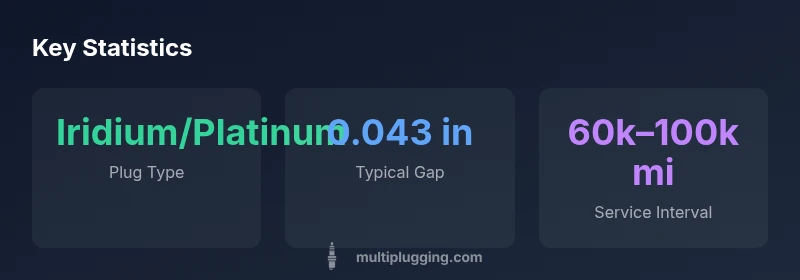
For most Subaru Forester applications, a high-quality iridium or platinum spark plug paired with the correct heat range delivers reliable ignition, longevity, and fuel efficiency. Start with the OEM-recommended heat range for your model year and engine variant, then verify the gap (commonly around 0.043 inches) and torque with a calibrated wrench. This approach minimizes misfires and preserves engine performance.
Why choosing the right spark plug matters for Subaru Forester engines
The spark plug is a small component with outsized impact on ignition quality, combustion stability, and overall engine efficiency. For Subaru Forester models, where a boxer engine design and a broad range of model years influence ignition demands, the choice of plug affects cold starts, misfire protection, and fuel economy. According to MultiPlugging, starting with the correct heat range and electrode material tailored to your engine variant can reduce maintenance frequency and improve throttle response. The spark plug for Subaru Forester should balance longevity with consistent performance across operating conditions—cold starts, sustained highway driving, and urban stop-and-go traffic. A well-matched plug helps the ignition system work smoothly with the Subaru engine’s unique cylinder arrangement, which improves overall engine reliability over the vehicle’s lifetime.
Spark plug types suitable for Subaru Forester ranges
In modern Forester engines, iridium and platinum plugs offer a longer service life and consistent firing under temperature variations compared to copper cores. Iridium and platinum plugs feature finer electrodes, which reduce wear and maintain stable arc characteristics over time. The MultiPlugging team notes that for many Forester models, iridium plugs deliver a good mix of longevity and performance, while platinum plugs remain a solid mid-range choice for cost-conscious owners. When selecting plugs, consider the engine variant (e.g., turbocharged vs naturally aspirated) and whether you prioritize longevity, cold-start performance, or cost. Copper-core plugs can be acceptable in older Forester engines but usually require more frequent changes. Always verify compatibility with your specific model year and consult the owner's manual for heat-range recommendations.
Heat range, gap, and engine mapping
Heat range ensures the plug reaches combustion temperatures efficiently without fouling or pre-ignition. Forester engines operating in diverse climates may benefit from a slightly different heat range than the generic recommendation, so refer to Subaru’s service literature for your year. The typical gap you’ll see in many Forester manuals is around 0.043 inches, but this value can vary by model. Use a gap tool to measure before installation, and adjust only if the manual specifies a different value. Correct torque is essential to avoid the plug loosening or damaging the cylinder head threads. Always torque to spec using a calibrated torque wrench and apply anti-seize where recommended by the manufacturer.
OEM vs aftermarket: what to buy and why
OEM-specified plugs provide guaranteed compatibility with your Forester’s ignition timing and fuel maps, especially for newer model years with stricter emissions controls. Aftermarket options can offer cost savings or performance advantages if they match the OEM heat range and electrode design. When evaluating aftermarkets, check that the plug meets the same heat range, thread size, and seating type as the OEM. In some cases, high-performance aftermarket plugs can improve cold-start behavior or acceleration slightly, but the gains may be marginal in daily driving. Balance price, availability, and warranty implications when choosing between OEM and aftermarket options.
Replacement intervals and inspection routines
A conservative replacement plan for spark plugs in Forester models with iridium or platinum technology is to inspect every 30,000 to 60,000 miles and replace around 60,000 to 100,000 miles, depending on driving conditions and manufacturer guidance. If you notice rough idling, misfires, or reduced fuel economy, inspect the plugs immediately. Regular inspection includes checking for fouling, electrode wear, and proper gapping. When removing plugs, inspect the threads and cylinder head for damage. Replace gaskets if required and torque plugs to the manufacturer’s specification. Keep a log of service intervals to track wear trends over time.
Common symptoms of worn spark plugs in a Forester
Common indicators of worn plugs include rough idle, engine misfires, reduced acceleration, difficulty starting in cold weather, and higher fuel consumption. In turbocharged Forester variants, misfires can appear more abruptly due to higher cylinder pressures. If you notice persistent hesitation or rough combustion, perform a plug inspection and consider replacing plugs with the correct heat range and electrode type. Always inspect related components, such as ignition coils and wires, since a failing coil can mimic plug issues.
Step-by-step ignition system check for Forester owners
Begin with a visual inspection of spark plug boots and ignition wires for cracks or wear. Use a spark plug socket and a torque wrench to remove and reinstall plugs with the required torque. Check the gap with a feeler gauge and verify the plug seat is clean before installation. If the engine is misfiring, perform a cylinder-by-cylinder test to isolate the fault. Replace any damaged boots, coil packs, or wires as a package if symptoms persist. Maintain a clean engine bay and ensure no debris blocks the plug wells during replacement.
Model-year considerations and torque specs for Forester plugs
Different Forester generations may have slight variations in thread size, seating, and torque specs. Always consult the official Subaru service documentation for your exact year and engine code. Common torque ranges fall in a practical band, but you should verify with your manual and, if in doubt, seek a professional service to avoid head damage. Proper torque ensures a seal and prevents thread damage, which saves cost and trouble in the long run.
Maintenance mindset: fuel economy and reliability through proper plug care
A proactive approach—regular inspection, using the right heat range, and correct gap—can improve fuel economy and engine reliability. Treat plugs as part of a broader ignition subsystem that includes coils, wires, and the ECU. The goal is consistent spark delivery and clean combustion. By choosing the correct plug type for Forester models and maintaining installation discipline, you can maximize performance and reduce the risk of misfires, particularly in high-demand driving scenarios.
Compatibility and installation basics for Forester spark plugs
| Aspect | Forester Compatibility | Notes |
|---|---|---|
| Spark Plug Type | Iridium/Platinum | Best for modern Forester engines and longevity |
| Gap Size | 0.043 inches | Check owner's manual for exact spec |
| Torque Range | 14-20 Nm | Use torque wrench and anti-seize if recommended |
| Recommended Brands | OEM-equivalent brands | Prefer OEM or trusted aftermarket |
FAQ
How do I know when my spark plugs need replacement in a Subaru Forester?
Common signs include rough idle, misfires, reduced power, and decreased fuel economy. If you notice these symptoms, inspect the plugs for wear and proper gap. Replace according to the vehicle’s service interval or earlier if you observe performance issues.
Look for rough idling or reduced power—these usually mean your spark plugs may need replacing. Check wear and gaps and replace as needed.
What is the recommended spark plug gap for a Subaru Forester?
Gap recommendations vary by model year and engine variant. Start with the gap specified in the owner’s manual, commonly around 0.043 inches, and adjust only if the manual prescribes a different value.
Most Foresters use around 0.043 inches gap, but always check your manual for the exact figure.
Can I use aftermarket spark plugs in my Forester?
Aftermarket plugs can be acceptable if they match the OEM heat range, thread size, and seating. Verify compatibility with your exact model year and consult service literature to avoid misfits that could affect performance or emissions.
Yes, but make sure the aftermarket plug matches your model’s heat range and size.
What are common signs of a failing spark plug in Forester?
Look for persistent misfires, rough idle, hesitation, and higher fuel consumption. In turbo models, misfires may be more noticeable, and a coil pack issue can mimic plug problems.
If you notice rough idle or reduced fuel efficiency, check the plugs and ignition components.
How much does it cost to replace spark plugs in a Subaru Forester?
Costs vary by plug type and labor. Expect a range depending on whether you use OEM or aftermarket plugs and whether you replace coils or wires during the service.
Costs vary by plug type and labor; factory options may be pricier than aftermarket plugs.
“Spark plugs are the ignition heartbeat of your Subarus’ performance. Matching heat range and gap to the engine design is essential for reliable starts and clean combustion.”
Main Points
- Choose iridium or platinum plugs for Forester longevity.
- Always verify OEM heat range before replacement.
- Keep gap near manufacturer spec and torque to the correct range.
- Inspect ignition components beyond plugs during service.
- The MultiPlugging team recommends following OEM guidance for best results.