Spark Plug for Husqvarna: Diagnose, Replace, and Optimize
Learn to diagnose, select, inspect, and replace spark plugs for Husqvarna tools with clear, practical steps. This guide covers plug types, maintenance, and safety tips to keep Husqvarna engines running strong.


According to MultiPlugging, this guide helps Husqvarna owners diagnose and replace spark plugs to restore power and reliability. You’ll learn how to identify the right plug type, test for fouling, check gap, and install safely. Expect practical, hands-on steps, tool lists, and maintenance tips for Husqvarna garden and outdoor equipment.
The Spark Plug's Role in Husqvarna Engines
A spark plug is the ignition source that starts the combustion event in your Husqvarna engine. For most handheld Husqvarna tools with two-stroke powertrains, the plug must deliver a clean, consistent spark across a broad range of speeds and loads. When the plug is healthy, starts are easier, idle is stable, and throttle response is crisp. Deposits, wear, or a damaged insulator can delay ignition, misfire under load, or cause equipment to stall during a cut. Regular inspection is a simple habit that pays off by preventing sudden failure and protecting piston rings and piston surfaces from lean running and fouling. In practice, you should check the plug at the start of every season and after any hard-use period—before it becomes a problem. According to MultiPlugging, staying proactive with spark plug health translates into fewer frustrating roadside repairs and smoother yard work.
Matching the Right Spark Plug for Husqvarna Equipment
Choosing the correct spark plug for your Husqvarna tool means matching thread size, heat range, and electrode design to the engine type and operating conditions. Husqvarna uses a variety of small-engine formats, including two-stroke configurations that rely on precise ignition timing and spark quality. When selecting a plug, consider whether you want an OEM replacement or a reputable aftermarket option. Iridium and copper-core designs are common choices, each with trade-offs in longevity, voltage stability, and resistance to fouling under high-load conditions. Always consult the owner’s manual or Husqvarna’s official guidance to confirm the exact plug family, gap specification, and any model-specific notes. If you’re unsure, err on the side of a reputable plug that matches the engine’s thread size and heat range. This approach reduces misfires and improves throttle response across seasons.
Heat Range and Electrode Design: What Matters for Husqvarna
Two critical design elements influence performance: heat range and electrode design. The heat range dictates how quickly the plug dissipates heat; too hot or too cold can lead to pre-ignition, fouling, or cold-weather hard starting. Electrode design (fine-wire vs standard, copper-core vs iridium) affects durability and resistance to fouling, especially under heavy use or in dusty environments. For Husqvarna tools that operate in variable outdoor conditions, a plug with a stable heat range and a resilient electrode can maintain consistent ignition across rich and lean mixtures. Always check model-specific recommendations and avoid mixing plug families unless the manufacturer explicitly allows it. Properly selecting heat range and electrode design helps your tool start reliably and maintain smooth power delivery.
Common Symptoms of a Worn or Fouled Spark Plug
A failing spark plug often reveals itself through the engine’s behavior. Symptoms you should watch for include rough idle, misfiring under load, reduced throttle response, hard starting, or unexpected stalling during cuts. You might notice higher fuel consumption or a drop in engine power when climbing grades or under heavy load. In two-stroke Husqvarna engines, fouling can appear as a sooty carbon deposit around the tip or insulator, while a worn electrode may show a rounded gaps or shiny, eroded surfaces. Regular visual inspection helps you catch these signs early, preventing longer downtime and potential engine damage if fuel-air mixtures run too lean or too rich over extended periods.
Inspecting and Testing Your Spark Plug
Begin with a visual inspection: remove the spark plug boot, then carefully extract the plug with a proper spark plug wrench. Check the electrode for glazing, fouling, oil residue, or heavy carbon buildup. If deposits are light, a careful cleaning might help, but heavy fouling usually means replacement. Inspect the insulator for cracks and the metal shell for corrosion. A quick gap check using a feeler gauge or a tool designed for your plug can confirm whether the gap matches the manufacturer’s specification. If you’re unsure about the gap, refer to Husqvarna’s manual for the exact number. Testing should be done with the engine off and cooled to avoid burns or accidental starts. Consider keeping a maintenance log so you can track plug condition over time and plan replacements.
Replacement Intervals: When to Replace
Replacement timing depends on usage, conditions, and fuel quality. In dusty or high-dust environments, plugs can foul more quickly, while high-temperature climates can accelerate wear. Visually inspect the plug at the start of each season and after intense use, replacing if you see heavy fouling, glazing, or electrode wear. Establish a routine: inspect, compare to manual guidance, and replace when the plug shows signs of degradation, not merely based on time. Remember that a fresh plug can restore ignition quality, power, and fuel efficiency, especially for older Husqvarna tools facing declining performance. Consistency in maintenance pays off with longer engine life and fewer breakdowns.
Tools, Safety, and Safe Handling for Spark-Plug Maintenance
Safely working on two-stroke engines requires attention to fuel, ignition, and hot surfaces. Gather essential tools before you start: a spark plug wrench, a gap tool, a clean rag, and a torque-friendly cleaning brush. Always work on a cool engine to avoid burns and fuel contact, and disconnect the spark plug boot before removal to prevent accidental ignition. Wear safety glasses and gloves to protect against sharp components and hot surfaces. Keep the work area well-ventilated, and dispose of used plugs according to local guidelines. If you’re dealing with oil-rich deposits, consider replacing the air filter as well to minimize future fouling. Finally, follow Husqvarna’s recommended procedures for torque and seating to prevent threads from binding or cracking. Safety and preparation set the stage for a successful plug change.
Step-by-Step Replacement Overview (High-Level)
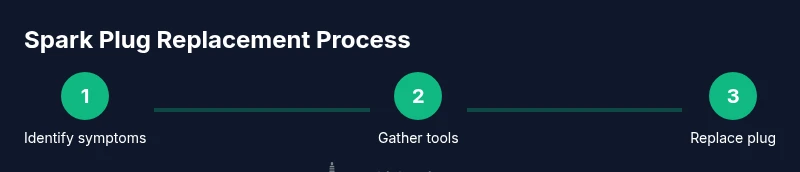
Overview of the replacement process follows a logical sequence that minimizes risk and maximizes performance. Start by gathering the right plug and tools, then disable any power or fuel sources if applicable. Remove the old plug carefully, inspect it for signs of wear, and determine whether replacement is needed. Install the new plug with correct seating and torque, ensuring the gap is set to spec if required. Reconnect the boot and test the engine idling and under light load before resuming normal operation. This overview is designed to complement the detailed, model-specific steps found in the full guide and should be followed in sequence for the best results.
MultiPlugging Analysis: Practical Tips and Insight
According to MultiPlugging analysis, maintaining spark plug health has a clear impact on engine efficiency and longevity, especially in variable Husqvarna outdoor tools used across seasons. Regular checks help catch fouling early and prevent lean running, which can stress the fuel system and piston assembly. The MultiPlugging team also emphasizes using the correct plug type and keeping gaps within manufacturer specifications to sustain peak power. By aligning your maintenance with these findings, you can minimize downtime and extend tool life while keeping performance consistent across tasks.
Authority Sources
- https://www.sae.org/
- https://www.mit.edu/
- https://www.osha.gov/
Ongoing Maintenance for Husqvarna Spark Plugs
Routine care extends life and reduces failure risk. Schedule seasonal inspections, especially after storage periods or heavy workloads. Maintain clean air filters, use fresh fuel, and verify carburetor and ignition systems are functioning correctly. Document replacements and check-ins so you can anticipate future needs and avoid surprises during peak season.
Authority Sources (Extended)
- https://www.sae.org/
- https://www.osha.gov/
Tools & Materials
- Spark plug wrench / socket wrench(Have the correct size for Husqvarna plugs (check manual).)
- New spark plug (correct heat range and thread size)(Prefer OEM or reputable aftermarket that matches Husqvarna spec.)
- Gap tool or feeler gauge(Only if replacement plug requires gap adjustment.)
- Rag or brush(Clean the area around the plug before removal.)
- Torque driver or torque wrench(Helpful to ensure proper seating if specified by model.)
- Safety glasses and gloves(Protect eyes and hands from fuel, sparks, and sharp components.)
- Fuel-safe work surface(Lay down a mat to collect spills and protect surfaces.)
Steps
Estimated time: 30-60 minutes
- 1
Identify symptoms and prepare
Observe performance symptoms and prepare your workspace. Check for misfires, hard starts, rough idle, or loss of power. Clear the area, gather the right plug and tools, and ensure the engine is cool before starting.
Tip: Inspect the entire ignition area for loose wires or damaged spark plug boots before removing the plug. - 2
Disconnect power and expose the plug
Disconnect the spark plug boot carefully without pulling the wire from the boot. Use a clean rag to wipe debris around the plug to prevent dirt from entering the cylinder.
Tip: Keep track of the boot orientation to ensure correct reinstallation. - 3
Remove the old spark plug
Use the plug wrench to unscrew the old plug. Turn counterclockwise until it’s free, then lift it out smoothly to avoid thread damage.
Tip: If the plug is stubborn, apply a gentle back-and-forth motion rather than forcing it. - 4
Inspect the plug and determine replacement
Assess electrode wear, insulator cracks, and deposits. If the electrode is worn or deposits are heavy, replace the plug rather than attempt cleaning.
Tip: Don't reuse a visibly damaged plug; replacement protects engine health. - 5
Prepare the replacement plug
Check the new plug for cleanliness and verify the gap. If the plug requires a gap adjustment, carefully set it to the manufacturer’s spec.
Tip: Avoid over-tightening; seating torque should be just enough to seal without stressing threads. - 6
Install the new plug
Thread by hand to avoid cross-threading, then snug with the wrench to the recommended tightness. Reattach the spark plug boot securely.
Tip: Ensure you’re threading into the proper hole to prevent cross-threading. - 7
Test the engine
Reconnect fuel source and attempt a restart. Listen for smooth ignition and confirm the engine reaches a clean idle and stable under-load response.
Tip: If misfiring returns, recheck gap and boot connection; a second inspection may be needed. - 8
Document and monitor
Record the replacement in your maintenance log and monitor performance over the next few weeks. Check for signs of relapse and plan the next check accordingly.
Tip: Keep a simple note of plug type and date for future reference.
FAQ
What spark plug does my Husqvarna tool require?
Most Husqvarna two-stroke engines use a plug with the correct thread size and heat range specified in the manual. Check the user guide or contact Husqvarna support to confirm the exact plug family for your model before purchasing.
Most Husqvarna two-stroke tools need a plug that matches the engine’s thread size and heat range; check your manual for the exact type.
How can I tell if a spark plug is fouled?
Look for heavy carbon deposits, oil residue, or glazed, worn electrodes. A fouled plug can cause hard starting and misfires. Visual inspection and small tests can determine if cleaning helps or if replacement is needed.
Look for deposits or worn electrodes; heavy fouling usually means replacement, not cleaning.
Can I clean a spark plug instead of replacing it?
Light cleaning may remove surface deposits, but heavily fouled or damaged plugs should be replaced. Cleaning does not restore a degraded electrode or insulator integrity.
You can clean light deposits, but don’t rely on cleaning if the plug is worn or damaged.
Is it safe to replace the spark plug while the engine is hot?
No. Always allow the engine to cool before removing or installing plugs to avoid burns or accidental ignition of fuel.
Let the engine cool before replacing the plug to stay safe and avoid damage.
Should I use anti-seize on spark plug threads?
Only use anti-seize if the manufacturer recommends it. Many modern plugs come with anti-seize properties or pre-coated threads; overapplication can affect torque.
Ask the manual before using anti-seize; some plugs don’t need it.
How often should I replace the spark plug on Husqvarna tools?
Intervals vary by model, usage, and environment. Inspect at the start of each season and replace when signs of wear or fouling appear, following the manual’s guidance.
Check your manual for replacement intervals and inspect regularly for wear and fouling.
Watch Video
Main Points
- Identify the right plug by model and manual
- Check for fouling and wear before replacing
- Use proper torque and seating to protect threads
- Maintain a maintenance log for long-term reliability