How to Identify Original NGK Spark Plug vs Fake
Learn to spot genuine NGK spark plugs by packaging, markings, codes, and retailer provenance. This guide helps DIYers avoid fakes and protect engine performance.


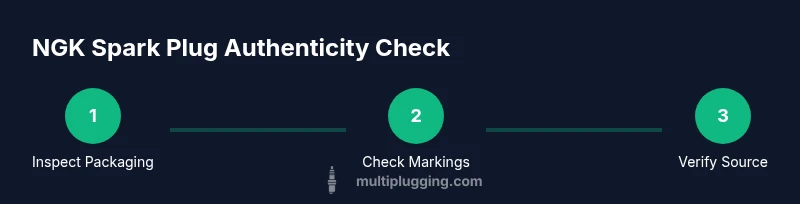
By comparing packaging, markings, serials, and retailer verification, you can reliably identify original NGK spark plugs and spot fakes. Key checks include NGK logo, part number and date code, ceramic color, heat range stamping, and consistent threading. Always buy from reputable sources to protect performance and warranty.
Why authenticity matters for NGK spark plugs
Authenticity matters because genuine NGK spark plugs are matched to exact heat range, electrode design, and tolerances specified by the manufacturer. A fake or counterfeit plug can misfire, foul, or fail sooner, threatening engine performance and safety. For DIY enthusiasts and car owners, understanding how to identify original ngk spark plug vs fake helps protect the vehicle's efficiency, emissions, and warranty. In this guide, we walk through the practical checks you can perform before installation, sale, or trust a used plug. The phrase 'how to identify original ngk spark plug vs fake' frames the process, but the real value comes from systematic verification—packaging, markings, codes, and provenance. According to MultiPlugging, authentic NGK plugs carry consistent branding and verifiable details that counterfeit versions often lack. By developing a routine, you can reduce the risk of damaging your engine or voiding warranties.
Quick checks on packaging and labeling
Packaging is the first line of defense. Genuine NGK plugs arrive in sturdy boxes with clear printing, a readable part number, and an NGK logo that is crisp and correctly spaced. Look for tamper seals, holographic stickers if applicable, and a barcode that scans to an official catalog entry. Compare the package orientation, font weight, and color balance with an authenticated reference from the NGK official site or a trusted retailer. If any discrepancy exists—missing logos, misaligned labels, or unusual font—the item should be treated as suspect. In this stage you are performing the 'how to identify original ngk spark plug vs fake' workflow with a focus on outward evidence. MultiPlugging notes that most genuine packaging will display consistent language and an unbroken seal. When in doubt, request the packaging from the seller or consult the official NGK packaging gallery.
Inspecting the NGK markings and logos
Move from packaging to the plug body itself. A genuine NGK spark plug has precise branding etched or printed on the metal shell and the insulator. Look for the NGK wordmark, the proper typeface, and correct sizing of the engravings. The part number should appear in a standardized format, and the date or batch code should be located in a predictable position and be legible under good light. Counterfeit plugs often show slight misalignment, fuzzy edges, or missing letters. Inconsistent spacing or spellings such as 'NGK' vs 'NGK' with odd kerning can be a dead giveaway. Pay attention to the ceramic color and finish around the terminal and the ground electrode; genuine NGK parts tend to have uniform, high-quality finishes.
Serial codes, date codes, and batch information
Quality control codes are where most fakes falter. Genuine NGK plugs carry serial codes, date codes, or batch identifiers that can be cross-checked against official NGK references. When you read the code, note its format and length; compare it to the catalog listing for that specific plug family. If you cannot locate the code in the official reference, or if the code looks nonsensical, treat the plug as suspect. It is common for fakes to omit codes entirely or to use meaningless alphanumeric strings. This step is essential for verifying authenticity rather than relying on appearance alone. Keep a record of any codes you find, as they will be useful when you contact NGK for confirmation.
Physical features: ceramic color, electrode gap, and plating
NGK ceramic insulators have consistent color and texture; you should see a clean glaze without cracks or chips. The center electrode and ground strap should be tightly coupled with an even gap, and the metal shell should be free of rough machining marks. If the plug shows flaking metal, rough threads, or an uneven tip, those can be red flags. The electrode gap is generally pre-set by NGK for the intended engine, but you should verify it with the ignition system's requirements. While some variations exist across product lines, major deviations in color, texture, or finish from the reference plug are suspicious indicators. Remember that fakes may imitate styling but fail on micro-level details that affect performance.
Verifying retailer provenance and purchase documentation
Always check where the plug came from. Authorized dealers, official NGK distributors, and reputable auto parts stores reduce the risk of counterfeit parts. Ask for a receipt, warranty card, or serial traceable to the source. If you bought from a marketplace or a seller with questionable feedback, take extra caution. Cross-check the seller’s profile with NGK’s list of authorized retailers if available in your region. When in doubt, contact NGK support with the lot numbers and photos for authentication guidance. This step emphasizes provenance as a key pillar of how to identify original ngk spark plug vs fake.
Bench tests you can perform safely
Some authenticity checks can be done without installing the plug in an engine. With proper safety gear, use a spark plug tester designed for automotive use to verify the firing characteristics and insulation integrity. Do not attempt high-energy tests that could damage the plug or injure you. If the plug passes basic insulation resistance checks and matches the expected heat range on paper, it increases the likelihood of being genuine, but only official verification should be taken as conclusive. Photograph the test results and compare against the expected NGK performance profiles from the official catalog. This section adds practical, safety-conscious steps for how to identify original ngk spark plug vs fake.
What to do if you suspect a fake
If you suspect authenticity issues, stop using the plug and isolate it from service. Preserve the packaging and any inserts, and take clear photos of the plug, packaging, and codes. Contact the seller for a replacement or refund and report your suspicion to NGK through their official channels. If you recently installed the plug, monitor engine performance for misfires, rough idling, or reduced fuel efficiency, and seek a professional inspection if symptoms appear. Early verification saves time and protects your engine.
Real-world examples and common red flags
Many counterfeit NGK plugs imitate the presentation of the genuine product but fail in real-world tests. Red flags include odd fonts, misalignment, missing or misprinted logos, unusual color tones on the ceramic or metal shell, inconsistent thread diameter, and incorrect boot or gasket dimensions. Compare against a verified genuine plug image from the NGK catalog and a trusted retailer’s listing. If you spot multiple red flags, treat the item as counterfeit and pursue a refund or replacement via the seller. This section closes the middle of the article by illustrating how the checks come together in practice.
Tools & Materials
- Official NGK part numbers catalog or verified NGK website(Have part number and image reference for cross-checking authenticity.)
- Packaging, box and labels(Keep intact packaging for verification codes.)
- Magnifying glass or jeweler's loupe(Inspect fine print and engravings closely.)
- Caliper or precise ruler(Check dimensions against official specs.)
- Clean cloth(Wipe to inspect finishes and logos clearly.)
- Smartphone with camera (and access to NGK reference gallery)(Capture high-res photos for documentation.)
- Receipt or proof of purchase from authorized dealer(Helps establish provenance.)
- Spark plug tester (bench-type, automotive-grade)(Optional safety test for insulation and firing characteristics.)
Steps
Estimated time: 40-60 minutes
- 1
Gather reference plugs and documentation
Collect a known genuine NGK plug or the official NGK reference for your target part. Have the packaging and part number handy to compare against the plug you’re assessing. This establishes a baseline for authenticity checks.
Tip: Use the latest NGK catalog entry for your specific plug family to avoid mismatches. - 2
Inspect packaging and tamper seals
Examine the box, seals, and labels for crisp printing, proper language, and intact seals. Compare layout, font weight, and color with a verified reference. Any misprint or damaged seal is a red flag.
Tip: Request packaging images from the seller if you’re uncertain; a seller with weak packaging control is a warning sign. - 3
Check markings and logo alignment on the plug
Look for the NGK wordmark, correct font, spacing, and legible engravings on the shell and insulator. Ensure the logo is in the right position and not blurred or misprinted.
Tip: Use a magnifying glass to catch subtle misalignments that are easy to miss with the naked eye. - 4
Validate part numbers and date/batch codes
Read the code printed on the plug and verify it against the official NGK catalog. Ensure the format and length match the reference and that the code isn’t missing or nonsensical.
Tip: Document codes with photos for future reference or to share with NGK support. - 5
Assess physical features and finish
Inspect the ceramic color, glaze, electrode gap, and shell finish. Look for cracks, chips, rough machining, or uneven plating that suggests a counterfeit.
Tip: Compare with a known genuine plug to spot subtle differences in texture and color. - 6
Verify retailer provenance
Check that the seller is an authorized NGK distributor or a reputable retailer. Request receipts and cross-check the vendor against NGK’s authorized list if available.
Tip: When in doubt, contact NGK support with the seller’s information and product photos. - 7
Perform safe bench tests (if equipped)
If you have a proper spark plug tester, perform insulation and firing tests as per the device’s instructions. Do not perform risky or high-energy tests that could damage you or the plug.
Tip: Document test results with photos for your records and for NGK inquiry if needed. - 8
Cross-check against official references
Compare all findings—packaging, markings, codes, and physical features—with official NGK references. This cross-check is the strongest way to confirm authenticity.
Tip: Don’t rely on a single cue; authenticity is established through multiple corroborating details. - 9
Decide on next steps if still unsure
If any doubt remains, do not use the plug. Return it to the seller or contact NGK for authentication. Preserve all evidence in case of warranty disputes.
Tip: When in doubt, avoid risking engine damage and pursue official verification.
FAQ
What distinguishes a genuine NGK spark plug from a counterfeit?
Genuine NGK spark plugs carry precise branding, part numbers, and date codes that can be cross-checked against official references. Fakes often show misspellings, inconsistent markings, or cheap finishes. Use multiple verification steps to confirm authenticity.
Genuine NGK plugs have precise branding and official codes; fakes usually have misspellings or vague markings. Use several checks to confirm authenticity.
Can price alone tell me if a plug is real?
Price alone is not proof of authenticity, but a price that is unusually low should raise suspicion. Always verify with packaging, part numbers, and codes.
Price by itself won’t prove authenticity, but an unusually low price should prompt caution.
Where should I buy NGK plugs to avoid fakes?
Buy from authorized NGK distributors, official outlets, or reputable auto parts stores. Request receipts and verify the dealer’s authorization if possible.
Get NGK plugs from authorized dealers or reputable stores and keep the receipt.
What should I do if I suspect I’ve bought a fake?
Stop using the plug, preserve packaging, photograph everything, and contact the seller for replacement. Report the issue to NGK for authentication guidance.
If you suspect a fake, stop using it, document everything, and contact NGK for guidance.
Are there regional NGK differences I should know about?
NGK offers region-specific variants; verify against the local NGK catalog. Differences can include heat range, thread size, and labeling.
There are region-specific NGK variants; check the local catalog for proper compatibility.
What signals a counterfeit during a bench test?
If insulation tests fail or the firing characteristics deviate from the catalog profiles, investgate authenticity further and consult NGK.
Unusual insulation test results or abnormal firing profiles can indicate counterfeits.
Watch Video
Main Points
- Verify packaging and logos for authenticity
- Cross-check part numbers and date codes with official references
- Buy only from authorized dealers to protect warranty
- Document and preserve packaging if suspected fake
- If in doubt, contact NGK support for authentication