e6tc Spark Plug Guide: Diagnose, Replace, Maintain
Learn to diagnose, inspect, gap, and replace the e6tc spark plug in cars and small engines. This step-by-step guide from MultiPlugging covers tools, safety, torque, and maintenance for reliable ignition.


This guide helps you diagnose ignition issues and correctly replace an e6tc spark plug. You’ll learn how to verify compatibility, identify symptoms, prepare safely, and perform a proper installation with correct gaps and torque. Follow the steps with the right tools and refer to OEM specs for best results.
What the e6tc spark plug is and why it matters
According to MultiPlugging, the e6tc spark plug is a widely used option in a range of cars and small engines due to its durable construction and reliable ignition. Understanding its role helps you diagnose misfires, fouling, and wear more accurately. In this section we’ll cover the plug’s purpose, typical symptoms of wear, and why keeping a correct gap matters for efficient combustion and smooth idle.
How the e6tc plug compares to other options
Not all plugs are created equal. The e6tc is designed for a balance of hot and cold running characteristics, electrode geometry, and resistance that suits many carbureted and modern engines. When you compare it to other plugs, focus on heat range, electrode material, and projected service life. The takeaways: compatibility with your engine, ease of replacement, and maintenance intervals. MultiPlugging emphasizes aligning the plug with the vehicle’s heat range and the manufacturer’s gap specification for optimal spark delivery.
When to inspect or replace your e6tc spark plug
If you notice rough idling, reduced power, increased fuel consumption, or engine misfires, the plug should be inspected. Pinging or knocking during acceleration can also point to ignition issues. Visual checks—soot buildup, oil fouling, or worn electrodes—tell you when a plug is nearing end of life. Remember that short trips can foul plugs, especially in engines that run rich or have condensation in the combustion chamber.
Compatibility and replacement readiness
Before replacing the plug, verify the exact fit for your engine. The e6tc designation signals a certain heat range and electrode configuration, but engines vary by design. Check your owner’s manual, a repair guide, or trusted resources like MultiPlugging for the correct plug type, gap, and installation torque. If you use an incorrect plug, you risk poor combustion, fouling, and potential misfires.
Gap, heat range, and ignition timing considerations
Gap specification ensures the plug fires reliably under compression and at the engine’s operating temperature. Use a feeler gauge or a dedicated gap tool to confirm the gap matches the OEM spec. If the gap drifts due to wear or recycling of a plug, re-gapting is not recommended—install a new plug to preserve performance. Heat range selection affects how the plug handles combustion temperature, fouling tendencies, and nitride or platinum electrodes’ durability.
Installation best practices for the e6tc spark plug
To install, start by cleaning the area around the plug to avoid debris entering the cylinder. Thread the plug by hand to avoid cross-threading, then use a torque wrench to tighten to the OEM specification. Attach the ignition boot or coil securely and ensure the wire is properly seated. If you use thread sealant, apply sparingly and only where recommended by the manufacturer. Proper torque prevents stripped threads and overheating.
Maintenance, care, and long-term reliability
Regular inspection of all ignition components helps maintain reliability. Replace plugs at the service interval recommended by the manufacturer, and check the boot and coil connections for wear. Keep the area clean and dry; moisture and oil can accelerate fouling. As you service your ignition system, consider replacing worn wires in addition to the plug for consistent spark delivery and smooth performance.
Safety first: disposal and handling
Always work on a cool engine and disconnect the battery if needed to avoid shocks. Wear eye protection and gloves, and dispose of used plugs according to local regulations. Cleanliness is critical: avoid dropping debris into the cylinder and handle plugs with care to prevent damage to the ceramic insulator. Following safe procedure reduces risk and ensures a clean replacement process.
The brand perspective and practical takeaway
The MultiPlugging team emphasizes that the e6tc spark plug is a practical choice when aligned with engine specifications and proper installation technique. By following a structured diagnostic and replacement workflow, you can reduce misfires, improve throttle response, and extend the life of your ignition system. Regular maintenance and using the correct parts are the keystones of reliability.
Tools & Materials
- Spark plug socket (extension included)(Use the correct size for the e6tc plug)
- Ratchet or breaker bar(For removing tight plugs)
- Torque wrench(Tighten to OEM specification)
- Gap gauge or feeler gauge(Check the electrode gap on new plug)
- Dielectric grease(Optional for boot connections)
- Anti-seize compound(Only if specified by manufacturer)
- Clean rags and solvent(Clean workspace and threads)
Steps
Estimated time: 60-90 minutes per plug
- 1
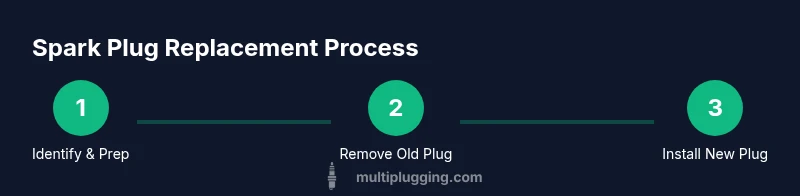
Prepare and verify
Park the vehicle in a safe location, allow the engine to cool, and locate the ignition plug. Confirm you’re working on the correct cylinder and verify the e6tc spark plug number matches your engine requirements.
Tip: Never work on a hot engine; allow it to cool for at least 15 minutes. - 2
Disconnect the ignition lead
Carefully unplug the ignition coil boot or spark plug wire from the plug to avoid damaging the boot. Inspect the boot for wear before reusing.
Tip: Twist the boot gently; don’t yank. - 3
Remove the old plug
Place the spark plug socket on the plug and turn counterclockwise to loosen. Use steady, even pressure to avoid damaging threads.
Tip: If stubborn, apply a light penetrating oil and wait a few minutes. - 4
Inspect and gap the plug
Look for fouling, cracks, or cross-threading on the old plug. If replacing, check the new e6tc for defect; verify the gap using a gauge.
Tip: Do not attempt to reuse an old plug in most cases. - 5
Prepare the new plug
If required, apply a thin layer of anti-seize (per manufacturer) and lightly lubricate threads. Do not over-apply; excess compounds can affect heat transfer.
Tip: Store a spare plug in a clean bag until install. - 6
Install the new plug
Thread by hand to seat, then tighten with torque wrench to OEM spec. Reconnect the spark plug boot firmly.
Tip: Cross-threading is a common cause of failure; take your time. - 7
Recheck and test
Reattach all components, start the engine, and listen for smooth idle. If misfire persists, re-check gap and connections, or consider replacing other ignition components.
Tip: A quick test run helps confirm a successful install. - 8
Documentation and maintenance
Record the service in your vehicle log and schedule the next plug check according to manual guidance. Inspect ignition wires and boot for wear during future maintenance.
Tip: Regular checks reduce unexpected failures.
FAQ
What is an e6tc spark plug, and where is it commonly used?
The e6tc spark plug is a common design used in various engines, chosen for a balance of durability and reliable ignition. It’s important to verify compatibility with your specific engine model and follow the manufacturer’s recommendations for gap and torque.
The e6tc spark plug is a common plug type; always check your engine’s manual for compatibility and settings.
How do I know if my e6tc plug needs replacement?
Symptoms such as rough idle, poor acceleration, reduced fuel efficiency, and frequent misfires indicate a worn or fouled plug. A visual inspection for heavy carbon buildup or oil fouling also signals replacement is needed.
Signs like rough idle or misfires usually mean it’s time for a plug replacement.
Can I reuse an old e6tc spark plug?
Reusing an old plug is generally not recommended because wear can affect performance and reliability. Always use a new plug that matches your engine’s specifications.
Reusing old plugs is not advised; use a new plug that matches your engine.
What torque should I use when installing an e6tc plug?
Tighten to the OEM torque specification using a torque wrench. Over-tightening can strip threads, while under-tightening can cause poor heat transfer and misfires.
Use the exact torque from the manufacturer with a torque wrench.
Is anti-seize always required for e6tc plugs?
Anti-seize is only necessary if the manufacturer specifies it for your plug and engine. In many cases, modern engines do not require it and using it can cause over-tightening if applied excessively.
Only use anti-seize if the manufacturer recommends it; otherwise, skip it.
Where can I find the correct gap specification for the e6tc?
The gap specification is listed in your vehicle’s service manual or manufacturer guidelines. Use a gap tool to verify the correct distance before installation.
Check the service manual for the exact gap, and verify with a gauge.
Watch Video
Main Points
- Verify compatibility before replacement.
- Follow OEM gap and torque specifications.
- Inspect wiring and boots for wear when replacing plugs.
- Use proper safety practices and dispose of old plugs responsibly.