Do Spark Plugs Work Better in Cold Weather? A Practical Comparison
Explore how cold weather affects spark plug performance, heat range, and diagnostics. Learn practical tips to optimize ignition, prevent misfires, and extend plug life in winter.


Do spark plugs work better in cold weather? The short answer is complex: there isn’t a universal yes or no. In winter, performance hinges on choosing the right heat range and plug type for your engine, climate, and driving patterns. With correct winter-focused choices, light-off during cold starts improves and misfires can be reduced, but results vary by vehicle design and fuel quality.
Temperature and ignition basics
The question "do spark plugs work better in cold weather" isn’t answered by a simple yes or no. Spark plugs are heat exchangers that must reach a healthy operating temperature to burn the air-fuel mixture efficiently. In cold weather, the engine and exhaust system start at lower temperatures, which affects how quickly the plug heats to its optimal operating range. The correct plug strategy depends on the engine design, heat range, and how you drive. According to MultiPlugging, the key is selecting a plug that reaches and maintains its ideal temperature during winter operating cycles, balancing cold-start reliability with the risk of fouling during longer drives. If you pick a plug that runs too cold in winter, you risk deposit buildup; if it runs too hot, you may experience pre-ignition or overheating once the engine warms. For DIYers, matching heat range to winter usage tends to produce fewer cold-start misfires and smoother idle on short trips.
Air density, ignition timing, and cold starts
Winter air is denser, which means more oxygen arrives in the cylinder for each combustion event. This can improve ignition potential, but it also places greater demand on the ignition system to fire reliably during cold starts. The densest air can magnify timing sensitivity, so a plug with the appropriate heat range paired with proper ignition timing helps ensure a clean light-off. In cooler months, fuel behavior also shifts; in some climates, winter fuel formulations burn a bit differently and require a slightly different balance between electrode temperature, mixture, and timing. A well-chosen plug helps the engine reach its healthy operating temperature quickly, reducing rough starts and rough running as the metal components warm up.
Heat range and winter performance
Heat range is the single most important factor for winter performance. A plug that is too cold tends to accumulate deposits during short trips or frequent cold starts, whereas a plug that is too hot can cause pre-ignition once the engine warms and can contribute to knocks under aggressive winter driving. For winter operation, many drivers benefit from a plug with a heat range that quickly reaches operating temperature during cold starts but doesn’t stay hot long enough to burn off fuel deposits. The result is more reliable cold starts, steadier idle, and a reduced chance of fouling when the engine returns to normal temperatures after a winter trip.
Spark plug gaps and winter tolerance
Gap size matters more in winter because of the ice-cold intake environment and denser air. A gap that’s too wide can hinder starting in cold conditions, while an arc that’s too narrow may require higher ignition energy to ignite the denser mixture. In winter, slight adjustments to the gap are sometimes recommended to ensure reliable ignition and consistent heat transfer. Always consult the vehicle’s manual or a trusted guide before changing gaps. If you’re unsure, start with a factory-recommended gap for your climate and driving profile and test the results over a few cold starts to see how easily the engine lights off and maintains smooth idle.
Types of plugs and winter compatibility
Different plug types respond differently to cold weather. Iridium and platinum electrodes offer longevity and crisper ignition in many engines, but their performance still depends on heat range and gap. Copper cores generally heat up faster and can be more forgiving in some winter conditions but may wear faster in hotter climates. For winter readiness, prioritize a plug designed for your engine's heat range and the climate you drive in. If you frequently encounter short trips and cold starts, a colder or extended heat-range plug designed for winter operation can help maintain a stable light-off and reduce misfires.
Winter starting and misfire patterns
Winter misfires often arise from cold starts, damp air, and short trips where the engine never reaches its ideal temperature. Symptoms include rough idle, stumble on acceleration, or occasional misfires during initial crank. Addressing these patterns typically involves ensuring the plug type and heat range align with winter operation, verifying the gap is appropriate, and confirming the ignition system is delivering a reliable spark. If misfires persist, inspect related components such as ignition cables, coils, and fuel delivery, but begin with the spark plug selection and gap.
Diagnostic steps for winter misfires
Diagnosing winter misfires starts with a baseline check of your spark plugs. Remove and inspect for fouling, glazing, oil deposits, or worn electrodes. Compare the plug color to a standard reference for your engine and climate. If deposits are present, adjust the heat range or consider a plug with better fouling resistance. Use a basic compression and ignition coil test to confirm the lack of mechanical issues. Finally, review air-fuel ratios and fuel quality, especially in regions with winter blends; lean misfires can present differently from rich misfires.
Winter maintenance to maximize spark plug health
Maintenance in winter centers on ensuring clean ignition timing and a clean air-fuel mix. Use fresh fuel or fuel stabilizers for extended storage to avoid varnish-like deposits. Keep the air filter in good condition to prevent extra soot and moisture from entering the intake. Inspect and, if needed, replace ignition coils or wires that show signs of wear, as faulty components can mimic plug problems in cold weather. Seasonal checks help ensure reliable light-off, smoother idle, and consistent performance during winter driving.
Replacement timing and guidance for cold-weather readiness
Premium winter performance is often achieved by replacing worn plugs before heavy winter driving begins, particularly if your engine experiences frequent cold starts. Use plugs with a heat range appropriate for your climate and driving style, and don’t overlook the importance of correct torque when installing. If your climate involves long periods of cold-snap driving, consider plugs designed for cold-start efficiency and fouling resistance. Balancing maintenance with the engine’s requirements helps protect ignition components, improve starting reliability, and preserve overall engine health through the winter season.
Common misconceptions and practical takeaways
A frequent misconception is that all plugs perform the same across climates. In reality, heat range, gap, and material choice interact with engine design and winter driving habits. The practical takeaway is to tailor your ignition strategy to your climate and usage: think about winter starts, short trips, and the likelihood of condensation in the intake. For most DIYers, prioritizing the correct heat range and maintaining gap accuracy yields the most tangible winter performance gains.
Comparison
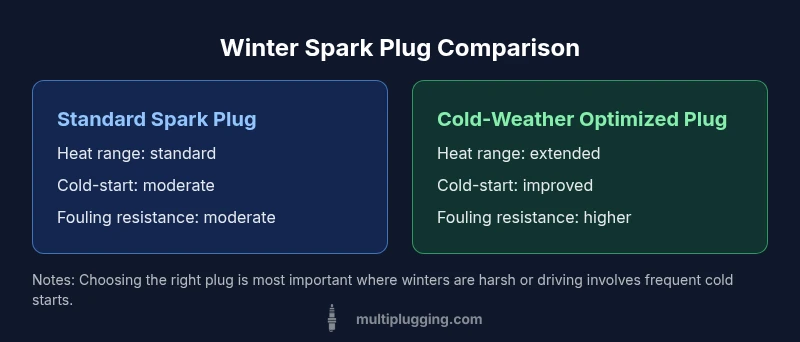
| Feature | Standard Spark Plug | Cold-Weather Optimized Spark Plug |
|---|---|---|
| Heat range | Standard heat range | Extended/colder-winter friendly heat range |
| Cold-start performance | Moderate reliability | Improved cold-start ignition |
| Fouling resistance | Moderate | Higher resistance in damp winter air |
| Best use case | General climates | Harsh winters or frequent short trips |
| Lifespan (general guidance) | Similar service life | Comparable or improved lifespans with winter use |
| Price range | $2-8 | $6-15 |
Strengths
- Improved cold-start reliability with the right heat range
- Better fouling resistance in damp cold conditions
- Quicker light-off on winter mornings
- Potentially smoother idle during periodic winter drives
Negatives
- Higher upfront cost for winter-optimized plugs
- Not all climates need winter-specific plugs
- Compatibility concerns with older ignition systems if mis-matched
Cold-weather plugs are beneficial in winter climates when correctly matched to engine design and driving patterns.
Choose plugs with an appropriate heat range for winter use, especially if you have frequent cold starts or short trips. In milder winters, standard plugs may suffice, but verify ignition reliability and light-off performance.
FAQ
Do cold weather conditions cause more spark plug fouling?
Yes, cold starts and damp winter air can contribute to fouling in some plug types if the heat range is not appropriate. Choosing the right plug helps maintain clean combustion and reduces deposit buildup during winter driving. Always inspect plugs after a cold-start heavy week of driving to determine if a heat-range adjustment is needed.
Winter conditions can increase fouling risk if the plug isn’t matched to winter use. Check your plugs after a cold week to decide if you need a different heat range.
Should I adjust spark plug gap for cold weather?
Gaps should generally follow the manufacturer’s specification. Some engines may benefit from a slightly different gap in extreme cold, but such changes should be tested carefully. If you encounter hard starting or misfires, consult your manual or a trusted guide before adjusting the gap.
Stick to the factory gap unless you notice starting problems, then check with a guide before changing it.
Are iridium plugs better than copper for cold weather?
Iridium plugs offer longevity and reliable ignition in many engines, including winter use, but the overall performance still depends on heat range and engine design. Copper plugs heat up quickly and can be forgiving in some winter conditions, but may wear faster. Choose based on your engine’s recommendations.
Iridium and copper have their own winter merits; pick what your engine specifies and how you drive in winter.
How can I diagnose winter misfires?
Start with a plug inspection for deposits and wear, then check the gap and heat range. If misfires persist, test ignition coils and wiring, and finally review the air-fuel mixture. Winter misfires often stem from cold starts and short trips, so focus on winter plug selection first.
Inspect plugs and gap first, then test ignition components and air-fuel mix if needed.
When should I replace spark plugs for winter?
Replace worn plugs before the coldest months begin if your driving pattern includes frequent winter starts. Use a heat range appropriate for winter conditions and ensure correct torque during installation. Seasonal replacement helps maintain reliable light-off and overall engine health.
Replace worn plugs before winter starts for best reliability; torque properly when installing.
Main Points
- Match heat range to winter use
- Prioritize proper gap for cold starts
- Consider winter-specific plugs for harsh climates
- Check ignition components if misfires persist
- Plan replacements before peak winter driving