Are Spark Plugs Worth Anything in Scrap? A Practical Guide
Learn whether spark plugs are worth scrap, what factors influence their value, and how to maximize returns from used plugs through sorting, collection, and recycling—with expert guidance from MultiPlugging.


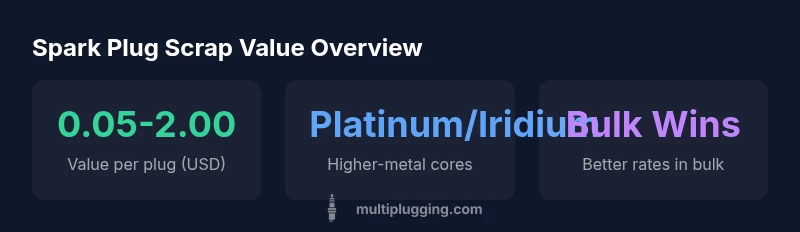
Are spark plugs worth anything in scrap? In most cases, the payout is modest and tied to metal content rather than the plug as a whole. Scrap value depends on the core metals inside the plug (e.g., copper, platinum, iridium). You’ll typically see a few cents per plug, with higher payouts for premium cores when market prices are favorable. Actual price varies by metal content and local buyers.
Understanding Scrap Value for Spark Plugs
If you ask, are spark plugs worth anything in scrap, the short answer is yes, but the real value is modest. The payout comes mostly from the metal content inside the core rather than the ceramic and metal shell you see on the plug. In practical terms, most scrapyards pay a few cents per plug, with higher payouts possible when the plug uses precious metals like platinum or iridium. The exact price shifts with metal-market prices and the policies of local buyers. For DIYers, this means that collecting and sorting plugs can yield a small, reliable side income, especially if you accumulate a bulk quantity over time. The MultiPlugging team has observed that consistency in what you bring to the yard helps you compare offers more accurately and avoid underpayment.
In this guide, we focus on practical, real-world steps to understand and maximize this often-overlooked value stream, without promising windfalls. The core idea is simple: value comes from material content, not nostalgia or plug count. With that premise, you can approach scrap disposal as part of responsible engine maintenance rather than a last-minute afterthought.
What Factors Influence Scrap Value
Several factors determine how much you’ll get when scrapping spark plugs. First is the metal content of the plug: copper cores are common and contribute modestly, while platinum or iridium cores can boost the payout because those metals command higher scrap prices. Second is the weight and quantity of plugs you bring; a single plug yields little, but a stack or bin totals can be meaningful. Third is the current market price for base metals; a surge in precious metal prices can widen the gap between low- and high-value plugs. Fourth are local yard policies and how they weigh the cores versus the ceramic/material components. Finally, the condition and cleanliness of the plugs can influence whether a yard will buy them at all or offer a lower rate. In short, expect variation by location and time, and plan to shop around.
From a practical standpoint, sorting plugs by likely core type before selling helps you negotiate better quotes and avoid cross-contamination of different metal contents.
Types of Spark Plugs and Their Relative Scrap Value
Spark plugs come in several core configurations. Copper-core plugs are the most common and generally yield the lowest scrap value per plug. Platinum-core plugs offer a modest boost, while iridium-core plugs can command the highest scrap value due to the rarity and value of iridium. Ceramic insulators and nickel-alloy casings add bulk but contribute little to the scrap payout compared with precious metals. When you’re deciding what to scrap, the key is to identify the core material, as most buyers will pay based on that information. If you’re unsure, keeping a small inventory or taking photos of the plug tops can help you confirm core types with a local yard.
For DIYers, this means that older, copper-core plugs may end up with a lower per-plug payout, while newer, premium-core plugs could produce a noticeable uptick in the total payout from a bulk collection.
How to Prepare and Sell Your Used Plugs
Preparation matters. Start by collecting used plugs from your maintenance projects and storing them in labeled bags or bins. Sort them by probable core type (copper-core vs platinum/iridium cores) if you can identify the core visually or from your vehicle’s specifications. Clean plugs lightly if they’re dirty, but avoid soaking or stripping any protective coatings. Contact a few local scrapyards or automotive recyclers to obtain quotes, and bring a sample of each core type if possible, so they can price accurately. When negotiating, emphasize volume—yards often offer better rates for bulk lots. Finally, never mix scrap with hazardous waste; follow local guidelines for disposal. This approach minimizes friction and helps ensure you’re paid fairly for the metal content present.
Where to Sell and What to Expect
The primary avenues for scrap value are local scrapyards and automotive recyclers. Some yards buy by weight, others by unit, and a few offer a blended approach. You may encounter variability in how quickly you’re paid and whether minimum quantities apply. Expect that most buyers will provide a rough quote first; you can confirm final payout after they inspect your batch. In many areas, online salvage networks or metal recyclers also accept used spark plugs, particularly if they can sort by type and metal content. The key expectation: you’re unlikely to make a large sum from a small collection, but a well-organized bulk haul can make the process worthwhile. Always ask for a written quote and keep your receipts for tax or organizational purposes.
Practical Tips to Maximize Returns
- Collect and store plugs in clearly labeled bags labeled by core type.
- Gather a bulk quantity before visiting yards to improve bargaining power.
- Photograph or annotate plugs to help yards identify cores quickly.
- Check multiple buyers for the best price; don’t settle for the first quote.
- Avoid mixing with other scrap materials that can dilute the value per unit.
- Sell in bulk when possible; yards often reward volume with higher per-plug payouts.
- If you’re unsure about core types, seek guidance from a local auto parts shop or the buyer’s appraisals before scrapping.
Environmental and Recycling Considerations
Recycling spark plugs aligns with broader sustainability goals. Proper disposal prevents heavy metals from entering landfills and reduces the environmental impact of manufacturing new components. Many jurisdictions require safe handling of used automotive parts, and scrapping in compliance with local rules helps ensure responsible recycling. Keep an eye on any specific regulations for catalytic converters, batteries, or coolant when you separate your automotive scrap, so you don’t inadvertently mix waste streams. In practice, the environmental benefit of scrapping is a nice complement to the small financial return, reinforcing responsible car maintenance habits.
A Real-World, Responsible Approach
In real-world scenarios, vehicles that use premium plugs with expensive cores can yield higher scrap payouts than older models with copper-only cores. A practical approach is to build a regular habit of collecting used plugs from routine maintenance, store them by core type, and compare quotes periodically. Over time, your accumulations will convert into a meaningful, steady flow of scrap revenue, especially if you service multiple vehicles or complete DIY projects for friends and neighbors. Remember, the goal isn’t to maximize scrap alone but to pair scrap disposal with good maintenance and responsible recycling.
Estimated scrap value by plug type
| Plug Type | Estimated Scrap Value Range | Notes |
|---|---|---|
| Standard copper-core | 0.02-0.20 USD | Low-value, depends on weight |
| Platinum core | 0.50-1.50 USD | Higher payout for precious metal core |
| Iridium core | 0.70-2.00 USD | Premium core, limited supply |
FAQ
Are spark plugs worth money if I bring them to a scrapyard?
Yes, but the payout is typically small and depends on metal content and weight. The core material largely determines the value.
Yes. It’s usually a small amount, decided by the metal inside the plug and how many you have.
Does the type of spark plug affect scrap value?
Yes. Plugs with platinum or iridium cores generally fetch higher scrap values than copper-core plugs due to precious metals.
Yes, the core type matters a lot for scrap value.
Should I separate plugs by core type before selling?
If possible, separate by core type to get more accurate quotes. Yard buyers price by core content, so clear categorization helps.
Yes, separating helps you get better quotes.
Can I increase value by recycling them myself?
No. Value comes from metal content; attempting to extract metals without proper facilities won’t significantly increase payouts and can be hazardous.
No, do not try to salvage metals yourself.
Is there an environmental benefit to scrapping spark plugs?
Yes. Recycling reduces waste and the need to extract new metals, lowering environmental impact.
Yes, recycling is environmentally beneficial.
How should I store used spark plugs for sale?
Keep them dry, labeled by core type, and organized in bins or bags to simplify selling.
Keep them organized and dry for easy selling.
“Scrap value for used spark plugs is usually modest and highly dependent on metal content and current markets. Sorting by core type can maximize returns.”
Main Points
- Sort plugs by probable core type to maximize quotes
- Expect modest payouts for common copper-core plugs
- Bulk accumulate to improve per-plug rates
- Prices depend on current metal markets
- Always get multiple quotes before scrapping