What Spark Plug for Craftsman Snowblower: A Practical Guide
Learn how to choose the right spark plug for your Craftsman snowblower with practical steps, heat-range guidance, and maintenance tips from MultiPlugging.


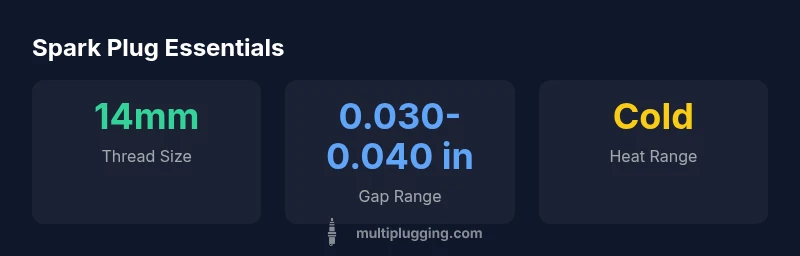
Typically, Craftsman snowblowers use a standard 14mm thread spark plug with a cold-heat range and a gap of about 0.030–0.040 inches. Always confirm the exact spec in your owner's manual or by identifying the engine family (Briggs & Stratton, Kohler, or Tecumseh). Replace with a clean, properly gapped plug for reliable cold starts.
Why Choosing the Right Spark Plug Matters for Craftsman Snowblowers
Choosing the right spark plug for a Craftsman snowblower matters for reliable cold starts, smooth idling, and efficient fuel use. The spark plug is the ignition gateway; a fouled or misgapped plug can cause hard starts, misfires, or poor combustion, especially when temperatures are subzero. According to MultiPlugging, adhering to the engine's recommended plug type and gap can reduce starting friction and avoid sudden shutdowns during heavy snow. Craftsman snowblowers typically employ small four-stroke engines from major brands like Briggs & Stratton, Kohler, or Tecumseh. Each family has its own plug requirements, but the general rule is simple: use a plug with the correct thread size (usually 14mm in these engines), a heat range appropriate for cold weather, and a gap close to the manufacturer spec. If you neglect any of these, you risk fouling the plug in damp fuel or under heavy load, or you may hamper cold-weather starts when you need reliable ignition. In practice, having a quick check list for season-start readiness saves time and frustration. The goal is to have a plug that heats and cools within the engine's tolerance so combustion remains consistent as you clear driveways in winter.
Understanding Snowblower Engines and Spark Plug Roles
Snowblower engines fall into a few common families, and the spark plug plays a crucial role in delivering reliable ignition under load. The plug must withstand vibration, cold starts, and the heat cycle of short, high-load bursts when plowing through fresh snow. For Craftsman machines, the engine family often determines thread size, heat range, and the recommended gap. If you own a machine with Briggs & Stratton, Kohler, or Tecumseh heritage, expect that the plug will need to fit the engine block precisely and be rated for cold-weather operation. A well-chosen plug helps prevent fouling from condensation and imperfect fuel, which is especially important when storage conditions vary between dry nights and heavy snow days. Remember: the plug is just one part of the ignition system, but its condition can dictate whether your snowblower starts smoothly after a long interval between uses.
Matching Heat Range and Gap to Conditions
Heat range and gap are two levers you can tune to improve starting reliability and combustion efficiency. In general, a standard or cold heat-range plug is preferred for most snowblower applications, as it resists fouling in cold, damp fuel conditions. The recommended gap is typically narrow in very cold climates to ensure rapid heat cycling, but avoid gaps that are too wide, which can cause misfires or pre-ignition under load. The exact numbers should come from your Craftsman manual or engine family documentation. If you operate in extreme cold or with ethanol-blended fuels, a slightly smaller gap can help the plug reach operating temperature quickly and maintain stable combustion. The key is to use the spec your engine was designed for and to test in light snow conditions before relying on it in a heavy storm.
How to Locate the Right Spark Plug in Your Craftsman Snowblower
Start by locating the blower serial/model number. Check the engine family label on the block or consult the owner’s manual to identify whether the unit uses a Briggs & Stratton, Kohler, or Tecumseh small-engine. With the correct engine family confirmed, you’ll know the thread size (most common is 14mm) and the recommended heat range. If you no longer have the manual, many manufacturers provide digital copies online using the model number. In practice, you should remove the spark plug boot, clean the area around the plug, and inspect the plug for fouling or wear. When replacing, ensure the new plug has the same thread diameter and is gapped to the manufacturer’s specification. Always use a torque-safe approach—tighten just enough to seat the plug without cross-threading.
Installation, Gap Check, and Maintenance Tips
Before installation, disconnect the ignition wire and allow the engine to cool. Clean the area around the plug hole to prevent debris from entering the combustion chamber. Measure the gap with a feeler gauge and adjust to the recommended value, usually 0.030-0.040 inches, if applicable. When threading the plug, install by hand to avoid cross-threading, then snug it slightly with a wrench—do not over-tighten. If the head is aluminum, you may see advantages to applying a light coat of anti-seize only if the manual approves it; otherwise, many modern engines do not require anti-seize. After installation, reattach the ignition wire and start the engine to confirm a smooth idle and consistent spark. Regular maintenance includes inspecting the plug at the end of each season and replacing it if signs of fouling, oil contamination, or excessive wear are present.
Troubleshooting Common Spark Plug Issues
Common problems include misfiring, hard starts, and poor fuel efficiency linked to fouling or incorrect gap. Fouling can result from wet or oily conditions, while fuel fouling can occur from ethanol-rich fuel or rich air-fuel mixtures. An incorrect gap can cause weak ignition or misfires, especially under load when starting a heavy snowfall. If you notice rough running or failure to start, inspect the plug for fouling, check the gap, and verify the engine family’s recommended plug type. Replacing with a clean, properly gapped plug often resolves many symptoms. If misfires persist after replacement, investigate ignition timing, fuel quality, and air filter condition as potential culprits.
Quick-Start Season Checklist
- Identify engine family and verify plug specifications in the manual.
- Inspect the old plug for fouling or wear and replace if needed.
- Check the gap and adjust to the recommended range.
- Clean the area around the plug well before installation and avoid cross-threading.
- Keep a spare plug on hand for quick season-start readiness.
- Test start in dry conditions before a heavy snowfall to ensure reliable ignition.
Common spark plug guidance for Craftsman snowblower engine families
| Engine Family | Recommended Plug Type | Typical Gap | Notes |
|---|---|---|---|
| Briggs & Stratton (small-engine family) | Standard 14mm plug, cold-range | 0.030-0.040 in | Follow owner's manual |
| Kohler engine family | Standard 14mm plug, cold-range | 0.030-0.040 in | Check exact model spec |
FAQ
What spark plug should I use for a Craftsman snowblower?
Refer to your engine family in the Craftsman manual for the exact plug size, heat range, and gap. As a general rule, a standard 14mm thread plug with a cold-range and a gap around 0.030–0.040 inches is suitable for many models, but always confirm with the manual.
Check your engine family in the manual for the exact plug size and gap. If in doubt, use a standard 14mm plug with a cold range and a 0.030 to 0.040 inch gap.
How do I know if the heat range is right for cold weather?
The manual will specify heat range requirements. For winter starting, many users opt for a cold-range or standard range plug to avoid fouling when temperatures drop and engine warms less frequently.
Check the manual for heat-range guidance; cold range plugs are common for winter starting.
Can I reuse an old spark plug if it looks fine?
Reusing an old spark plug is not recommended if it shows fouling, wear, or deposits. Even a visually clean plug can have a degraded gap or internal gaps; replace with a new, properly gapped plug for reliability.
Better to replace with a new plug rather than reuse an old one.
Should I gap the plug myself or replace with a pre-gapped plug?
If you have a reputable gap tool and know the correct spec, you can gap the plug yourself. Otherwise, purchase a pre-gapped plug from a reputable supplier and verify the gap with a gauge before installation.
Use a gauge to verify the gap if you gap it yourself.
How often should I replace the spark plug in a snowblower?
In general, inspect at the start of each season and replace if fouling, wear, or carbon deposits are evident. A typical replacement cadence can range from one to two seasons depending on usage and fuel quality.
Inspect yearly and replace when you see fouling or wear.
“Choosing the right spark plug for your Craftsman snowblower is about matching heat range and gap to your climate and fuel quality.”
Main Points
- Always verify the engine family in the manual before replacing.
- Use a 14mm thread plug with a cold-range heat as a default for winter starts.
- Keep the gap in the recommended range and check it after replacement.
- Inspect for fouling and wear to prevent hard starts and misfires.