Denso Platinum TT Spark Plugs Review: Longevity, Performance, and DIY Guidance
An in-depth review of Denso Platinum TT spark plugs, exploring longevity, ignition performance, installation tips, and how they compare to copper and iridium options for modern engines and DIY maintenance.


According to MultiPlugging, the denso platinum tt spark plugs deliver durable ignition for a wide range of modern engines, combining long life with reliable cold starts. They use platinum-tipped electrodes arranged in a twin-tip design to enhance combustion stability, making them a solid choice for drivers who value longevity and steady performance. This review dives into fitment, performance, and value.
What Are Denso Platinum TT Spark Plugs?
Denso Platinum TT spark plugs are a platinum-tipped, twin-tip design engineered to deliver reliable ignition across a broad range of gasoline engines. The platinum center electrode reduces wear, while the twin-tip ground electrode helps sustain a strong spark across heat ranges and RPMs. For many owners, these plugs promise longer service life and smoother operation compared with traditional copper plugs. The 'TT' designation typically signals a specialized twin-tip geometry designed to improve combustion stability, especially in engines with advanced ignition systems or higher compression. In practice, fitment and performance depend on the engine's design, the ignition system, and adherence to the manufacturer’s service intervals. When choosing spark plugs, consider OEM recommendations, vehicle age, and driving style. In this review, we examine fitment, real-world performance, and value for the Denso Platinum TT line against common alternatives like copper and iridium variants.
How Platinum TT Design Impacts Longevity and Performance
Platinum resists electrode erosion better than copper, which helps maintain the original gap and spark quality over time. The TT twin-tip design distributes thermomechanical stress more evenly across the electrodes, reducing peak wear on the center and ground electrodes. In engines with modern ignition systems, this translates into more reliable ignition at higher temperatures and RPMs, and a smoother idle as the spark is less prone to misfire. Platinum is also chemically stable in the presence of high exhaust gas temperatures, contributing to consistent performance across a wide operating window. The design aims to balance longevity with efficient combustion, though actual gains depend on the engine's compression, fuel quality, and maintenance history. While not a cure-all for poor maintenance, platinum TT plugs tend to outperform older copper equivalents in engines designed for modern spark reliability.
Fitment, Vehicle Coverage, and Choosing the Right Gap
Before you buy, verify compatibility with your vehicle's engine code and model year. Denso's official cross-reference guides and vehicle fitment charts help ensure you select the correct platinum TT variant for your engine. If in doubt, consult your owner's manual or a trusted repair manual. Many modern engines use a fixed pre-set gap at the factory; in those cases, you should not attempt to re-gap, as altering the gap can degrade performance or cause misfires. If your engine requires an OEM-equivalent gap, use the factory specification and torque guidance from the service manual. When replacing, inspect surrounding components—coil packs, ignition wires, and the ignition coil—to isolate misfire causes beyond the spark plug itself. Finally, consider replacing spark plugs in matched pairs to maintain even compression and ignition across cylinders.
Real-World Performance: Acceleration, Throttle Response, and Cold Starts
In everyday driving, many owners report that Denso Platinum TT plugs provide a crisp throttle response and steady idle, particularly in cars with modern fuel delivery and ignition systems. The twin-tip geometry can help sustain a strong spark during cold starts, contributing to quicker, more reliable starts in cooler weather. On turbocharged or high-compression engines, improved spark stability can translate into more predictable combustive events, reducing stumble at mid-range throttle. However, the perceived gains are highly engine-dependent; older vehicles or engines tuned for copper plugs may see only marginal improvements. For most drivers, the benefit lies in smoother operation, reduced misfires, and a longer consistent burn over time rather than a dramatic horsepower boost.
Installation Tips and Common Pitfalls
Prepare with the right tools: a spark plug socket, extension, torque wrench, and a clean workspace. Make sure the engine is cool before removal to avoid heat-induced shock to the threads. When removing old plugs, twist gently to avoid cross-threading and foulings. Start the new plug by hand to ensure the threads engage cleanly, then snug it with a torque wrench to the manufacturer's spec, without over-tightening. Do not assume anti-seize is required; many manufacturers discourage anti-seize on modern plugs because it can affect torque readings and create a risk of over-tightening. If you feel any resistance, stop and re-check alignment. Finally, replace gaskets/washers as needed and reconnect ignition components in the proper order. If one cylinder shows signs of misfire after installation, re-check the plug seating and gap before diagnosing the ignition coil or wires.
Maintenance and Longevity: When to Replace
Platinum TT plugs typically offer longer intervals than copper plugs due to improved electrode wear resistance, but exact replacement timing depends on driving style, fuel quality, and engine design. If you notice rough idling, misfires, or a check-engine light during acceleration, it may be time to inspect the plugs. Regular visual inspections can spot fouling from oil or coolant leaks, which may shorten plug life. In addition to swaps, ensure you follow you vehicle's maintenance schedule and use high-quality fuels and detergents to minimize fouling. According to MultiPlugging analysis, platinum-tipped designs often outlast copper varieties under typical driving conditions, though results vary by engine design and maintenance history.
How Denso Platinum TT Compares to Other Plugs
The primary advantage of platinum TT plugs is longevity and stable ignition across a broad operating window. They generally cost more upfront than copper plugs, but their lifespan and reliability can offset the higher price for daily drivers and enthusiasts who value fewer plug changes. Compared with iridium variants, platinum TT plugs may offer similar or slightly longer life in certain engines due to electrode geometry, while providing robust cold-start performance. In performance-focused builds, users might experiment with iridium or platinum-iridium designs, but for many factory-equipment engines, platinum TT plugs hit a favorable balance between durability and cost. Your decision should consider engine compatibility, maintenance habits, and ownership costs over the life of the vehicle.
Common Misconceptions and Myths
A common assumption is that higher price equals automatic performance improvement. In reality, the benefit depends on engine design and maintenance; a more expensive plug will not fix a worn ignition coil or leaky seals. Another myth is that platinum plugs cannot foul; while they resist wear better, they can still foul if oil or fuel control systems are failing. Finally, some owners believe that replacing plugs with the same brand guarantees a perfect match; cross-reference charts and OEM specs should guide replacements rather than brand alone. The goal is reliable ignition and consistent burn, not magic performance boosts.
How to Confirm You Need Spark Plugs Replacement
Diagnosing spark plug wear starts with symptoms: rough idle, misfires, or reduced fuel efficiency. If the check engine light illuminates with misfire codes, inspecting the plugs is a logical next step. Visually inspect the plugs for signs of wear, oil fouling, or heavy carbon buildup. You can test ignition using a spark plug tester or a professional diagnostic tool to assess spark quality across cylinders. Always replace plugs in matched pairs or as recommended by the OEM, and reset the ECU after installation to ensure correct fuel trim. If in doubt, consult a qualified technician; spark plug replacement is a relatively straightforward maintenance task for many DIY enthusiasts when proper safety practices are observed.
Strengths
- Longer life than copper plugs under typical conditions
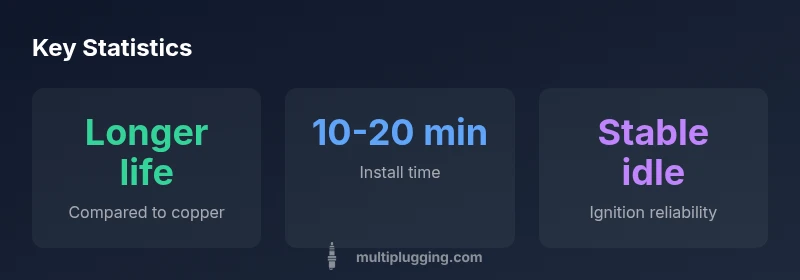
- Reliable ignition and stable idle for modern engines
- Wide vehicle compatibility and OEM fit guidance
Negatives
- Higher upfront cost than copper plugs
- May not provide noticeable gains on older engines tuned for copper
- Not the cheapest replacement option
Balanced choice for longevity-focused engines and daily drivers
For most modern engines, Denso Platinum TT plugs offer reliable ignition and longer life than copper plugs. The upfront cost is higher, but the long-term durability justifies the investment for enthusiasts and daily drivers alike. The MultiPlugging team reinforces this as a sensible, longevity-oriented option.
FAQ
Are Denso Platinum TT spark plugs compatible with my vehicle?
Compatibility depends on your engine model and year. Use OEM specs or cross-reference guides to confirm the exact platinum TT variant for your vehicle.
Most modern engines can use these plugs if they match the OEM spec; always check your manual.
Do I need to gap these plugs?
In most cases, the gap is pre-set by the manufacturer. Do not re-gap unless the OEM specifies a different setting.
Usually no gap adjustment needed; follow the factory spec.
Are platinum TT plugs better than copper or iridium plugs?
Platinum TT emphasizes longevity and reliable ignition; iridium variants may offer slight performance differences in some engines, but copper plugs wear faster and need more frequent changes.
Platinum TT is typically more durable; iridium can be better in some engines, but it depends on design.
What maintenance is required after installation?
Inspect for fouling and misfires, follow the vehicle’s service schedule, and replace in matched pairs when needed.
Keep an eye on misfires and rough running; replace as recommended.
How long do Denso Platinum TT spark plugs last?
Life varies with driving style, fuel quality, and engine design. Platinum generally lasts longer than copper plugs but exact mileage depends on use.
They usually last longer than copper plugs, but it depends on how you drive and maintain the engine.
Should I replace spark plugs in pairs or all at once?
Replacing in pairs or all plugs at once helps maintain balanced ignition and performance across all cylinders.
Usually best to do them in pairs or all at once for even performance.
Main Points
- Verify fitment and OEM gap before purchase
- Platinum TT plugs offer longer life and steady ignition
- Replace in pairs to maintain balanced performance
- Follow OEM torque specs and avoid over-tightening
- Use a spark plug tester to confirm ignition quality