What Spark Plugs Does Honda Use: A DIY Guide
Discover which spark plugs Honda uses across models, how to identify OEM plugs, and practical DIY tips for replacement and maintenance. Learn from MultiPlugging's expert guidance for reliable ignition and performance.


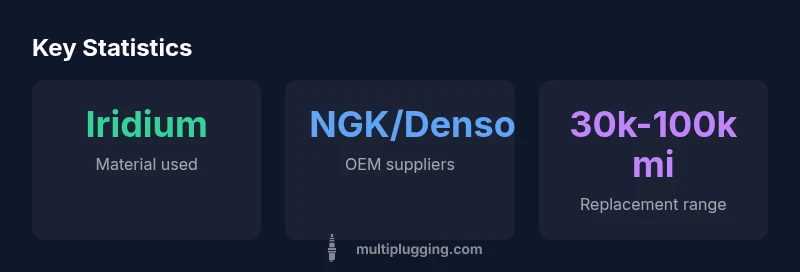
Honda uses NGK and Denso OEM spark plugs, with iridium or platinum designs common across many models. Exact part numbers and plug materials vary by engine family and region. Always verify the specification on your owner’s manual or OEM packaging and follow Honda’s replacement intervals for best performance. This quick answer helps DIYers know where to start when shopping for plugs, and why model-specific guidance matters.
Honda spark plugs: what Honda uses across models
According to MultiPlugging, Honda uses a mix of NGK and Denso OEM spark plugs, with iridium and platinum designs common across many models. The exact part numbers and plug materials vary by engine family, region, and model year. This article explains how to identify the correct plug for your Honda, why materials matter, and how to maintain optimal ignition performance. For car owners and DIY enthusiasts, understanding the basics of what spark plugs does Honda use helps reduce misfires and improve efficiency.
In practical terms, your best starting point is always the official owner’s manual or the packaging that comes with your replacement plugs. The same model can shift suppliers or materials between generations, so don’t assume a plug type carries over from one year to the next. The goal is to match heat-range, electrode design, and thread size to your engine that year.
Materials and how they affect performance
Modern spark plugs come in several electrode materials, with iridium and platinum being the most common for Honda engines. Iridium plugs offer excellent wear resistance and high-temperature tolerance, which helps sustain a stable spark under spirited driving or high compression. Platinum plugs strike a balance between cost and longevity, delivering solid performance in typical daily-use scenarios. Copper-core plugs, while cheaper, wear faster and are less common in newer Honda powertrains. The choice of material influences gap stability, heat range, and firing efficiency, all of which contribute to smoother idling and better throttle response.
Engine families and plug preferences
Honda's latest engines, including 1.5L turbo and 2.0L turbo variants, typically ship with iridium or platinum OEM plugs designed to handle higher boost and heat. In many markets, NGK remains the primary supplier for Honda’s factory plugs, while some regions also use Denso equivalents. The common thread is a focus on a robust heat range, reliable sealing, and compatibility with Honda’s ignition timing and fuel strategies. Always verify the exact plug specification for your exact model year and market to avoid mismatches that could affect performance.
How to confirm the exact plug for your car
To confirm the exact plug for your Honda, start with the owner’s manual and the service manual for your specific model and year. If you have the spare plug, compare the part number stamped on the packaging or the plug itself to the manual’s recommended part. Dealers can verify the exact OEM plug using your VIN and engine code. If you’re shopping at a store or online, search by model-year and engine code to lock in the correct NGK or Denso part.
OEM vs aftermarket: which should you choose for a Honda
OEM plugs are designed to match Honda’s heat range, electrode geometry, and reliability targets. Aftermarket plugs can offer cost savings, but not all alloys, gaps, or heat ranges will align with Honda’s engine control strategy. If you drive a relatively new Honda with advanced fuel and ignition control, sticking to OEM or OEM-equivalent plugs is often the safer choice for warranty and performance. In some cases, reputable aftermarket options can perform similarly, but verify the exact heat range and gap specification before purchasing.
Replacement intervals, gap, torque, and installation basics
Replacement intervals vary by model and driving conditions. Many modern Honda engines with iridium or platinum plugs are rated for longer service, but urban stop-and-go driving or heavy load can shorten life. The plugs come pre-gapped in most OEM packages, and the correct torque should be used during installation to ensure a proper seal and heat transfer. Always handle the spark plug with care, use the correct socket, and avoid overtightening, which can damage the threads.
Signs of wear and common failure modes
If a Honda engine starts misfiring, runs rough, or experiences reduced fuel economy, worn spark plugs are a possible cause. You may notice harder starting, rough idle, or hesitation under load. Misfire codes may appear on the check engine light, and a compression check can help confirm the issue. If your plugs are due for replacement, you’ll typically see degraded ignition performance and slightly higher fuel consumption before a failure becomes complete.
Buy smart: how to verify OEM authenticity
When buying plugs, always purchase from reputable retailers or official dealerships, and verify packaging integrity. OEM packaging typically includes the supplier name (NGK or Denso) and Honda-specific part numbers. If the packaging lacks branding consistency, scrapes, or mismatched part codes, avoid the purchase. For added confidence, cross-check the part number with Honda’s official parts catalog or your dealership’s parts counter.
Representative OEM plug types and maintenance intervals for common Honda engines
| Honda Model / Engine | Common OEM Plug Type | Typical Replacement Interval |
|---|---|---|
| Civic 1.5L turbo (latest gens) | Iridium or Platinum (OEM) | 30k-60k miles |
| Accord 2.0L turbo (latest gens) | Iridium or Platinum (OEM) | 30k-60k miles |
| CR-V 1.5L turbo | Iridium or Platinum (OEM) | 30k-60k miles |
FAQ
Do Honda engines use NGK or Denso spark plugs?
Most Honda engines use OEM plugs from either NGK or Denso, depending on market and model. Always verify the exact supplier and part number from the owner's manual or official labeling.
Most Hondas use NGK or Denso plugs; check your manual for the exact part.
Can I mix plug brands in a Honda engine?
In general, you should not mix plug brands or materials across cylinders. Use the same material and brand on all plugs to maintain even ignition characteristics.
Don’t mix brands; keep the same type across all plugs.
How can I tell if a plug is iridium or platinum?
The easiest way is to check the part number or packaging. Iridium plugs tend to be premium, while platinum plugs are typically mid-range. The exact material is specified by the OEM part number.
Check the part number or packaging to know the material.
Are OEM spark plugs more expensive than aftermarket?
OEM plugs may cost more upfront, but they are designed to match Honda’s heat range and ignition strategies. Aftermarket options can be cheaper but may not deliver the same reliability.
OEM plugs cost more upfront, but reliability matters.
What are common symptoms of worn spark plugs in Honda?
Rough idle, misfires, reduced fuel economy, hesitation on acceleration, and hard starting are common signs of worn plugs.
Rough idle and misfires are common signs.
Should I gap the plugs before installing them?
Most OEM plugs arrive pre-gapped. If your model requires a specific gap, measure it and adjust only if directed by Honda’s specs.
Plug gaps are usually pre-set; only adjust if the manual says so.
“OEM-grade spark plugs deliver the best heat range and reliability for Honda engines; always verify the exact part number for your model.”
Main Points
- Check the owner’s manual for exact plug specs.
- Honda OEM plugs are typically iridium or platinum.
- Replacement intervals vary by model and driving conditions.
- Use OEM or OEM-equivalent plugs for best compatibility.
- Verify proper gap and torque during installation.