Is My Spark Plug Bad? Troubleshooting Guide 2026
Is my spark plug bad? This urgent, practical guide helps you diagnose fouling, wear, and misfire symptoms, test for spark, and replace worn plugs to keep your engine healthy. Learn fast with clear steps from MultiPlugging.


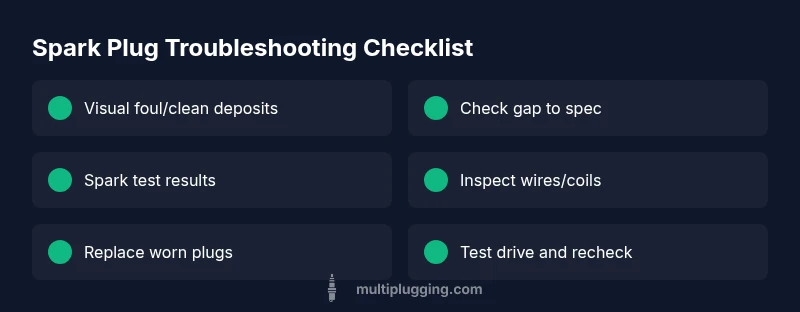
Is my spark plug bad? The most common cause is fouling or wear. Do a quick visual check for oil, carbon, or wet fouling, then verify the plug gap with a feeler gauge. Test for a spark with a simple screwdriver-spark test and inspect the ignition wires. If you see heavy wear, cracks, or damage, replace the plug and re-test.
What 'Is My Spark Plug Bad' Really Means
Is my spark plug bad? According to MultiPlugging, a failing spark plug often whispers through engine symptoms long before the car stops. The phrase is a prompt to diagnose ignition health, starting with the plug itself and expanding to wires, coil packs, and even the fuel-air mix. In practice, the quickest path is to confirm whether the plug is fouled, worn, or improperly gapped, then decide whether a simple replacement resolves the issue or a broader ignition service is needed. This guide helps you run a practical, safety-conscious check so you can decide quickly if you should swap the plug today or keep testing. By focusing on the plug and its immediate surroundings, you minimize time and risk while preserving engine performance. If you’re asking 'is my spark plug bad', you’re really trying to verify ignition health before it leaves you stranded.
Common Symptoms That Signal a Bad Spark Plug
A bad spark plug often shows up as irritants you can feel or hear in daily driving. Rough idle, engine misfires, hesitation during acceleration, or a lack of power under load are the most common clues. You may notice the engine shakes or stalls at stoplights, especially after cold starts. A dip in fuel economy is another red flag; if you’ve noticed you’re visiting the gas station more often without a change in driving habits, a spark plug problem could be involved. In many cars, a misfire triggers the check engine light, sometimes with a specific misfire code. Remember: symptoms can be caused by other ignition components, but a failing plug is a frequent culprit.
Visual and Mechanical Clues: Fouling, Wear, and Cracks
Visual inspection can save you time. Carbon fouling appears as dry, sooty black deposits on the electrode; oil fouling shows a shiny, oily coat indicating lubrication or piston-ring issues; wet fouling can mean flooding or excessive fuel. A cracked ceramic insulator, melted electrode, or melted tip is a definite sign to replace. While the plug looks okay, the resistance of the center electrode and the ground electrode can still be out of spec; in that case, testing with a plug-t tester or using a professional gap tool is helpful. Finally, check the plug boot and wire for heat damage or cracks; a good plug relies on solid electrical connections.
Quick Electrical Checks You Can Safely Perform
First, ensure you’re working in a ventilated area and disconnect the battery to avoid shock. Remove the spark plug boot and inspect the boot for cracks. If you have a spark tester, perform a spark test by grounding the tester and cranking the engine to observe a strong blue spark. If you don’t have a tester, you can borrow from a neighbor or a shop—do not improvise a spark test with metal tools. Check the ignition wires for wear with a visual check and gently wiggle each wire to see if the plug loses spark. Finally, measure the coil resistance with a multimeter if you have the tools and knowledge to do so.
Diagnostic Flow: Symptom to Diagnosis
Start with the symptom you observe (misfire, rough idle, hard start) and inspect the plug for fouling or wear. If the plug shows oil or heavy fouling, plan for replacement and investigate engine oil control. If the plug looks clean but the gap is off, re-gap to the manufacturer’s spec and re-test. If the spark looks strong, expand the check to ignition wires and coils. If ignition tests pass, the issue may lie with the fuel system or compression. The flow keeps you moving toward a solid conclusion without wasting time on guesswork.
Step-by-Step Fix for the Most Common Cause
Step 1: gather your tools, including a spark plug socket, torque wrench, gap gauge, anti-seize (if recommended), and a replacement plug set. Step 2: disconnect battery, remove the old plug, and inspect the tip. Step 3: if fouled, clean or replace the plug; set the gap to spec. Step 4: reinstall by hand, then torque to manufacturer’s specification. Step 5: reconnect wiring harnesses and boots. Step 6: start the engine and check for smooth operation; take a short test drive. Step 7: if misfire persists, recheck other ignition components and fuel system.
Prevention and Maintenance
Plan ahead with a maintenance schedule aligned to your spark plug type and vehicle. Replace plugs at the manufacturer-recommended interval, or early if you notice symptoms. Use the correct heat range and torque when installing new plugs; too loose can cause thread damage, too tight can crack the insulator. Keep the ignition system clean by replacing worn wires and verifying coil operation. Finally, use a high-quality fuel and air filter to reduce fouling and deposits, and re-gap plugs only if you are sure you can maintain precise gaps.
When to Seek Professional Help
Engines are complex; if you’ve replaced plugs and the problem persists, or if you lack the tools to perform a safe spark test, contact a qualified technician. If you hear knocking or abnormal noises after installing plugs, or if your check engine light remains on after replacement, professional diagnostic work is advisable. In some engines, a single faulty plug can mask multiple ignition problems; a pro can test compression, timing, and ignition coils to pinpoint issues beyond the plug.
Steps
Estimated time: 60-90 minutes
- 1
Prepare safely and gather tools
Park on a flat surface, disconnect the battery, and gather a spark plug socket, gap gauge, feeler gauges, multimeter, spark tester, and replacement plugs.
Tip: Always wear eye protection; high voltage ignition can surprise you. - 2
Locate the correct spark plug(s)
Consult your owner’s manual or the spark plug chart for the correct location and type for your engine. Label wires so you know which plug goes where.
Tip: Keep track of wire order to avoid misfiring after reassembly. - 3
Inspect plug condition visually
Remove the plug and check for oil, fouling, or cracks on the insulator. Note color and deposits.
Tip: Oil fouling indicates engine issues beyond the plug; don’t ignore it. - 4
Measure and adjust the gap
Use a gap tool to measure the electrode gap; compare to the OEM spec and adjust if safe to do so.
Tip: Over-tightening can damage the electrode or threads. - 5
Spark test and wire check
Ground the plug body and observe spark while cranking. Inspect/repair spark plug wires for wear.
Tip: Do not test near fuel or open flame. - 6
Replace worn or fouled plugs
Install new plugs as recommended by the manufacturer; torque to spec.
Tip: Use anti-seize only if recommended by manufacturer; otherwise skip. - 7
Reinstall, reconnect, and test drive
Reconnect components, start the engine, and take a short test drive to confirm smooth running.
Tip: If misfire persists, revisit ignition components and fuel system.
Diagnosis: Engine shows misfire, rough idle, or hard starting when accelerator is pressed.
Possible Causes
- highFouled plug or worn electrode
- mediumOil-fouled plug due to worn piston rings
- mediumWeak ignition wires or coil
- lowIncorrect plug gap
- lowFuel system or compression issue (less common)
Fixes
- easyClean or replace the plug; re-gap to spec
- mediumRepair oil control issue or replace rings if oil fouling is severe
- mediumTest and replace worn ignition wires or coil packs
- easyAdjust plug gap to manufacturer spec using a feeler gauge
- hardAddress fuel/EFI tuning or perform compression test if needed
FAQ
What are the signs that a spark plug is bad?
Common signs include rough idle, misfires, hard starting, reduced power, and poor gas mileage. Visual checks may reveal oil or carbon fouling on the electrode.
Look for rough running and misfires; visible fouling can indicate a bad plug.
Can a bad spark plug cause engine misfires?
Yes. A failing plug can cause misfires, especially under load. Replacing the plug often resolves the issue, but wires and coils should be checked if misfires persist.
A bad plug can cause misfires; replacement helps, but other ignition parts may be involved.
Should I replace all plugs at once?
If your engine has many miles or one plug shows wear, replacing all plugs at once ensures consistent performance and avoids future failures.
If one plug is bad, others may be near end of life; consider replacing them together.
How do I test for spark at home?
Use a spark tester or a grounded screwdriver tool and observe a strong blue spark while cranking. If the spark is weak or inconsistent, ignition components may need replacement.
You can test with a spark tester; strong blue spark means good ignition.
Is it safe to drive with a bad spark plug?
Driving with a known bad plug can damage the catalytic converter and other components. Minimize driving and fix promptly.
Avoid long drives if you suspect a bad plug; fix it soon.
What about spark plug wires and coils?
Worn wires or faulty coils can mimic plug problems. Inspect resistance and replace if tests indicate issues, not just the plug.
Wires or coils can cause symptoms; test and replace as needed.
Main Points
- Check for fouling indicators early
- Test for spark and verify gap before replacement
- Replace worn or fouled plugs promptly
- Regular maintenance prevents future issues