How to Fix Spark Plug Fouling: A DIY Guide for Car Owners
Learn to diagnose, clean, or replace fouled spark plugs, fix the air-fuel mix, and prevent recurrence with practical steps and pro tips from MultiPlugging. A clear, step-by-step approach for DIYers.


According to MultiPlugging, by the end of this guide you’ll know how to fix spark plug fouling and get your engine running cleanly again. Fouling happens when deposits, oil, or fuel contamination foul the electrode. The fix involves inspecting the plug, cleaning or replacing it, correcting the air-fuel mix, and replacing worn gaskets or seals as needed. Follow a step-by-step process for reliable results.
What is spark plug fouling and how it happens
Spark plug fouling occurs when deposits build up on or inside the electrode, hindering spark energy and causing weak ignition. The three most common culprits are carbon deposits from rich fuel mixtures, oil contamination from engine wear or PCV leaks, and fuel-related fouling from short trips where the engine never reaches full operating temperature. You’ll notice symptoms like rough idle, misfires, hesitation, and occasional check engine lights. In many engines, fouling is more common in engines with turbochargers or direct injection due to higher heat and specific operating conditions. The good news is that most fouling is repairable with a disciplined diagnostic and a targeted maintenance routine. This guide from MultiPlugging aims to help car owners and DIY enthusiasts diagnose, clean, and prevent spark plug fouling with safe, cost-conscious methods.
Key signs to watch for include: - Missing or misfiring under load - Rough idle at startup - Increased fuel consumption - Difficulty starting when the engine is warm or cold. If you’re seeing persistent misfires after a plug replacement, you may have a broader issue such as a faulty ignition coil, a leaky vacuum line, or a failing fuel injector. Always start with a visual inspection of the plug condition, then move to a diagnostic checklist to identify the root cause.
Diagnosing fouling symptoms and confirming the issue
Before you tear anything apart, confirm that the issue is indeed fouling and not a simple misfire due to worn ignition components. Visually inspect the removed plug: carbon fouling looks dry, sooty, and black; oil fouling appears oily and dark; fuel fouling often shows wet, crusty deposits. Use a clean, dry cloth to wipe the electrode and look for cracks or unusual wear. A compression test or leak-down test can help confirm internal engine problems that contribute to oil or fuel leakage into the combustion chamber. Read codes from the onboard diagnostics port and note misfire codes corresponding to cylinder numbers. Based on MultiPlugging analysis, oil-fouled plugs often point to crankcase ventilation issues, while carbon fouling tends to indicate improper fuel trim or a rich air-fuel mixture. If tests point to an external source (PCV, vacuum leaks, or sensor faults), address those issues first to prevent rapid re-fouling after a plug replacement.
This diagnostic phase saves you time and money by avoiding unnecessary plug cleaning if the root cause lies elsewhere. When fouling type is confirmed, decide whether a thorough cleaning is viable or a plug replacement is required, and plan any needed gasket or seal repairs in the same session.
Cleaning options: clean vs replace
Cleaning a fouled plug is a stopgap that may work in a pinch, but it is not a permanent fix for many engines. Carbon fouling from rich fuel mixtures or short trips can sometimes be removed with a careful cleaning process, but oil- or heavy fuel-fouling generally requires plug replacement to restore reliable ignition. If you choose to attempt cleaning, remove the plug and inspect the electrode. A gentle wire brush or specialized plug-cleaning tool can remove loose deposits, followed by a compressed air blow-out to clear debris. Do not use abrasive cleaners that may damage the electrode or seat. For oil-fouled plugs, cleaning won’t restore performance and replacement is typically the best option. When replacing, always use the correct heat range and type for your engine, and check the seat and gasket for any damage. After cleaning or replacing, recheck the plug gap with a gap tool and ensure it matches the manufacturer’s specification. Finally, inspect the spark plug well for oil leaks and replace any worn seals or gaskets to prevent immediate re-fouling.
The decision to clean or replace hinges on the fouling type, service history, and your engine’s operating style. If you’re uncertain, replacing the plug(s) is a safer route that reduces the risk of continued misfires.
Correcting the air-fuel mixture and ignition timing
Fouling often stems from a too-rich air-fuel mixture or compromised ignition timing that prevents complete combustion. Start by inspecting the ignition system: spark plug wires, coil packs, and distributor (if equipped) should be tested for resistance, cracks, and proper spark delivery. Next, check the intake side for vacuum leaks or cracked hoses, as these can cause unmetered air that disrupts the mixture. A faulty PCV valve or clogged PCV hose can also pull oil into the combustion chamber, accelerating deposits on the plug. When sensors are involved, ensure the oxygen sensor and mass airflow sensor are functioning correctly and not giving erroneous readings to the engine computer. After any sensor or vacuum repairs, run the engine through a few cycles and clear adaptive fuel trim values if your vehicle’s ECU supports it. A proper air-fuel ratio not only prevents fouling but also improves fuel economy and performance. If the engine previously ran too rich for an extended period, you may need a fuel injector cleaning service or injector replacement to restore correct fuel atomization.
With the root causes addressed, reinstall fresh or cleaned plugs and perform a road test to confirm the issue is resolved. Revisit check-engine codes and ensure no residual misfire codes remain.
Maintenance practices to prevent fouling from returning
Prevention is easier and cheaper than repeated plug changes. Adopt a routine that keeps the engine running at optimal temperature and maintains clean fuel and lubrication systems. Use good-quality fuel and, where appropriate, fuel injector cleaners in accordance with the manufacturer’s guidance. Maintain the correct plug type and gap for your engine, and torque plugs to the recommended specification to avoid loosening or seat damage. Replace worn gaskets or seals that can lead to oil leaks or vacuum leaks, and replace PCV hoses if they appear cracked or clogged. Keep the air filter clean and avoid oil-soaked air filters that can contribute to deposits on the plugs. If your vehicle uses direct injection, consider a professional service interval for carbon buildup control, as direct injection is more prone to deposit formation. Note that regular maintenance is not a one-time fix; seasonal or city driving that consists of short trips can encourage fouling, so plan periodic checks even in idle vehicles. A simple proactive habit is to perform a quick plug inspection during larger service intervals and whenever you notice a rough idle or misfire on cold starts.
This maintenance mindset, combined with proper fuel and oil management, dramatically reduces the likelihood of recurring fouling.
Step-by-step repair overview (for reference during the process)
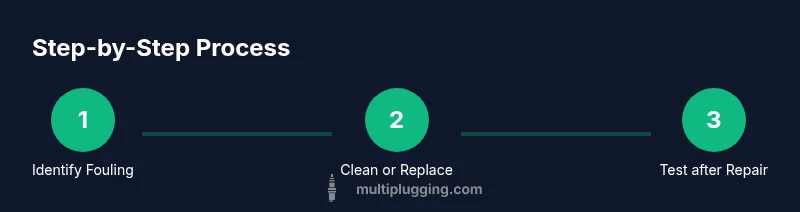
This block offers a concise overview of the repair flow so you can prepare and execute with confidence. Prepare your workspace, disconnect the battery, and gather the necessary tools. Remove the affected spark plug(s) using a spark plug socket, paying attention to the plug’s orientation and the spark plug boot. Inspect deposits and decide whether to clean or replace. If replacing, install new plugs that match your engine’s heat range and gap them to the manufacturer’s specification, then torque to the recommended value. Reinstall any related components and re-check for oil leaks around the plug wells. Finally, start the engine and perform a test drive to confirm normal running and normal exhaust emissions. If misfires persist, re-test ignition components and fuel delivery and consult a professional if codes reappear. This approach minimizes chance of repeating fouling and ensures you’ve addressed the underlying cause rather than the symptom.
Note: Always follow your vehicle’s service manual and safety precautions when working around hot exhaust manifolds and high-voltage ignition systems.
Common mistakes to avoid and troubleshooting tips
When fixing spark plug fouling, common mistakes can undo your work. Avoid reusing heavily fouled plugs, mixing different plug brands or heat ranges in the same engine, and skipping steps like double-checking the gap or torque. Do not spray cleaners into the intake while the engine is running; this can cause a dangerous flare or misfire. If you observe a persistent check-engine light after a repair, recheck sensor connections, vacuum hoses, and ignition wires. Also avoid assuming fouling is always caused by a single issue; perform a holistic diagnosis that includes fuel delivery, ignition timing, and emissions-related sensors. If you’re uncertain about the cause, schedule a diagnostic session with a qualified technician to prevent further engine damage. A disciplined approach, even when you’re under time pressure, yields reliable results and reduces the chance of repeated fouling.
Pro-tip: Use a magnetic spark plug socket to avoid dropping the plug into hard-to-reach spaces and label wiring to avoid reassembly mistakes.
Quick checklist and next steps
- Confirm you have the correct replacement plugs for your engine model. - Gather the right tools and safety gear. - Inspect the fouled plug visually and determine if cleaning is viable or replacement is needed. - Check for oil leaks and PCV/vacuum issues that can cause fouling. - Re-gap and torque plugs to manufacturer specs. - Test drive and monitor ignition behavior; scan for codes if needed. - Schedule follow-up checks if misfires persist after replacement. This routine helps ensure durable results and minimizes repeat fouling.
Tools & Materials
- Spark plug socket with extension(Magnetic tip preferred to hold plug securely)
- Ratchet wrench(For loosening and tightening plugs)
- Torque wrench(To torque plugs to manufacturer spec)
- Gap gauge or feeler gauges(Check correct electrode gap)
- Replacement spark plugs (correct heat range)(Pre-gapped when possible)
- Anti-seize compound (optional)(Light coat on threads if recommended by manufacturer)
- Dielectric grease (optional)(On boot contact area to ensure seal)
- Rags or shop towels(Clean surfaces and wipe deposits)
- Safety gloves and eye protection(Personal protection)
- Compressed air or soft brush(Clean plug well area and remove debris)
- Spark plug boot puller (optional)(Safer removal of boot without damage)
Steps
Estimated time: 60-90 minutes
- 1
Power down and prepare safety
Park the vehicle on a flat surface. Turn off the engine, remove the key, and disconnect the negative battery terminal to prevent accidental shocks. Let the engine cool before touching components, especially around exhaust and ignition.
Tip: Wear gloves and eye protection; keep tools organized. - 2
Access the fouled plug
Gain access to the fouled plug by removing any obstructing components (air intake ducts, engine covers, or ignition coil packs) as needed. Have a clear workspace and label any disconnected hoses or wires to ease reassembly.
Tip: Take a photo before disassembly for reference. - 3
Remove the spark plug
Loosen and remove the spark plug using the proper socket. Keep the plug upright to avoid contaminating the inside of the electrode. Be gentle to avoid thread damage in the threads of the cylinder head.
Tip: If a plug is difficult to remove, stop and apply penetrating oil and re-attempt after a short wait. - 4
Inspect deposits
Evaluate the deposit type: carbon, oil, or fuel fouling. Carbon deposits are dry and sooty; oil deposits are oily and slick; fuel fouling is wet and crusty. This inspection guides your cleaning or replacement decision.
Tip: Take notes or photos to reference when choosing the replacement. - 5
Clean or replace
If carbon fouling is light, you may gently clean the electrode with a wire brush and recheck the gap. If oil or heavy fuel fouling or physical damage is present, replace the plug with a new one of the correct heat range.
Tip: Avoid excessive cleaning or reusing severely fouled plugs. - 6
Check and adjust gap
Measure the gap with a gap gauge and adjust to the manufacturer’s specification if needed. Re-gap only if you know the exact spec and can set it accurately. Replacing is simpler and safer if excessive adjustment is required.
Tip: An incorrect gap reduces ignition stability and performance. - 7
Reinstall and reseal
Thread the plug by hand to avoid cross-threading, then snug with the wrench before applying final torque with the torque wrench. Reconnect any boots with dielectric grease if used.
Tip: Avoid over-tightening, which can strip threads or crack the head. - 8
Test and monitor
Reconnect the battery, start the engine, and listen for a smooth idle. Take a short test drive to verify power delivery and verify no misfire codes. Re-scan for codes if the check engine light reappears.
Tip: If misfires persist, re-check ignition components and fuel delivery.
FAQ
What causes spark plug fouling?
Fouling is typically caused by oil leaks, overly rich fuel mixtures, or carbon deposits from short trips or improper maintenance. Oil control issues and sensor faults can also contribute. A proper diagnosis will identify the root cause.
Fouling usually comes from oil leaks, too-rich fuel, or carbon buildup. A correct diagnosis helps you fix the underlying problem.
Can I reuse a fouled spark plug?
In most cases, a heavily fouled plug should not be reused. Cleaning may work briefly for light carbon deposits, but oil and heavy fuel fouling generally require replacement to restore reliable ignition.
Usually, you should not reuse a heavily fouled plug; replace it.
How often should spark plugs be replaced to prevent fouling?
Follow the vehicle manufacturer's recommended replacement interval. If your driving involves frequent short trips or extreme conditions, inspections and replacements may be needed more often to prevent fouling.
Check your manual for intervals; short trips can shorten the time between replacements.
Is fuel injector cleaner effective for preventing fouling?
Fuel injector cleaners can help maintain fuel delivery and reduce carbon buildup, but they do not fix oil leaks or mechanical wear. Use them as part of a broader maintenance plan.
Injector cleaners can help, but they aren’t a substitute for fixing leaks or worn parts.
When should I seek professional help?
If misfires persist after plug replacement, or if diagnostic codes point to ignition, fuel, or Emissions System issues you cannot safely diagnose, consult a professional technician.
If misfires keep happening after you’ve replaced plugs, get a pro to diagnose.
What is the best way to prevent fouling long-term?
Maintain a consistent driving pattern that allows the engine to reach operating temperature, use quality fuel, and perform regular inspections of ignition, fuel, and vacuum systems. Regular maintenance is the best defense.
Keep up with maintenance, use quality fuel, and let the engine warm up regularly.
Watch Video
Main Points
- Identify fouling type before acting.
- Decide between cleaning and replacement based on deposits and engine wear.
- Address root causes (air-fuel mix, leaks, sensors) to prevent recurrence.
- Use the correct plug type, gap, and torque for your engine.
- The MultiPlugging team recommends proactive maintenance and car-specific guidance to prevent future fouling.