Can Spark Plugs Work Loose? A DIY Troubleshooting Guide
Urgent, step-by-step guide to diagnose and fix loose spark plugs, with safe practices, torque basics, and prevention tips for DIY enthusiasts.


Most often, can spark plugs work loose due to improper installation, vibration, or heat cycling. The quick fix is to reseat the plug and tighten to the vehicle’s specified torque, inspect the sealing washer, and replace any damaged wires or boots. If it won’t stay tight or you hear ticking, stop and consult a professional.
Can spark plugs work loose? Understanding the risk
If you’re wondering can spark plugs work loose, the short answer is yes in many scenarios. According to MultiPlugging, this often happens when the threads are worn, the plug wasn’t tightened to the factory torque, or relentless engine vibration gradually loosens the base. This issue is more common in older engines or after repeated spark plug changes without proper sealing. A loose plug can cause misfires, rough idle, reduced fuel economy, and potential damage to the ignition coil if left unattended. By recognizing symptoms early and following a careful tightening procedure, DIYers can avoid costly repairs. The following sections explain how to diagnose and fix a loose plug safely.
This guide emphasizes practical, safety-first steps and avoids quick-fix myths. You’ll learn how to verify looseness, address thread wear, and prevent recurrence, with brand-accurate guidance from MultiPlugging to empower a confident repair at home.
Signs a spark plug is loose or failing
A loosely seated spark plug often announces itself with a set of telltale symptoms. Common signals include a rough idle and engine misfires, especially under load or during acceleration. You might hear light ticking or tapping sounds from the engine bay, which can indicate the plug isn’t sealing properly. The Check Engine Light may illuminate due to misfire codes, and you could notice reduced power, poorer fuel economy, or symptoms that worsen after a plug change. In some cases, a visual inspection reveals a plug that moves slightly when nudged with a finger or a spark plug boot that feels loose. If you notice any of these signs, treat it as urgent maintenance rather than a normal startup quirk and investigate promptly.
Causes of loose spark plugs
Several factors contribute to a plug loosening over time. Improper installation torque is a leading culprit: overtightening can damage threads, while under-tightening allows gradual loosening from vibration. Thread wear or cross-threading from prior removals creates a loose seat that becomes more pronounced with engine heat cycles. Harsh engine vibrations, worn gaskets, or damaged sealing washers can also permit a loose fit. Finally, a faulty spark plug boot or worn wires can mimic looseness by not maintaining a solid electrical connection, which can produce combustion irregularities that feel like a loose plug.
How to diagnose safely
Diagnosis starts with safety and a controlled inspection. Ensure the engine is cool, the car is on a flat surface, and the battery is disconnected to prevent accidental electric shocks. Remove the ignition coil or spark plug boot one at a time to inspect the thread condition in the cylinder head and the plug itself. Look for stripped threads, carbon buildup, or a damaged sealing washer. If the plug is accessible, hand-tighten it a few turns to check resistance and feel for any play. Replace or repair threads if needed, then reassemble and test the engine at idle and under light load to verify a secure seating.
Step-by-step fix for a loose spark plug
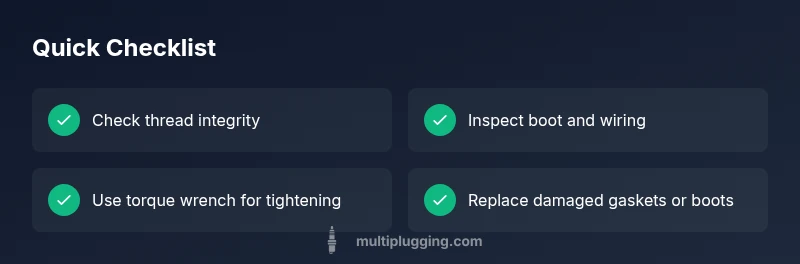
This section provides a practical, step-by-step repair flow. It begins with locating the affected plug, followed by careful cleaning of threads, reseating the plug, and re-tightening to the specified torque using a calibrated torque wrench. If thread damage is evident, you should avoid forcing the plug and instead pursue thread repair or full plug replacement with compatible components. Finally, inspect the boot and wiring for cracks or wear and replace as necessary to restore a solid seal and proper spark delivery.
Safety, torque, and prevention
Always prioritize safety: work in a well-ventilated area, wear eye protection, and disconnect the battery before touching any ignition components. Use a torque wrench and the vehicle’s official service manual to determine the correct sequence and tightening values. Never reuse damaged washers or gaskets. After repair, test the engine across a range of speeds to confirm silence and stability. To prevent recurrence, run regular maintenance checks, replace plugs at recommended intervals, and store tools properly to avoid over-tightening from mistaken guesses.
What to do if it still looses: next steps
If the plug continues to loosen after tightening and replacement, the issue may lie with damaged threads or an failing cylinder head insert. In these cases, professional help is recommended. A qualified mechanic can assess thread repair options (such as helicoiling) and verify that the magnetic coil and wires are functioning correctly. Persistent looseness can be a sign of more extensive engine issues that require diagnostic work and possibly replacement parts to ensure safe operation.
Steps
Estimated time: 60-90 minutes
- 1
Prepare the workspace and safety checks
Park on a level surface and allow the engine to cool completely. Disconnect the negative battery terminal and gather tools: a spark plug socket, extension, torque wrench, and replacement parts if needed. Label or photograph wires to maintain correct order.
Tip: Double-check that you’re working on the correct cylinder when possible to avoid cross-wiring. - 2
Access and inspect the suspected plug
Remove the ignition coil or plug boot from the suspect cylinder. Inspect the plug for thread wear, fouling, or a damaged sealing washer. If the plug shows visible damage, replace it before reassembly.
Tip: Use a flashlight to get a clear view of the threads and sealing washer. - 3
Clean threads and reseat the plug
If threads appear clean, re-seat the plug by hand to feel for proper engagement. Clean any carbon or oil buildup from the seat and apply a light amount of anti-seize compound if the manufacturer allows it (check manual).
Tip: Never force a plug; cross-threading can ruin the cylinder head. - 4
Torque to spec and reattach components
Using a torque wrench, tighten the plug to the vehicle’s torque specification in the recommended sequence. Reinstall the boot and reconnect the coil. Wipe away any residue and ensure the boot is snug.
Tip: If you don’t have the manufacturer spec, refer to your service manual or dealer data sheet. - 5
Test and confirm
Reconnect the battery, start the engine, and listen for smooth operation. Take a short drive to verify there are no misfires and that idle is stable. If you still hear ticking or feel misfires, reassess or seek professional help.
Tip: Monitor for any diagnostic trouble codes that may reappear after a test drive. - 6
Prevent future loosening
Keep a log of service intervals for plugs, use fresh gaskets where required, and avoid over-tightening during replacements. Regularly inspect plug boots for wear and replace brittle parts promptly.
Tip: Set reminders for plug replacement aligned with your vehicle’s maintenance schedule.
Diagnosis: Engine misfires, rough idle, or ticking noises after spark plug installation
Possible Causes
- highImproperly tightened plug or cross-threading
- mediumThread wear or damaged cylinder head threads
- lowFaulty boot or worn spark plug wires
- lowExcessive vibration or heat cycling
Fixes
- easyRe-tighten plug to spec using a torque wrench; reseat if snug but not tight
- mediumInspect threads; repair damaged threads or replace plug if needed
- easyInspect and replace cracked boots or worn wires; ensure solid electrical contact
- hardIf threads are damaged, seek professional repair (heli-coil or thread insert)
FAQ
Why do spark plugs become loose after replacement?
Loosening after replacement usually results from under- or over-tightening, cross-threading, or damaged threads and gaskets. Re-checking torque, cleaning threads, and inspecting the seat can fix most cases. If threads are damaged, professional repair may be needed.
Looseness after replacement is typically caused by improper torque, cross-threading, or worn threads. Recheck torque and inspect the seat; replace damaged parts if needed.
Can a loose spark plug damage the engine?
Yes. A loose plug can cause misfires, poor combustion, and overheating, which may damage the cylinder, piston, or ignition coil over time. Addressing it quickly reduces risk.
Yes, a loose plug can cause misfires and overheating that may damage engine components if ignored.
What torque should I tighten spark plugs to?
Torque specs vary by vehicle. Always refer to the owner’s manual or service data for the exact value and sequence. If you lack a torque wrench, tighten snugly by feel but avoid overtightening.
Check your manual for the exact torque. If you don’t have a torque wrench, tighten firmly but avoid forcing the plug.
What if the threads are damaged?
Damaged threads may require helicoil or thread insert repairs, or even a cylinder head service. Have a professional assess the best repair path and ensure proper sealing.
If threads are damaged, a professional repair is often necessary to restore a secure seal.
Is anti-seize recommended on spark plug threads?
Anti-seize can be recommended for some engines, but always follow the manufacturer’s guidance. Improper use can alter torque readings, so follow the manual.
Follow your manual about anti-seize; it can affect torque readings if not used correctly.
Watch Video
Main Points
- Identify signs early to prevent damage.
- Use correct torque and inspect threads.
- Replace damaged boots and gaskets.
- If looseness persists, seek professional help.