Bad Spark Plug Sound: Fast Troubleshooting Guide for DIY Car Owners
Urgent, step-by-step guide to diagnose and fix a bad spark plug sound in your car. Learn common causes, safe diagnostics, and how to replace or reseat plugs to prevent misfires and engine damage.


Most often a bad spark plug sound comes from a worn, fouled, or loose plug that misfires and rattles under throttle. Quick fix: stop driving when safe, pull the plug, inspect for fouling or cracks, replace with the correct gap, and retorque to spec. If the noise persists, test ignition wires and coils for issues.
Understanding the bad spark plug sound and what it signals
A car that emits a distinct ticking, tapping, or rattling noise from the engine bay can be describing a bad spark plug sound. This isn't just an annoyance; it often signals misfires, incomplete combustion, or mechanical wear. According to MultiPlugging, recognizing the tone and pattern of the noise helps distinguish a failing plug from exhaust or valve issues. In many engines, the sound correlates with cylinder conditions: a louder ticking on idle or under load often points to a fouled or loose plug. Start by listening for whether the noise changes with RPM, throttle position, or engine temperature. This quick auditory check complements visual inspection and spark tester results.
Keywords to note: bad spark plug sound, misfire, fouling, loose plug, ignition coil, spark plug gap.
Common causes behind a bad spark plug sound
A bad spark plug sound typically arises from one of several root causes. Worn electrodes or a fouled plug reduces spark efficiency and can produce ticking or popping noises as the plug struggles to ignite the air/fuel mix. A loose plug or a damaged thread can vibrate, creating a sharper rattle. Oil or fuel fouling leaves residue that disrupts ignition and can echo in the exhaust manifold. Incorrect gap—too wide or too narrow—alters the flame propagation and can generate unusual sounds. Finally, a failing ignition coil or degraded plug wire can echo through the spark system, making the engine sound irregular.
- Worn or fouled plug
- Loose or cross-threaded plug
- Oil or fuel fouling
- Incorrect gap
- Faulty ignition coil or wires
Based on MultiPlugging analysis, diagnosing these causes starts with a simple plug inspection and progresses to measurement with a gap tool and a spark tester. Proactive maintenance reduces the risk of persistent noise and misfires.
Safety first: prep and safeguards before touching the engine
Working around the ignition system requires precautions. Disconnect the negative battery terminal to avoid shocks or short circuits. Allow the engine to cool before touching plugs to prevent burns. Wear gloves and eye protection, and work in a well-ventilated area away from hot components. Keep a clean workspace with spark plug sockets, a torque wrench, and anti-seize compound if recommended by your manufacturer. Never force a stubborn plug; crossing threads can ruin the cylinder head. If the plug is seized, this is a sign to seek professional help rather than forcing extraction.
- Wear protective gear
- Let the engine cool
- Use the correct tools
- Avoid forcing a stubborn plug
How to diagnose by ear and quick checks you can do safely
Begin with a visual and auditory inspection: remove one plug at a time and look for fouling or oil on the ceramic insulator. A dark, oily residue indicates oil leakage from piston rings or valve guides; timing is critical if oil contamination is present. Use a spark tester or a known-good ignition cable to confirm whether the plug fires. Note the sound when the plug is isolated— a true bad plug often produces a distinct misfire sound when under load. If you hear no spark or a weak spark, the issue may lie with the ignition coil or wiring rather than the plug alone.
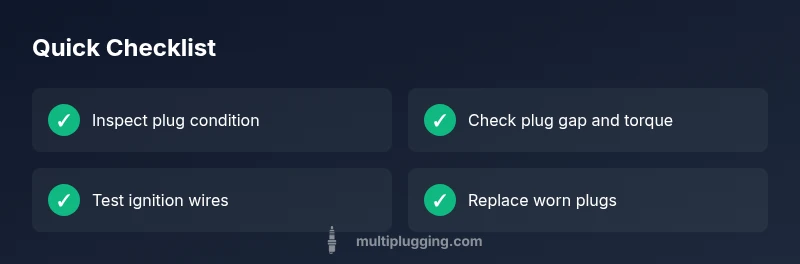
- Inspect plug condition
- Test for spark
- Check ignition wiring
- Observe changes under load
Quick wins: first actions that fix many bad spark plug sounds
Sometimes the problem is as simple as a loose wire or a plug that wasn’t seated properly. Re-secure any loose connectors and re-seat the plug with the correct torque specification. If fouling is present, cleaning is only a temporary fix; replace the plug if the electrode is worn or the insulating ceramic is cracked. For engines with oil or fuel leakage indicators, address root causes (e.g., worn rings or faulty seals) to prevent recurrence. Finally, ensure the gap matches the manufacturer spec using a feeler gauge or a gap tool and adjust as needed.
- Tighten connections to spec
- Replace worn or heavily fouled plugs
- Correct the spark plug gap
When to replace, reseat, or call a professional
If the plug shows heavy wear, cracks, or excessive fouling after cleaning, replacement is the safest option. A loose thread or cross-threading often requires professional tooling to repair the cylinder head. In some cases, a recurring bad spark plug sound after replacement signals deeper issues like a faulty ignition coil, coil-on-plug pack, or imminent head gasket failure. When in doubt, consult a certified technician; ignition work has safety risks and can impact emission systems and warranty coverage.
- Replace if worn or cracked
- Avoid driving with misfires for long
- Seek pro help for thread damage or coil problems
Prevention: how to avoid a recurring bad spark plug sound
Regular maintenance is your best defense. Follow your vehicle manufacturer’s replacement interval, use the correct grade of fuel, and keep oil and coolant leaks in check. Use anti-seize on threaded plugs only if recommended, and always torque to specification to prevent galling or looseness. Periodically inspect electrical connectors, wires, and coils to catch wear before it becomes audible. Routine checks save time and money and keep the engine running smoothly, reducing the chance of a bad spark plug sound in the future.
Steps
Estimated time: 45-60 minutes
- 1
Prepare and safety-check
Park on a flat surface, unplug the battery negative, and allow the engine to cool. Gather tools, wear gloves, and ensure the area is well-ventilated.
Tip: Double-check that you have the correct plug type for your engine. - 2
Remove the suspect spark plug
Carefully disconnect the spark plug wire, clean around the area, and thread out the plug using a proper spark plug socket. Inspect the terminal and threads for damage.
Tip: Take a photo of the plug orientation for reinstallation. - 3
Inspect plug condition
Look for fouling, oil residue, or a cracked ceramic. Compare electrode wear with the plug’s visual wear indicators. If uncertain, replace with a new plug of the correct type and gap.
Tip: If you see heavy fouling, plan to inspect related seals and rings. - 4
Check the gap and install
Measure the gap with a gauge and adjust to the manufacturer spec. Apply a light smear of anti-seize if recommended, then thread the plug carefully and torque to spec.
Tip: Over-tightening can strip threads; never exceed recommended torque. - 5
Reinstall wires and test
Reconnect the plug wire or coil pack, restore power, and start the engine. Listen for the prior noise; if it persists, continue with coil/wiring diagnostics.
Tip: Use a spark tester for a fast spark-check. - 6
Monitor and prevent future issues
Drive normally and observe for recurring noise or misfires. If the problem returns, check for oil leaks, injector issues, or coil wear and consider professional service.
Tip: Schedule a preventive maintenance check before the next long trip.
Diagnosis: Engine emits a distinct ticking, tapping, or rattling noise described as a 'bad spark plug sound' with or without misfires.
Possible Causes
- highWorn or fouled spark plug
- mediumLoose spark plug or cross-threaded installation
- mediumOil or fuel fouling on the plug
- lowIncorrect spark plug gap
- lowFaulty ignition coil or plug wires
Fixes
- easyInspect and replace worn/fouled plugs; verify gap and reseat with proper torque
- easyTighten or re-thread the plug; fix cross-threading if found
- mediumAddress oil/fuel fouling (seal/o-ring, rings, or injectors) and clean or replace plugs
- mediumTest ignition coil and wires; replace faulty components
- hardConsult a professional for thread repair or head damage
FAQ
What does a bad spark plug sound like?
A bad spark plug often produces a ticking, tapping, or rattling noise that changes with RPM or load. It may be accompanied by misfire symptoms like rough idle or reduced power.
A bad spark plug usually sounds like a ticking noise that changes with engine speed, often with rough idle or loss of power.
Can a misfiring engine cause this sound?
Yes. A misfire due to a faulty plug can create audible detonations or ticking sounds. Other misfire causes include ignition coil problems or faulty wiring.
Yes, a misfire can cause audible ticking sounds, often due to a bad plug or ignition issues.
How do I test spark plugs safely?
Use a spark tester or swap in known-good plugs one at a time to isolate a faulty unit. Disconnect the battery and follow the factory torque specs when reinstalling.
Use a spark tester or swap in good plugs one at a time to isolate the problem, and always disconnect the battery first.
When should I replace spark plugs?
Replace plugs if they show wear, cracks, heavy fouling, or if gaps cannot be set to spec. Replacements are preferred over attempting risky repairs.
Replace plugs if worn or fouled, or if you can't set the correct gap.
Is it safe to drive with a bad spark plug sound?
Driving long distances with a suspected bad plug can cause further engine damage. If the sound persists, limit driving and seek professional diagnosis.
It's not safe to drive long distances with a suspected bad plug; get it checked soon.
Main Points
- Identify the sound pattern early to triage the issue quickly
- Start with visual inspection, then test spark and wiring
- Replace worn or fouled plugs; ensure accurate gap and torque
- Call a professional for thread or head damage