RAM 1500 Spark Plugs: Replacement Guide for DIYers
Learn how to replace RAM 1500 spark plugs with confidence. This educational, DIY-friendly guide covers plug selection, gaps, torque, tools, safety, and post-replacement testing to keep your RAM running smoothly.


By the end of this guide you can confidently replace RAM 1500 spark plugs and diagnose plug-related misfires. You’ll learn how to select plugs, set the correct gap, and torque them properly, then test engine performance after replacement. This RAM 1500 spark plugs guide is written for DIYers who want reliable, road-ready results.
Why RAM 1500 spark plugs matter for performance and efficiency
Spark plugs are the small, heat-resistant devices that ignite the air-fuel mixture inside your RAM 1500's engine. When they’re fresh and correctly gapped, they promote clean burns, smooth idling, and strong throttle response. Worn or fouled plugs can cause misfires, reduced power, higher fuel consumption, and rough starts. For RAM 1500 owners who rely on consistent performance, keeping spark plugs in good condition is a practical maintenance step that protects the engine and the vehicle’s overall drivability. According to MultiPlugging, a disciplined approach to spark plug checks reduces the chance of unexpected breakdowns and helps you avoid unnecessary repair costs. In this guide you’ll learn how to select the right plug type for your engine variant, how to inspect and replace them, and how to verify that the ignition system is firing correctly after a replacement. The RAM 1500 spark plugs routine should be part of your regular maintenance schedule, not a one-off task you only attempt after symptoms appear. Regular inspection also gives you a chance to catch other ignition system problems, like coil packs or wires, before they cause larger issues. Treating spark plugs as a diagnostic tool can save time and money in the long run.
Spark plug types and heat ranges for RAM 1500 spark plugs
Choosing the right spark plug type and heat range for RAM 1500 depends on engine configuration, driving style, and operating temperatures. Copper plugs heat up and cool quickly, offering robust ignition in some lower-mileage or older RAM variants, but they wear faster under long highway runs. Platinum and iridium plugs last longer and resist fouling, which makes them popular for modern RAM configurations that see a mix of daily commuting and occasional towing. The most important factor is selecting plugs that match the OEM specifications and your engine’s compression characteristics. In the RAM 1500 context, many DIYers favor iridium or platinum plugs for longevity and steady performance, while copper plugs can be a cost-effective option for engines that aren’t pushed to extreme duty cycles. Always verify the recommended heat range and electrode design in your owner’s manual or via the RAM service information, then choose a reputable brand within that spec. MultiPlugging’s analyses emphasize aligning plug selection with factory specs to maintain reliability and avoid misfires.
Symptoms of worn RAM 1500 spark plugs and when to replace
Symptoms of worn RAM 1500 spark plugs can be subtle at first. You might notice rough idling, reduced acceleration, or a slight drop in fuel efficiency. In some cases, you’ll experience misfires that trigger the check engine light and cause the engine to run unevenly at idle or under load. If you regularly drive in extreme heat, dusty environments, or frequently tow with your RAM 1500, plug wear can accelerate. Another sign is increased crank time after turning the key, followed by a smoother restart once combustion is initiated. If you observe any of these indicators, inspect the plugs for carbon fouling, oil contamination, or worn electrodes. Early replacement is typically cheaper than delaying maintenance, and it minimizes the risk of damaging ignition coils or sensors. A properly functioning ignition system—spark plugs included—contributes to better emissions and consistent performance in your RAM pickup.
How to choose the right gap and torque for RAM 1500 spark plugs
Correct gap setting ensures an efficient spark jump and complete ignition of the air-fuel mixture. The OEM gap specification varies by engine type and plug design, so always refer to the RAM owner’s manual for your exact model. If you cannot locate the spec, use a trusted gap tool to set the plug to the manufacturer’s recommended distance. After seating the plug, apply a light coat of anti-seize (if recommended by the plug and vehicle manufacturer) and tighten to the specified torque using a torque wrench. Over-tightening can damage threads, while under-tightening leads to poor heat transfer and a risk of the plug loosening under vibration. A careful gap check combined with proper torque minimizes misfires and ensures a solid seal at the combustion chamber. Keep in mind that some RAM 1500 engines require different plug gaps when towing or running high boost; always adjust to the stated spec for your configuration.
Tools and materials you need for RAM 1500 spark plug work
Preparing the right tools and materials before you start pays off in smoother replacement. You’ll need a spark plug socket with a magnet, a 3/8-inch drive ratchet, a torque wrench with the correct range, and an extension for accessing deep wells. A gap tool or feeler gauge is essential to verify the correct electrode gap. Have a spare set of new plugs that match the OEM specification, plus anti-seize and dielectric grease if recommended. A soft cloth or rag helps you clean the plug threads and remove any debris from the cylinder head. Safety gear, such as gloves and eye protection, keeps you safe during the process. Having these items ready reduces downtime and helps you complete the job with confidence. Remember to work in a well-ventilated area and ensure the engine is cool before touching the spark plugs.
Step-by-step prep and safety considerations for RAM 1500 spark plug work
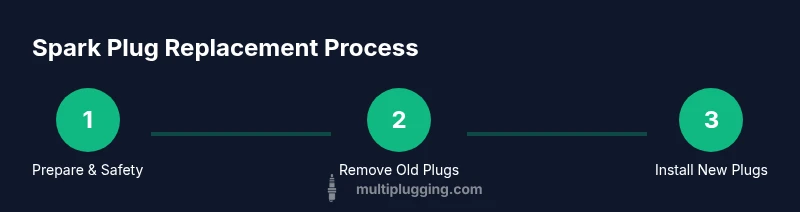
Before you begin, disconnect the negative battery terminal to prevent any electrical shorts or accidental cranking. Locate the ignition coil packs or ignition wires for each cylinder and prepare your workspace so you do not lose track of which wire connects to which plug. Use a spark plug socket to remove the old plugs, turning counterclockwise. If a plug is stubborn, use a penetrating lubricant and perform a gentle rocking motion—do not force it, which could strip the threads. Keep the plug holes clean and wipe away debris before installing new plugs. After installation, reattach the coil packs or wires securely and reconnect the battery. Finally, start the engine and listen for a steady, smooth idle; note if the check engine light reappears, which could indicate a misfire in one or more cylinders. Safety should always come first, so wear eye protection and gloves, and ensure you work in a clean, well-lit space. This careful approach reduces the risk of cross-threading and gives you a reliable baseline after replacement.
Common mistakes to avoid during RAM 1500 spark plug replacement
Avoid cross-threading by using the correct socket size and aligning the plug squarely with the cylinder head. Don’t over-torque new plugs; incorrect torque is a common cause of leaky seals and damaged threads. Skipping the gap check can leave you with misfires or poor fuel economy. If you encounter a stubborn plug, apply a small amount of penetrating oil and wait briefly rather than forcing it. Rushing through the layout of the plug wires can confuse ignition order and cause a misfire immediately after reinstall. Lastly, never reuse old gaskets or seals unless the manufacturer explicitly approves it. Following these precautions helps you complete the job efficiently and safely.
Maintenance tips to extend RAM 1500 spark plug life
To maximize spark plug life, keep a regular maintenance schedule that includes air filter checks, fuel system cleanings, and spark plug inspections. Using high-quality fuel and ensuring your ignition coil system is functioning correctly also contributes to longer plug life. If your RAM 1500 routinely operates under heavy loads or in dusty environments, consider a plug with a stronger electrode design and a heat range suited for performance without sacrificing reliability. By staying proactive and using OEM spec plugs, you can maintain consistent engine performance and avoid unexpected misfires. Regular checks help you catch wear early and plan replacements before performance declines become noticeable.
How to test the engine after replacement and next steps
After completing the replacement, start the engine and listen for a clean idle with no vibrations or misfires. Take a short test drive to verify smooth acceleration and consistent throttle response. If the check engine light remains on, pull the diagnostic codes and address any misfire or ignition coil faults that appear. Record the mileage and maintenance date for future reference, and schedule regular inspections according to the vehicle’s manual. Keeping a log helps you track wear trends and identify when future replacements may be due. When you’re finished, clean up the workspace and dispose of old plugs safely in accordance with local regulations. By following these steps, you’ll ensure the RAM 1500 runs reliably after the spark plugs replacement.
Tools & Materials
- Spark plug socket (3/4 inch) with magnet(6-inch extension recommended)
- Ratchet wrench (3/8 inch drive)(For socket access and torque application)
- Torque wrench(Correct range for plugs; follow OEM spec)
- Gap tool / feeler gauge(To verify electrode gap before installation)
- New spark plugs (OEM spec)(Select heat range and type per RAM manual)
- Anti-seize compound(Only if recommended by plug/manufacturer)
- Dielectric grease(Used on coil boots for easier removal later)
- Safety gear: gloves and eye protection(Protect hands and eyes from debris and chemicals)
- Shop rag(Clean threads and wipe spills)
Steps
Estimated time: 60-90 minutes
- 1
Prepare workspace and disconnect power
Park on a flat surface and cool engine. Disconnect the negative battery terminal to prevent electrical shorts. Remove any covers or components that block access to ignition coils and spark plugs.
Tip: Label ignition wires if needed to ensure correct reattachment. - 2
Locate spark plugs and remove coils
Identify the coil packs or wires for each cylinder. Gently detach the coil or wires one at a time using the appropriate tool. Keep track of which coil belongs to which plug for correct reassembly.
Tip: Work one cylinder at a time to avoid confusion. - 3
Remove old spark plugs
Use the spark plug socket to break free the old plug by turning counterclockwise. If the plug resists, apply a small amount of penetrating oil and wait a few minutes before attempting again. Keep the plug intact to inspect electrode condition.
Tip: Do not use excessive force; damaged threads are costly and time-consuming. - 4
Check/adjust gap on new plugs
Measure the gap with a gap tool and adjust to the OEM specification if needed. Apply a tiny amount of anti-seize only if manufacturer allows. Inspect the plug threads for debris before installation.
Tip: A consistent gap ensures reliable ignition across cylinders. - 5
Install new plugs and torque
Thread the new plugs by hand first to avoid cross-threading. Tighten to the manufacturer’s torque specification using a torque wrench. Avoid over-tightening, which can damage threads and seals.
Tip: After hand-threading, snug with a wrench then verify torque with the torque wrench. - 6
Reattach coils/wires and protect boots
Reconnect each coil or wire to its corresponding plug and secure the boots. Apply dielectric grease if recommended. Verify all connections are snug and free of moisture or oil.
Tip: Ensure boots are fully seated to prevent misfiring. - 7
Reconnect battery and test
Reconnect the negative battery terminal. Start the engine and listen for a smooth idle. Check for any trouble codes and take a short test drive to confirm proper operation.
Tip: If the engine runs rough, double-check plug seating and connections. - 8
Final checks and cleanup
Inspect for leaks around the plug areas and tidy up tools. Keep a maintenance log with the date and mileage for future reference. Dispose of used plugs per local regulations.
Tip: Record the plug type, gap, and torque for future maintenance planning.
FAQ
Do RAM 1500 spark plugs require a specific torque specification?
Yes. Torque should follow the OEM spec for your RAM 1500 engine variant. Use a torque wrench to apply the precise amount and avoid over-tightening, which can damage threads. If unsure, consult the RAM service manual or a qualified technician.
RAM 1500 spark plugs must be torqued to the factory specification using a torque wrench. If you’re unsure, check the owner’s manual or a trusted guide.
Can I replace RAM 1500 spark plugs myself?
Yes, with the right tools and careful adherence to OEM specs. The replacement procedure involves accessing each cylinder, removing old plugs, checking gaps, installing new plugs, and testing the engine. Always follow safety steps and torque specs to avoid damage.
Yes, you can replace RAM 1500 spark plugs at home if you follow the proper steps and safety precautions.
What are common signs that RAM 1500 spark plugs need replacement?
Common signs include rough idle, reduced power, poor acceleration, reduced fuel economy, and occasional engine misfires. If you notice the check engine light, run a diagnostic to see if misfires point to the ignition system.
Rough idle, sluggish acceleration, and misfires are typical signs that spark plugs may need replacement.
Are copper plugs better than platinum or iridium for RAM 1500?
Copper plugs can perform well in some RAM configurations or older engines, but platinum and iridium plugs generally offer longer life and more consistent performance in modern engines. Choose based on OEM specs and driving conditions.
Platinum or iridium plugs usually last longer in modern RAM engines; copper can be okay in some cases but check the spec.
How often should RAM 1500 spark plugs be replaced?
Replacement intervals vary by plug type and driving conditions. Always follow the RAM owner’s manual for guidance, and consider scheduled inspections to catch wear early. If you drive hard or tow frequently, more frequent checks may be warranted.
Follow the owner’s manual for replacement intervals and monitor engine performance for signs of wear.
Watch Video
Main Points
- Identify OEM spark plug specs before buying.
- Gap and torque are critical for reliability.
- Replace one plug at a time to avoid miswiring.
- Test drive and check for codes after replacement.