How to Clean Spark Plug on a Bike: DIY Guide
Learn how to clean a bike spark plug safely with tools, steps, tips, and troubleshooting. This DIY guide helps riders improve starts, fuel economy, and overall engine reliability.


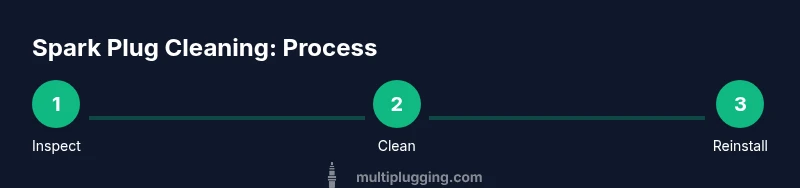
If you’re wondering how to clean spark plug of bike, this guide walks you through a safe, practical approach: remove and inspect the plug, lightly brush away carbon, apply a small amount of cleaner, dry it completely, re-check the gap to spec, and reinstall with proper seating. Follow steps, use PPE, and avoid damaging the ceramic. This quick answer prepares you for the detailed steps below.
Why cleaning a bike spark plug matters
If you’re wondering how to clean spark plug of bike, this guide explains a practical approach. According to MultiPlugging, routine spark plug maintenance helps prevent misfires, fouling, and hard starts. Clean plugs restore combustion efficiency and smooth idling, especially in older bikes or those running rich or with short trips. The strategy here focuses on safe, DIY-friendly steps you can perform in a driveway using common tools. Proper care can improve starting reliability, throttle response, and overall engine health.
Safety first: setup and PPE
Before you touch anything, ensure the engine is fully cooled to avoid burns. Wear gloves and safety glasses, and work in a well-ventilated area. Disconnect the battery if your bike has an electric kill switch or to prevent accidental shorts while working near wiring. Keep a clean workspace and keep fuel away from any cleaning solvents. These precautions reduce the risk of injury and accidental damage to the plug boot or wiring.
Understanding plug condition indicators
A spark plug's appearance tells you a lot about engine health. A clean, light tan ceramic tip generally indicates healthy combustion. Carbon fouling appears as a black, sooty deposit and may indicate rich fuel or poor ignition. Oil fouling looks oily and dark. If you see cracks in the ceramic or a heavily damaged electrode, replace the plug. This diagnostic mindset helps you decide between cleaning and replacing, which can save money and prevent troubleshooting headaches.
How to clean spark plug on a bike: cleaning approaches
If the plug is only lightly fouled, you can clean it with a soft brush and non-abrasive cleaner. Avoid aggressive grinding or wire brushes on the ceramic. For stubborn deposits, apply a small amount of carb or electrical cleaner and let it dry completely before rechecking the gap. Do not soak the core. Use a light touch and keep solvent away from the ceramic body to avoid micro-damage. This section outlines safe, model-agnostic techniques that work on most motorcycles.
Checking and restoring the gap
Once dry, inspect the electrode gap with a feeler gauge. Compare against the bike manufacturer's specification in your service manual. If the gap is off, gently adjust using the gauge and recheck. Incorrect gap can cause misfires or poor starting. After cleaning and prior to reinstall, verify the gap one final time to ensure it remains within spec. Consistency here is critical for reliable ignition.
Reinstallation: seating, torque, and boot
Reinsert the spark plug carefully and hand-tighten first to prevent cross-threading, then use a torque wrench or the manufacturer-specified method to seat it properly. Reconnect the cap or boot, ensuring a firm seal to prevent arcing. Avoid over-tightening, which can crack the ceramic or strip threads. A proper seal ensures consistent ignition and protects the plug-well from moisture and debris.
Troubleshooting and ongoing maintenance
After reinstalling, start the engine to verify a smooth idle and reliable startup. If misfires persist, inspect related components like ignition coils and wires. Regular cleaning is part of routine maintenance; on some bikes, replacement is cheaper in the long run if the plug shows wear or persistent fouling. Establish a maintenance cadence that matches your riding and climate conditions.
AUTHORITY SOURCES
- https://www.epa.gov
- https://www.nhtsa.gov
- https://www.caranddriver.com
Reference and further reading
For model-specific spark plug gaps and torque specs, always refer to your bike’s owner’s manual or service guide. This ensures you don’t damage the ceramic or electrode during cleaning. Keeping a record of plug condition over time helps you plan proactive maintenance and avoid surprise breakdowns.
Tools & Materials
- Spark plug socket wrench (6-point) or bike-specific socket(Check your bike's plug size (commonly 12mm–16mm or 5/8 inch).)
- Ratchet and extension(Use to reach recessed plugs.)
- Non-abrasive cleaning brush(Avoid metal bristles that can scratch ceramic.)
- Carb or electrical cleaner(Use spray cleaner rated for electronics.)
- Lint-free cloths(For drying and wiping deposits.)
- Feeler gauge or gap tool(Match OEM gap spec in service manual.)
- Torque wrench (optional)(If available, torque to spec; otherwise snug by hand with caution.)
- Anti-seize compound (optional)(Only if manufacturer recommends and on metal threads.)
- Replacement spark plug (optional)(Keep on hand if fouling is severe.)
- Safety gear: gloves and eye protection(Protect eyes from cleaner splashes.)
- Work light(Better visibility near engine bay.)
Steps
Estimated time: 15-25 minutes
- 1
Power down and locate spark plug
Ensure the engine is cool and locate the spark plug using the service manual diagrams. This sets you up for safe removal and prevents burns. Take a photo if needed to remember wire routing.
Tip: Label the spark plug wires or boot to avoid mix-up when reassembling. - 2
Disconnect the spark plug boot
Carefully pull the boot straight off the spark plug without twisting to avoid damaging the coil boot. If resistant, twist gently while pulling.
Tip: Use pliers only if necessary and protected with a rag to avoid damage. - 3
Remove the spark plug
Fit the correct socket over the plug and turn counterclockwise to loosen, keeping the plug vertical to prevent debris from falling into the engine.
Tip: Do not force the plug; if it resists, stop and assess for cross-threading. - 4
Inspect the plug condition
Look for fouling, oil leaks, or cracks in the ceramic. Light tan or gray deposits indicate healthy combustion; heavy black soot or oil suggests maintenance needs.
Tip: Document the plug’s condition with a photo for records. - 5
Clean the plug and deposits
Gently brush carbon deposits with a non-metal brush and apply a small amount of cleaner; avoid soaking the ceramic. Let dry completely before proceeding.
Tip: A short, controlled spray is better than soaking. - 6
Check and set the gap
Measure the electrode gap with a feeler gauge and adjust to the manufacturer’s specification. Use even pressure to avoid bending electrodes.
Tip: Re-check the gap after cleaning; deposits can change alignment. - 7
Reinstall and torque
Thread the plug by hand to avoid cross-threading, then snug with a torque wrench or tool per manual. Reconnect the boot securely.
Tip: Avoid over-tightening; ceramic can crack. - 8
Test the engine
Start the engine and listen for a smooth idle. If misfires or rough running occur, re-check connections and gaps or consider replacement.
Tip: If still uncertain, consult a mechanic. - 9
Record and schedule maintenance
Log the date and plug condition for future reference; plan to inspect plugs during regular service intervals.
Tip: Regular checks reduce unexpected failures.
FAQ
Can I clean a fouled spark plug instead of replacing it?
Light fouling can be cleaned, but heavily fouled or damaged plugs should be replaced. Cleaning is a maintenance option, not a guaranteed fix for wear.
Light fouling can be cleaned, but replace if worn or damaged.
Is it safe to clean a spark plug while it's still in the engine?
No. Remove the plug and disconnect related components to avoid damage or injury. Clean outside the engine bay and inspect.
No, remove the plug before cleaning.
What solvents are safe for spark plug cleaning?
Use a carb or electrical cleaner rated for electronics. Avoid harsh solvents that could degrade the ceramic or wiring.
Use carb or electrical cleaner; avoid harsh solvents.
How often should I check or clean spark plugs on a bike?
Check during regular service intervals or when you notice starting or misfire symptoms. Refer to the owner's manual for model-specific guidance.
Check during service or if you notice issues, follow the manual.
What if the plug is cracked or oil-fouled?
Cracked or oil-fouled plugs should be replaced promptly as cleaning won't fix underlying issues. Inspect for root causes.
Replace cracked or oil-fouled plugs.
Watch Video
Main Points
- Inspect before cleaning and avoid damaging the ceramic
- Use the correct tools and OEM gap specs
- Clean deposits lightly or replace if heavily fouled
- Torque to spec and test engine after reinstall
- Maintain a log of plug condition across services