Chevy Cruze Spark Plugs: Diagnosis, Replacement & Maintenance
Comprehensive guide to diagnosing, replacing, and maintaining Chevy Cruze spark plugs for reliable performance. Learn symptoms, tools, step-by-step instructions, and expert tips from MultiPlugging.


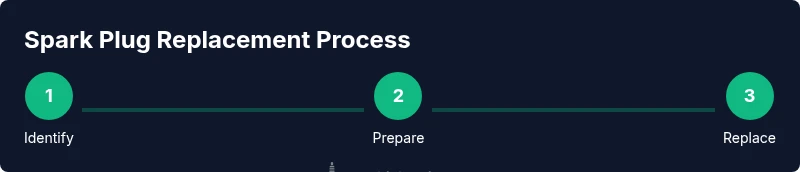
In this guide, you will learn how to diagnose, inspect, and replace Chevy Cruze spark plugs safely and effectively. You’ll identify symptoms, select the right plugs, use the correct tools, and verify the repair with a test run. According to MultiPlugging, following OEM recommendations and proper gap settings yields best results.
What Chevy Cruze spark plugs are and why they matter
Chevy Cruze spark plugs are a critical part of the ignition system, delivering the spark needed to ignite the air-fuel mixture in each cylinder. When they wear out or fail to fire correctly, the engine can run rough, lose power, or fail to start smoothly. According to MultiPlugging, keeping the spark plugs in good condition helps sustain fuel efficiency, smooth idle, and reliable starts. For chevy cruze spark plugs, using OEM or high-quality equivalents and preserving proper gaps ensures consistent ignition timing across the engine. Regular inspection during routine maintenance prevents surprises on the road and helps you diagnose performance issues early.
In any Cruze, the plug type and gap depend on the engine variant. The most common advice is to choose plugs that match the factory specification and avoid mixing different heat ranges. By understanding the basics and staying vigilant for signs of wear, you’ll reduce the risk of misfires and keep your cruise smooth and quiet. This article uses practical, repair-focused guidance suitable for car owners and DIY enthusiasts alike.
Symptoms of worn spark plugs in a Chevy Cruze
Worn or fouled spark plugs often reveal themselves before a breakdown. Look for these telltale signs in your Chevy Cruze:
- Rough idle or engine shaking at stoplights
- Misfires under load or acceleration, especially at higher speeds
- Decreased fuel economy and reduced power
- Hard starting or extended cranking time
- Engine knocking or pinging under load
- Visible soot or oil deposits on plug tips (indicating oil control issues)
If you notice one or more of these symptoms, treat it as a priority. Early diagnosis saves fuel, reduces emissions, and protects other ignition components. Regularly inspecting plugs during service intervals helps confirm whether replacement is due and ensures your Cruze stays dependable. The MultiPlugging team recommends using a diagnostic approach to distinguish spark plug issues from ignition coil or fuel system problems.
How spark plug condition affects performance and efficiency
Spark plugs influence ignition timing, combustion efficiency, and overall engine responsiveness. When plugs are fouled, worn, or misfiring, they can disrupt the air-fuel burn, leading to rough idling, hesitation, and increased fuel consumption. A healthy plug delivers a clean, consistent spark that supports smooth cycling of each cylinder. This consistency improves throttle response and can help prevent downstream issues like misfire codes or catalyst damage.
Maintaining proper gaps and using quality plugs tailored to your engine helps sustain performance and efficiency. In some Cruze variants, a higher heat range or more advanced electrode design can contribute to quicker starts and steadier idle. Always consult the owner’s manual for the exact recommendations for your model year and engine code to ensure you choose plugs designed for optimal performance.
Choosing the right spark plugs for your Chevy Cruze
Selecting the right spark plugs is not just about brand or price. It involves compatibility with your engine's ignition system, the electrode design, and the heat range that matches the combustion characteristics of your Cruze. OEM plugs are designed to meet factory specifications and are a safe default choice for most owners. If you opt for aftermarket plugs, verify that they match the heat range, thread size, and gap recommended for your engine variant.
Common options include platinum, iridium, or copper cores. Platinum and iridium plugs generally offer longer life and steadier performance in modern engines, while copper plugs may be suitable for some older Cruze variants. Regardless of the material, ensure the plug is designed for the Cruze’s firing order and cylinder count. A correct installation with the right gap preserves ignition efficiency and prevents misfires. Always check your service manual for the exact part family and gap specification for your engine code.
Tools and safety precautions you’ll need
Before you start, assemble the necessary tools and set up a safe workspace. A clean, well-lit area with a stable lift or jack stands is ideal. Wear eye protection and gloves to guard against heat and chemical exposure. Disconnecting the battery’s negative terminal minimizes the risk of shocks or short circuits. A spark plug socket with a rubber insert, a ratchet, an extension, and a torque wrench are essential. A gap gauge helps verify the correct electrode spacing for the chosen plugs. Di-electric grease and anti-seize compounds are optional in many modern engines, but follow your manual’s guidance.
Safety note: engines heat quickly and coolant systems can leak. Work only after the engine has cooled and never force plugs or components. If you’re unsure about the torque spec, refer to the owner’s manual or a trusted repair guide. A clean, organized workspace reduces the chance of dropping parts into the engine bay and prevents cross-threading during installation.
Step-by-step overview before you start
This section prepares you for the hands-on work and aligns expectations. You’ll verify that you have the correct replacement plugs, confirm the engine is cool, and plan access to the ignition coils or coil-on-plug assemblies. You’ll also decide whether you’ll need to remove any engine covers or air intake ducts to reach the plugs. A well-planned approach speeds up the process and minimizes the risk of dropping debris into the combustion chamber. Reviewing the steps in advance helps you stay organized and reduces the chance of mistakes during the actual replacement.
Common mistakes and how to avoid them
Even experienced DIYers encounter common pitfalls when changing spark plugs on a Chevy Cruze. Avoid over-tightening or cross-threading plugs; both can damage the cylinder head threads. Don’t force plugs into a misaligned hole, and never reuse a worn gasket or any boot seal that appears damaged. Keep the plug seating area clean and free of oil or coolant contamination. If you drop a plug or feel resistance when threading, stop and reassess. Using the correct gap tool and following the factory torque sequence are essential steps to prevent problems down the line.
Post-replacement testing and maintenance tips
After installing the new plugs, reconnect the ignition coils or boots, reassemble any removed components, and reconnect the negative battery terminal. Start the engine and listen for a smooth idle with no misfires or hesitation. A short test drive helps verify throttle response and acceleration. If the check engine light appears, connect a scanner to read misfire codes and re-check the affected cylinder.” The option to re-check the plug seating and gap is important if issues arise.
Regular maintenance can extend plug life and engine health. Keep air filters clean, use quality fuel, and avoid extended high-load driving after replacement during the first few miles. A clean, well-maintained ignition system contributes to consistent combustion, better fuel economy, and fewer emissions over the life of your Cruze.
How to extend spark plug life and maximize performance
To maximize spark plug life and performance on your Chevy Cruze, pair plug replacements with proper ignition system care. Regularly inspect ignition coils and boot seals for cracks, replace any damaged parts promptly, and keep electrical connections clean and dry. Use OEM or equally specified plugs and avoid mixing plug types within the same engine. When gaps drift or the electrode wears, replace the plugs rather than trying to chase problems with fuel system or sensor recalibration.
Finally, keep maintenance records so you know when the next replacement is due and can plan ahead. A proactive approach reduces the likelihood of drivability issues and helps maintain consistent performance across seasons. The goal is a dependable, efficient engine that starts reliably every time.
Summary: practical tips for Chevy Cruze spark plug care
- Use plugs that match factory specifications for your Cruze engine variant.
- Keep electrical connections clean and dry; apply dielectric grease to boots if recommended.
- Check and set the correct gap before installation; use a torque wrench to achieve proper seating.
- Inspect ignition coils and related components during plug replacement to prevent misfires.
- Document maintenance for future reference and scheduling.
Tools & Materials
- Spark plugs (OEM or high-quality equivalent)(Check gap and type for your engine variant)
- Spark plug socket with rubber insert(Typically 5/8 inch or 13/16 inch depending on engine)
- Ratchet wrench with extension(Helps reach tight plug wells)
- Torque wrench(Follow OEM torque specification; avoid overtightening)
- Gap gauge(Verify correct electrode gap for chosen plugs)
- Dielectric grease(Apply to coil boots if recommended)
- Anti-seize compound(Generally optional for modern engines; follow manufacturer guidance)
- Shop rag/cleaning supplies(Keep threads and wells clean; wipe oil or debris)
- Safety gear (gloves, eye protection)(Protect hands and eyes from heat and debris)
- Compressed air or blower(Use to clear dust from plug wells)
Steps
Estimated time: 60-90 minutes
- 1
Prepare and safety-check
Park on a flat surface, set the parking brake, and disconnect the negative battery terminal. Allow the engine to cool completely. Wear gloves and eye protection to reduce risk of burns or chemical exposure.
Tip: Double-check that the engine is cool before touching spark plugs. - 2
Expose plugs and access
Remove any engine covers or ducts that obstruct access to the plug wells. Take note of the ignition coil layout or take a quick photo to aid reassembly.
Tip: Keep track of each coil’s orientation for accurate replacement. - 3
Remove ignition coils/boots
Gently detach the coil-on-plug boots or the coil assemblies with care to avoid damaging ignition components. Set them aside in an organized area.
Tip: Do not pull on the wire; grip the boot to avoid connector damage. - 4
Remove old plugs
Carefully loosen and remove each spark plug with the plug socket. Inspect the plug’s condition and note any oil or carbon fouling that could indicate other issues.
Tip: Turn slowly to prevent thread damage; keep debris out of the hole. - 5
Check and gap new plugs
If your plugs require gap adjustment, use a gap gauge to set the correct spacing for each unit before installation.
Tip: Do not over-gap; follow the engine’s recommended gap spec. - 6
Install new plugs and torque
Thread plugs by hand to start, then tighten with a torque wrench to the manufacturer’s specification. Recheck that they sit flush without binding.
Tip: Finish with a light torque to ensure proper seating without over-tightening. - 7
Reconnect coils/boots and reassemble
Reattach ignition coils or boots securely. Reinstall any removed covers or ducts, and ensure everything sits flush.
Tip: Apply dielectric grease to boots if recommended by the manufacturer. - 8
Battery reconnect and test
Reconnect the negative terminal. Start the engine and listen for a smooth idle with no misfires. Take a short test drive to verify performance.
Tip: If misfires or rough idle occur, recheck plug seating and gap.
FAQ
What are Chevy Cruze spark plugs and why are they important?
Spark plugs ignite the air-fuel mixture in each cylinder, starting the combustion process. For a Chevy Cruze, using the correct plug type and gap helps maintain engine efficiency, smooth idle, and reliable starts. Regular checks prevent misfires and protect other ignition components.
Spark plugs ignite the fuel in each cylinder, keeping your Chevy Cruze running smoothly. Using the right plug type and gap is key for reliability.
Can I replace spark plugs myself on a Chevy Cruze?
Yes, many Cruze owners replace spark plugs themselves with basic tools and careful steps. Follow the vehicle’s manual, use OEM or recommended plugs, and observe safety precautions.
You can do it at home with the right tools and care. Just follow the manual and stay safe.
What is the recommended replacement interval for Chevy Cruze spark plugs?
The replacement interval is specified in your owner’s manual and depends on engine type and plug design. Always follow the official guidance instead of relying on generic timelines.
Check your manual for the exact interval; it varies by engine and plug type.
What should I do if the engine misfires after replacement?
If a misfire occurs, confirm plug seating and gap, inspect ignition coils and boots for damage, and scan for trouble codes. Recheck the installation before seeking professional help.
If misfires show up, double-check the plugs and coils and run a quick diagnostic scan.
Should I use anti-seize or dielectric grease when installing spark plugs?
Many modern engines don’t require anti-seize on plugs. Dielectric grease on boots can help with electrical contact and moisture protection if recommended by the manufacturer.
Only use anti-seize or grease if the manual calls for it; otherwise, follow the OEM guidance.
Watch Video
Main Points
- Inspect plugs at planned service intervals and replace when signs of wear appear.
- Use OEM or equivalent plugs with correct gap and heat range for your engine variant.
- Torque plugs to spec and recheck seating to prevent leaks or misfires.
- Post-replacement test drive confirms successful repair and engine health.