What Spark Plug for Yamaha Golf Cart: DIY Guide
Learn which spark plug fits Yamaha golf carts, how to choose heat range, gap, and replacement steps. A practical, DIY-friendly guide from MultiPlugging.


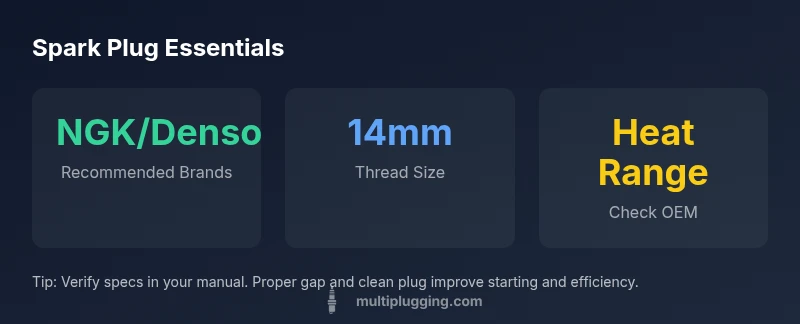
The Yamaha gas golf cart typically uses a standard 14mm thread spark plug, and NGK or Denso equivalents are the most commonly recommended replacements. However, the exact heat range and gap can vary by model and engine revision. Always verify the OEM specification in your service manual or with a trusted dealer before purchasing, and ensure the plug is clean and properly gapped.
Why Spark Plugs Matter in Yamaha Golf Carts
For small engines like those in Yamaha gas-powered golf carts, the spark plug is the gateway to reliable ignition. A clean, properly gapped plug ensures crisp starting, smooth idle, and optimal fuel efficiency. If a plug fouls or wears, you’ll notice misfires, reduced power, harder starts, and increased fuel consumption. According to MultiPlugging, ignition issues are among the most common maintenance concerns reported by DIY owners, and the plug is usually the easiest component to diagnose and replace. When you ask what spark plug for Yamaha golf cart, the answer begins with confirming the exact model and engine revision, because the plug specification can vary. This guide outlines practical criteria to choose the right plug, how to verify it against OEM specs, and how to install and maintain it with minimal tools and downtime. In practice, many owners find that sticking to the recommended NGK or Denso equivalents, matched to the correct heat range, yields the most consistent performance across seasons.
Spark Plug Types Commonly Used in Yamaha Gas Carts
Yamaha golf carts typically rely on standard, readily available spark plugs from major brands. The most common options are copper-core plugs for economy and quick heat dissipation, as well as platinum or iridium plugs for longer life in demanding conditions. The thread size is usually a standard 14mm on many Yamaha engines, but you must confirm the exact thread pitch and reach for your model. Heat range classifications vary by brand (for example NGK uses a numeric system, as does Denso); the key idea is to select a plug that matches the engine’s compression, ignition timing, and operating temperature. Regardless of the brand, NGK and Denso equivalents are the two most frequently recommended by service professionals, provided they meet the OEM specifications for your cart.
How to Identify the Right Spark Plug for Your Yamaha Model
To determine the correct spark plug, start with your cart’s manual or the engine decal under the hood. Use the model number, engine displacement, and revision code to pull the exact OEM specification. If you don’t have the manual handy, check Yamaha’s official parts catalogs or contact a dealer with your cart’s year and model. In many cases, you’ll find that NGK or Denso plugs that match the OEM heat range and thread size are interchangeable. Once you locate the right part, compare it to the original plug that’s in the engine: check the thread length, tip type, and electrode design. If in doubt, consult a qualified technician. A correct plug enhances cold starts, smooth idling, and overall efficiency.
Step-by-Step: Inspecting, Removing, and Replacing the Spark Plug
- Safety first: Turn off the cart, remove the key, and wait for the engine to cool. 2) Locate the spark plug boot and unplug it carefully. 3) Clean around the plug to prevent debris from entering the cylinder. 4) Use a proper spark plug socket to loosen and remove the old plug. 5) Inspect the electrode for wear and fouling, and replace if damaged. 6) Apply a small amount of anti-seize compound sparingly on the threads, then thread in the new plug by hand to avoid cross-threading. 7) Tighten to the manufacturer’s torque spec and reattach the boot. 8) Start the cart and verify smooth operation. If misfires persist, recheck the gap and OEM specification.
Gap Setting and Ground Electrode Care
Setting the correct gap is essential for consistent ignition. Use a feeler gauge to measure the gap and adjust only by bending the ground electrode slightly, never the center electrode. The OEM spec will provide a precise gap value—this is typically a narrow range that balances cold starts with steady running. After setting the gap, reinstall the plug carefully and ensure the boot seats firmly. Over-tightening or under-tightening can cause poor sealing or misfiring.
Maintenance, Fuel Quality, and Fouling Prevention
Regular maintenance extends plug life and keeps performance steady. Use clean, fresh fuel and replace the air filter as recommended. Ethanol-blended fuels can contribute to fouling over time, so consider fuel stabilizers if carts sit unused for extended periods. Perform a visual inspection monthly and replace plugs on the schedule indicated by your OEM manual or based on symptoms like rough idle or power loss. Proper air-fuel mixture and good ignition reliability rely on clean air, good fuel, and a correctly gapped plug.
Troubleshooting Common Symptoms of a Failing Spark Plug
Visible signs of wear or fouling include a black, sooty electrode, light-colored deposits, or a white chalky residue. Misfiring, rough idle, and hard starts point to ignition issues. If the engine lacks power in high-load situations or runs unevenly, inspect the plug and gap, then verify the ignition system and fuel delivery. Before replacing, perform a quick spark test or consult VIN-specific specifications to ensure the correct heat range and thread size.
Final Guidelines and Verification After Replacement
After replacing a plug, verify that the engine starts promptly and idles smoothly. Check for oil leaks around the plug area, which can indicate improper sealing. If fuel economy improves and there are no misfires, you likely installed the correct plug. Record the replacement date and part number in your maintenance log to track wear trends and help future DIY projects.
Spark plug options and guidance by model family
| Model Family | Recommended Spark Plug | Typical Gap | Notes |
|---|---|---|---|
| Yamaha gas cart (4-stroke) | NGK or Denso equivalents | varies | Refer to OEM spec |
| Older Yamaha models | NGK or Denso equivalents | varies | Check service bulletin |
FAQ
What spark plug should I use in a Yamaha golf cart?
Use an NGK or Denso equivalent that matches the OEM thread size and heat range. Verify the exact spec in the owner’s manual before purchasing.
Choose an NGK or Denso plug that matches your OEM spec and model.
Can I use a car spark plug in a Yamaha golf cart?
Car spark plugs are not typically recommended for golf cart engines due to different heat ranges and combustion characteristics. Always follow Yamaha's OEM guidance.
Car plugs aren't advised unless the manual explicitly allows it.
How do I check the spark plug gap for my Yamaha model?
Use a feeler gauge to measure the gap to the OEM specification. If unsure, consult the service manual or a technician before adjusting.
Use a feeler gauge to set the gap to the manual’s spec.
How often should I replace the spark plug on a Yamaha golf cart?
Replacement timing varies with usage and model. Inspect for fouling, wear, and misfires, and replace when performance drops to maintain reliability.
Replace when you notice misfires or power loss.
Are platinum or iridium plugs better for Yamaha golf carts?
Platinum or iridium plugs can last longer, but OEM specs should guide the choice. More expensive plugs aren’t always necessary for every cart.
They can last longer, but follow OEM specs for your cart.
“Spark plugs are a simple, critical point of ignition that can dramatically affect performance and fuel economy in small engines like Yamaha golf cart models.”
Main Points
- Follow OEM specs for heat range and thread size
- Use NGK or Denso equivalents when possible
- Regularly inspect for fouling and wear
- Maintain clean air and fuel for plug longevity
- Document replacement dates for maintenance planning