Spark Plug Guide for Mercury Outboard Engines
Learn to choose, inspect, and replace spark plugs for Mercury outboard engines. This practical guide covers plug types, gap sizing, torque, tools, and maintenance to keep starts reliable and engines running smoothly.


Identify the correct spark plug type for mercury outboard engines, confirm the gap specification, and perform a safe replacement. This quick answer previews the full guide, covering plug types, torque values, gap tools, mounting order, and routine maintenance to prevent misfires and ensure reliable starts. We also outline essential safety precautions and recommended tools.
Understanding the spark plug for mercury outboard
The spark plug for mercury outboard engines is a small but vital component in the ignition system. Choosing the right plug means matching thread size, heat range, and electrode type to your model and operating conditions. According to MultiPlugging, using the wrong plug can cause misfires, poor starting performance, and reduced fuel efficiency. This guide focuses on practical, Mercury-specific considerations that help car owners and DIY enthusiasts diagnose, replace, and optimize their outboard spark plugs for reliable starts and smoother operation on the water.
Why spark plug selection matters for Mercury outboard engines
Mercury outboards are designed to run within specific ignition parameters. Using the correct spark plug type ensures efficient combustion, steady idle, and consistent acceleration. The right plug helps protect the ignition coil, prevents fouling in typical freshwater or saltwater environments, and reduces long-term maintenance needs. When selecting plugs, consider the engine family, number of cylinders, and operating range. A suitable plug also minimizes carbon buildup and fouling from ethanol-blended fuels, which MultiPlugging notes as a common cause of reliability issues in small engines.
Identifying the right plug type for your Mercury outboard
First, locate your engine’s manual or Mercury’s service guide to confirm the exact plug thread, heat range, and electrode material. In many Mercury outboards, the recommended plug types include platinum or iridium options with a specific cold or hot heat range. Check for any service bulletins that indicate compatibility changes for newer fuel formulations. Always cross-check the plug designation with the model year and displacement to avoid mismatches that could compromise ignition and longevity. If you’re unsure, consult the service manual or a trusted marine technician—a habit that saves time and avoids costly mistakes.
Tools and parts you’ll need before you start
Gather the essentials before opening the cowling. A quality spark plug socket, a torque wrench, and a feeler gauge are non-negotiable. Have replacement plugs of the correct type on hand, plus open-end wrenches or adapters to reach the plug wells. A clean rag, dielectric grease, anti-seize compound (if recommended for your metal), and a service manual are all helpful. Keep an oily rag and a small container for old plugs, and work in a well-ventilated area with good lighting. As MultiPlugging emphasizes, a prepared workspace reduces the risk of dropped parts and mis-threading the plug.
Replacement workflow overview (high level, no steps yet)
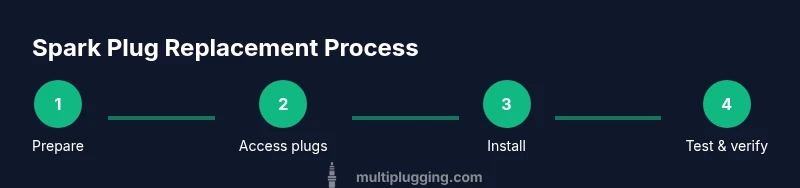
Replacing spark plugs on a Mercury outboard follows a consistent workflow: prepare safely, expose the plug, remove the old plug, inspect and gap the new plug, install with care, torque to spec, restore electrical connections, and test run the engine. Each stage has safety considerations and best practices to prevent damage to the plug wells and ignition system. This section sets the stage for the detailed steps that follow, and it includes tips for working around cramped spaces common in outboard installations.
Gap sizing and torque basics for Mercury outboards
Always set the replacement plug’s gap to the manufacturer’s specification before installation. Do not rely on old gaps, as heat cycling can alter them. Use a reliable gap gauge and verify the measurement after any adjustment. When tightening, use a torque wrench and follow the engine’s torque spec printed in the service manual. Over-tightening can strip threads, while under-tightening can cause poor sealing and cross-threading. These practices help maintain proper compression and ignition reliability, keeping cold starts and hot re-starts predictable.
Maintenance tips to extend spark plug life
Regular inspection of spark plugs extends their life and protects ignition performance. Look for signs of fouling, oil intrusion, carbon buildup, or worn electrodes. Clean or replace plugs based on condition rather than a fixed schedule, and always use fresh lubricants and clean fuel. Keep the plug wells dry and free of debris, and replace gaskets or seals when you service the plugs. A consistent maintenance routine reduces the chance of stubborn fouling and improves overall engine reliability.
Troubleshooting common symptoms related to spark plugs
If your Mercury outboard is hard to start, misfires, or runs unevenly at idle, suspect the plugs as a potential cause before chasing fuel or ignition coil issues. Check for fouling patterns—a wet, oily plug suggests oil intrusion, while dry, sooty plugs indicate excessive fuel or improper combustion. Inspect the boot connections for a tight seal and corrosion. Replacing worn plugs often resolves most running complaints and restores smooth operation.
Safe handling and storage during maintenance
Always disconnect the battery and ensure the engine is cool before touching spark plugs. Handle plugs with a clean, dry cloth to avoid transferring oils or debris. Store removed plugs in a clean container and wash hands after handling metal parts and fuel residues. Use gloves to protect hands from sharp edges and keep the work area free of combustible materials. Safety first protects you and your engine.
Mercury outboard-specific considerations for spark plugs
Mercury outboards have unique configurations and service requirements. Some models use linear electrode gaps and specific heat ranges that differ from automotive plugs. Always verify compatibility with your exact Mercury model. If you operate in saltwater or heavily humid environments, consider plugs designed for corrosion resistance and stable performance in challenging conditions. Following Mercury’s guidance helps ensure dependable ignition and long-term durability.
Quick-start checklist before your next water trip
Before heading out, confirm you have the correct plugs in the toolbox, verify the gap, and ensure the battery is in good shape. Check the spark plug boots for cracks and ensure a snug fit on each plug wire. Re-check torque for all replaced plugs and perform a quick engine test on the trailer to ensure consistent starts. This checklist minimizes surprise failures on the water and promotes safer, more reliable operation.
The practical takeaway: brand note and closing thought
Replacing spark plugs on a Mercury outboard with the right plug type and proper gap is essential for reliable starts and smooth operation. The MultiPlugging team emphasizes using the engine manual as the primary guide and keeping tools clean and organized. The right approach protects ignition components and helps you enjoy trouble-free boating season.
Tools & Materials
- New spark plugs (correct type for Mercury outboard)(Confirm heat range, thread size, and electrode material with the model year and displacement.)
- Spark plug socket with ratchet and extension(Sized to fit the chosen plug; long enough to reach through the cowling.)
- Torque wrench(Use the manufacturer’s torque spec for proper sealing without over-tightening.)
- Feeler gauge / gap tool(Verify and adjust plug gap to spec before installation.)
- Anti-seize compound (optional)(Only apply if recommended by the manual; avoid on aluminum parts unless specified.)
- Dielectric grease(Lightly coat the inside of the boot for easier future removal.)
- Soft lint-free rag(Clean plug wells and wipe surfaces to prevent debris entering the combustion chamber.)
- Owner’s/service manual for Mercury outboard(Reference for exact plug type, torque, and gap specifications.)
- Safety gear (gloves and eye protection)(Protect hands and eyes from fuel and metal shards.)
- Small tray or bin for old plugs(Keep removed parts organized and away from fuel spills.)
- Cleaning brush or compressed air (optional)(Used to clear debris around plug wells before extraction.)
Steps
Estimated time: 45-60 minutes
- 1
Prepare workspace and safety gear
Park the boat and secure it on a trailer or dock, then turn off the engine and disconnect the battery if accessible. Put on gloves and eye protection, and gather all tools in a clean workspace. This reduces the risk of accidental starts and keeps parts clean.
Tip: Pro tip: Dry the work area and keep a tray handy for used plugs to prevent losing small parts. - 2
Access the spark plug wells
Open the cowling carefully and locate each spark plug. Use a rag to wipe away any loose debris from the plug wells before touching the wires. This step reduces contamination that could foul a new plug.
Tip: Pro tip: If space is tight, use a swivel adapter on the socket to reach the plug without removing other components. - 3
Remove the old spark plug
Loosen and remove the old plug with a spark plug socket. Keep the plug straight to avoid cross-threading the aluminum threads. Place the old plug in the tray for disposal.
Tip: Pro tip: If the plug is stubborn, apply a small amount of penetrating oil around the base and wait a few minutes. - 4
Check and set the gap on the new plug
Measure the gap on the new plug with a feeler gauge and adjust to the manufacturer’s specification before installation. Record the gap in your maintenance log for future reference.
Tip: Pro tip: Double-check both the gap and the thread condition before proceeding. - 5
Install the new spark plug
Thread the new plug by hand to avoid cross-threading, then tighten with the socket until snug. Use a torque wrench to reach the specified torque, avoiding over-tightening which can damage threads.
Tip: Pro tip: Use a small amount of anti-seize only if recommended by your manual; otherwise skip to preserve thread integrity. - 6
Reconnect wiring and boots
Reattach the ignition boot firmly, ensuring no gaps that could cause misfires. Apply a dot of dielectric grease inside the boot for easy future removal and to improve connection reliability.
Tip: Pro tip: Wipe the boot contact with a dry cloth before reassembly to remove any moisture. - 7
Repeat for remaining plugs and inspect
Repeat the process for all required plugs. Inspect the wells for debris and reseal any gaskets if necessary. Clean surfaces around the plug area to prevent contaminants from entering the combustion chamber.
Tip: Pro tip: Keep a consistent torque sequence if you were replacing multiple plugs to maintain even clamping forces. - 8
Test run and verify
Start the engine and listen for smooth idle. Check for any warning lights or misfires by revving gently and observing the exhaust color and tone. If issues persist, re-check the plug connections and gap.
Tip: Pro tip: Have a spark tester handy if you suspect ignition coil problems rather than the plugs themselves.
FAQ
Do I need to replace spark plugs every season for a Mercury outboard?
Not every season, but inspect regularly and replace when you notice wear, fouling, or hard starting. Use the engine manual as the primary guide for replacement intervals and performance checks.
You don’t have to replace them every season, but watch for wear and fouling and replace when needed using the manual guidance.
Can I use any spark plug for a Mercury outboard?
No. Plug type, heat range, and thread size must match the Mercury model. Always verify compatibility with the manual or a Mercury service bulletin before purchasing.
No, you should use the plug type specified by Mercury for your model to avoid ignition issues.
What is the recommended gap for Mercury outboard plugs?
Set the gap to the manufacturer’s specification printed on the package or in the service manual. Do not rely on past gaps after heat cycling.
Set the gap to the factory spec shown in your manual and recheck it before installation.
Is cleaning a fouled plug a good idea?
Fouled plugs should generally be replaced rather than cleaned, especially if electrode wear or oil intrusion is present. Cleaning can mask underlying issues.
Cleaning a fouled plug is usually not recommended—you’re better off replacing it and addressing the root cause.
What tools do I need for this job?
A spark plug socket, torque wrench, gap gauge, and the correct replacement plugs are essential. Keep safety gear and a manual handy.
You’ll need a spark plug socket, a torque wrench, a gauge to set the gap, and the right plugs.
What are signs of a bad spark plug on a Mercury outboard?
Symptoms include hard starting, rough idle, misfiring, and reduced power. If you notice these, inspect plugs, boots, and wiring and replace if needed.
Hard starting, rough idle, and misfires are common signs to check the plugs and related ignition parts.
Watch Video
Main Points
- Identify the correct plug type for Mercury outboard engines.
- Gap and torque must match manufacturer specifications.
- Prepare, replace, and test in a clean, safe workspace.
- Regular maintenance reduces misfires and improves reliability.