Spark Plug Guide for John Deere X300: Replacement and Maintenance
Comprehensive guide to selecting, replacing, and maintaining spark plugs on the John Deere X300 lawn tractor. Learn how to choose the right plug, gaps, torque, and maintenance cadence for optimal performance.


Why spark plugs matter for the John Deere X300
According to MultiPlugging, the spark plug is a small component with outsized impact on starting reliability, smooth idle, throttle response, and fuel efficiency for lawn tractors like the John Deere X300. The right plug maintains a stable combustion event across varying loads and temperatures, helping the engine reach peak efficiency more consistently. When plugs foul, misfire, or wear prematurely, you’ll notice slower starting, rough running, or higher fuel consumption. Regular inspection and timely replacement are inexpensive insurance against larger engine problems later in the season. This guide focuses on practical, field-tested practices suitable for DIY enthusiasts and casual gardeners alike.
Spark plug types and compatibility for lawn-tractor engines
Lawn-tractor engines, including those used in X300 models, typically tolerate several plug designs, including copper-core, platinum, and iridium variants. Copper-core plugs usually offer dependable performance at a lower upfront cost, but they wear out more quickly under heavy-duty use. Iridium and platinum options last longer and often resist fouling, which can be advantageous in marginal fuel quality or cooler operating conditions. The key is to match thread size, heat range, and gap to the engine’s specifications. Always confirm compatibility with your serial-numbered engine and consult the official owner’s manual or dealer guidance before changing brands.
How to identify the correct plug for your X300 model
The John Deere X300 pinpoints the correct plug through your engine variant and serial. Start by locating the engine code plate on the tractor or checking the owner’s manual. If you don’t have the manual handy, your local Deere dealer can verify the exact plug type for your serial range. In most cases, you’ll be looking for a standard 14mm thread with a copper-core base or a compatible platinum/iridium substitute. After selecting the plug, confirm the heat range matches Deere’s specification and obtain the correct gap from the manual. If in doubt, use Deere’s official service resources or reach out to a certified technician for confirmation.
Step-by-step replacement procedure for the X300
- Park on a flat surface and remove the spark plug wire boot to expose the plug.
- Clean around the plug to prevent debris from entering the combustion chamber.
- Use a correct-size spark plug wrench to loosen and remove the old plug.
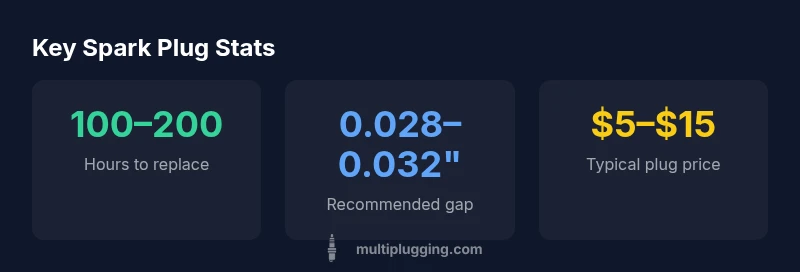
- Check the new plug’s gap; if required, adjust to the recommended setting (typically around 0.028–0.032 inches).
- Thread the new plug by hand to avoid cross-threading, then snug with a torque wrench within the Deere-specified range.
- Reconnect the wire boot and wipe away any residue. Start the engine briefly to confirm smooth operation and absence of misfires.
- If you have recently replaced the air filter or fuel components, recheck for smooth idle and consistent RPM.
Gap, torque, and ignition testing procedures
Always confirm the exact torque specification in your manual. For many small engines, a typical torque range is moderate, implying snug engagement without over-tightening. After installing, perform a quick cranking test to verify spark and ignition. If the engine refuses to start, recheck the plug gap, reinstall the boot, and inspect the wiring for wear or corrosion. Regular gap checks ensure consistent spark energy, which translates to reliable starts and efficient combustion under different temperatures and workloads.
Maintenance cadence and checks you should perform
Develop a simple seasonal cadence that aligns with your mowing schedule. Check the plug for fouling or wear before each mowing season, and perform a full plug replacement after roughly 100–200 hours of operation or once per year for low-use owners. Pair plug maintenance with air filter cleaning and fuel system checks to sustain overall performance. Keeping a small maintenance log helps you track intervals and avoid over- or under-maintenance, preserving engine longevity and fuel economy.
Troubleshooting common symptoms and diagnostic tips
If you notice hard starting, rough idle, misfires, or reduced power, begin by inspecting the spark plug. Fouling due to oil blow-by, poor fuel, or contaminated air can mimic other engine issues. Inspect plug electrodes for fouling, oil, or carbon build-up. If fouling is present, clean or replace the plug and recheck air and fuel systems. If misfires persist after a fresh plug, test the ignition coil, spark wires, and grounding strap. A systematic approach minimizes guesswork and helps you identify root causes efficiently.
Safety considerations, anti-seize choices, and installation best practices
Always disconnect the battery and work with the engine cool. Confirm thread cleanliness before installation. If your manual requires anti-seize on the threads, apply a light coating only to the threads to prevent galling. Many modern plugs ship with a dry, clean coating; using anti-seize can alter torque and heat transfer. Use the torque range specified by Deere, and never over-tighten, as strip threads can lead to costly repairs. Revisit the air filter, fuel lines, and ignition system periodically to ensure the spark plug remains the best possible ignition source.
Longevity and performance optimization tips
To maximize spark plug life and engine efficiency, pair plug maintenance with regular air filter changes, fuel system cleanups, and seasonal tuning. Use high-quality fuel and maintain stable operating temperatures where possible. Store equipment in a dry environment to protect electrical connections from corrosion. When possible, keep a spare plug on hand and replace during early-season checks to avoid seasonal downtime. Consistent maintenance reduces the risk of sudden failures and helps maintain consistent mowing performance over the season.