Spark Plug for Generator: Diagnosis, Replacement, and Maintenance
A practical, step-by-step guide to diagnose, replace, and maintain the spark plug for your generator. Learn tool needs, safe practices, proper gap, and troubleshooting to ensure reliable start-ups and efficient operation.


Goal: diagnose, replace, and maintain the spark plug for generator performance. You’ll need basic hand tools, a spark plug socket, a gap gauge, and the correct plug type as specified in your generator manual. Follow the steps to safely remove the old plug, install a new one, set the proper gap, and test the engine for smooth starts.
Why the spark plug matters for generator performance
A spark plug is the ignition heart of your generator's combustion process. It creates the spark that ignites the air-fuel mixture inside the cylinder. When the plug is worn, fouled, or improperly gapped, starting becomes difficult, power output drops, and fuel efficiency suffers. A bad plug can cause misfires, rough running, or stalls, especially under load. For extension, a generator's plug may experience fouling from oil or carbon buildup, which inhibits the spark and increases electrode erosion. Regular inspection helps you catch wear before it leads to bigger failures.
According to MultiPlugging, regular maintenance of the spark plug for generator performance has a strong link to reliable starts and smooth operation. Always verify you’re using the correct plug type for your model—incorrect heat range or electrode design can impair ignition. In portable generators used in warm climates or heavy loads, carbon fouling can be more common; in cold climates, wet fouling from condensation can be a factor. The goal is a crisp spark at the correct timing, paired with clean fuel and proper air intake. A well-maintained spark plug also minimizes unburned fuel and reduces emissions, contributing to a more dependable generator in emergencies.
Tools & Materials
- Spark plug socket with rubber insert(3/8 in or 1/2 in drive, fits plug size; prevents dropping the plug)
- Ratchet wrench(3/8 in or 1/2 in drive; selects appropriate torque range)
- Gap tool or feeler gauge(Used to set the correct electrode gap per manual)
- New spark plug matching model specification(Exact part number per generator manual; pre-gap is common but verify with gauge)
- Anti-seize compound (optional, per manual)(Apply sparingly on threads if the manual allows)
Steps
Estimated time: 15-25 minutes
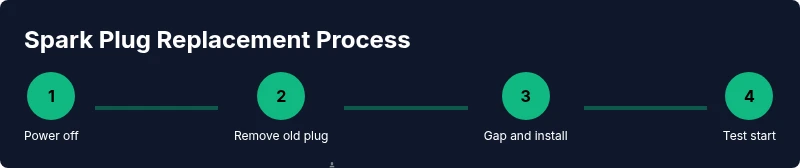
- 1
Power down and locate plug
Turn off the generator, remove the spark plug cap, and locate the plug seated in the cylinder head. Ensure the area is cool before handling to prevent burns. Confirm you have the correct plug type for your model.
Tip: Use the owner’s manual to locate the exact plug position and model number before removal. - 2
Disconnect plug wire safely
Carefully disconnect the spark plug wire boot without pulling on the wire itself. Ground the open end of the plug to prevent accidental arcing while you work. This minimizes the risk of shock or sparks.
Tip: If the boot proves stubborn, twist gently while pulling to avoid damaging the wire. - 3
Remove the old plug
Use the spark plug socket to turn counterclockwise and remove the old plug. Check the electrode for wear, deposits, or oil. Compare the old plug with the new one to ensure correct size and type.
Tip: Take note of any unusual deposits to help diagnose engine issues later. - 4
Check and set the gap
If the new plug is not pre-gapped, use a gap tool to set the precise gap recommended in the generator manual. A wrong gap can cause misfires or starting problems.
Tip: Double-check the gap after tightening the plug to account for distortion during installation. - 5
Install the new plug
Thread the new plug by hand first to avoid cross-threading, then snug with the socket. Do not overtighten; follow the manual’s torque guidance if available.
Tip: If using anti-seize, apply only as directed by the manual and only on the threads. - 6
Reconnect and test the engine
Reconnect the plug wire boot, restore power, and perform a test start under load to confirm smooth ignition and reliable idle. If issues persist, recheck gap and consider fuel conditions or ignition timing.
Tip: Record the plug type and gap for future maintenance reminders.
FAQ
Do I need to disconnect the spark plug wire before removing the plug?
Yes. Always remove the spark plug wire boot and detach the wire before loosening the plug to prevent shorts or shocks. Ground the plug if possible to avoid accidental arcing.
Yes—disconnect the wire and ground the plug to avoid sparks while you work.
What is the correct spark plug gap for most generators?
Gap specifications vary by model. Check your generator’s manual or the plug packaging to confirm the exact gap. Do not guess, as the wrong gap can affect starts and performance.
Gap varies by model; refer to the manual for the exact specification.
How often should I replace a spark plug in a generator?
Replace when you notice fouling, wear, or after the service interval recommended by the manufacturer. Regular checks help prevent unexpected startup failures.
Follow the manufacturer’s interval and inspect for wear during routine maintenance.
Can I use a car spark plug in a generator?
Not generally recommended. Use a spark plug designed for small engines or the one specified in your generator’s manual to ensure correct heat range and ignition performance.
Avoid car plugs—stick to small-engine plugs the manual recommends.
What are common signs of a fouled spark plug?
Common signs include hard starts, rough idling, misfires, and reduced power under load. Inspect the electrode and replace if deposits are present.
Watch for hard starts or rough running as signs to inspect the plug.
Watch Video
Main Points
- Use the correct spark plug type for your generator
- Set the precise gap per the manual before installation
- Always disconnect the wire and test after replacement
- Maintain proper safety and handling to avoid damage or injury