Hyundai Sonata Spark Plugs: Replacement Guide (2026)
Learn to diagnose, gap, remove, and replace Hyundai Sonata spark plugs with a practical, step-by-step DIY guide. This MultiPlugging guide covers tools, safety, torque basics, and testing for smooth performance across Sonata engine variants.


Goal: safely inspect and replace the Hyundai Sonata spark plugs and verify ignition quality. You’ll learn which tools you need, how to identify worn plugs, how to gap and torque correctly, and how to test drive for smooth idle and power. This hands-on guide reflects MultiPlugging’s practical, DIY-focused approach.
Hyundai Sonata Spark Plugs: Why They Matter
Spark plugs are the ignition spark that lights the air-fuel mix inside your Hyundai Sonata’s cylinders. When plugs wear out, you’ll notice rough idle, reduced power, poorer fuel economy, and occasional misfires. According to MultiPlugging, keeping the spark plugs in good condition is one of the most cost-effective DIY maintenance tasks for car owners. In practical terms, healthy plugs help your Sonata start reliably, run smoothly at idle, and deliver consistent acceleration. Regular checks also help catch fouling from oil, coolant, or overly rich fuel mixtures before they cause more serious issues. This guide focuses on the Hyundai Sonata and translates general plug knowledge into a clear, engine-specific process. If you own a Sonata with coil-on-plug ignition, you’ll find the replacement steps align with a typical modern four-cylinder layout, but always verify you’re working on the correct cylinder with your VIN and manual.
Key takeaways:
- Worn plugs degrade spark energy and efficiency.
- Symptoms often overlap with other ignition issues, so testing matters.
- Using the correct plug type and gap is essential for your engine.
Engine Variants and Spark Plug Styles in the Sonata
The Hyundai Sonata has seen several engine variants over its generations, and the spark plug type can vary accordingly. In practice, you may encounter copper cores, platinum, or iridium plugs, and some engines use different heat ranges. The right choice depends on your engine code and the service manual. The recommended gap and torque values are engine-specific and must be verified in the owner’s manual or a reputable Hyundai service bulletin. The MultiPlugging team notes that most owners will benefit from replacing worn plugs with OEM-equivalent or high-quality aftermarket plugs that match the original heat range. Always cross-check the exact plug part number for your Sonata’s engine variant and year.
Guidance from MultiPlugging: always confirm your engine variant before buying plugs, and don’t mix plug types across banks if your Sonata uses a multi-plug setup.
Tools and Replacement Parts You'll Need
Before you start, gather the tools and parts listed in the Tools & Materials section. You’ll need a spark plug socket, a torque wrench, a ratchet, extensions, U-joint if needed, and a gap tool for certain plug types. You’ll also need a set of new spark plugs that match your engine’s specification, dielectric grease for coil boots, and anti-seize compound only if your service manual calls for it. If you’re working with a coil-on-plug design, you’ll access each plug by removing the coil packs. Never force a coil or plug; if a boot is stiff, use the proper pull technique to avoid tearing.
Note from MultiPlugging: refer to your Sonata’s VIN-specific service bulletin to confirm the right parts and torque values for your exact engine.
Step-by-Step Replacement Overview
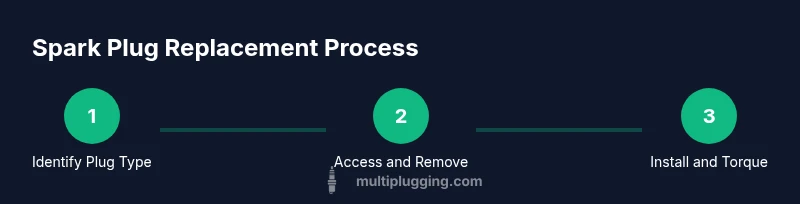
Replacing Hyundai Sonata spark plugs is a straightforward, repeatable task when you follow the correct steps and tools. Start by confirming you have the correct plug type for your engine, then safely access each plug well. Remove the coil boot, loosen the plug, and extract it carefully to prevent damage to the cylinder head or threads. Install the new plug by threading it by hand first, then snug with a torque wrench to specification, and re-connect the coil boot. Repeat for each plug, reseal any ignition wiring, and re-check everything before starting the engine. The process emphasizes systemized, torque-conscious handling to minimize cross-threading or misalignment.
Pro tip: work in a clean, bright area and keep a magnetic pickup tool handy to catch dropped parts.
Diagnosing Spark Plug Problems in a Hyundai Sonata
If you notice rough idle, misfires, or hesitation under load, suspect the spark plugs as a potential cause. A simple visual inspection can reveal fouling, oil deposits, or carbon buildup on the electrode, which signals replacement is overdue. In some Sonata models, misfires can be caused by ignition coil faults, wiring issues, or injector cleanliness, so diagnose methodically: inspect plugs first, then coils, then fuel delivery. The goal is to identify whether misfires originate from ignition components or the fuel system. The MultiPlugging team recommends starting with a plug inspection and, if needed, performing a controlled compression test to rule out mechanical problems.
Gap, Torque, and Installation Best Practices
Correct gap and torque are critical for reliable ignition. Use the gap tool and follow the engine’s specified range for your Hyundai Sonata’s spark plugs. When installing, start threads by hand to avoid cross-threading, then tighten with a torque wrench to the manufacturer’s spec. If your service bulletin allows anti-seize on the threads, apply sparingly and only where recommended. After installation, carefully seat the coil or plug boot without twisting, to prevent damage to the boot and connector. Keeping the plug wells clean during removal and installation reduces the chance of debris entering the engine.
Maintenance Tips to Extend Plug Life
To maximize spark plug life in your Hyundai Sonata, keep the ignition system components clean and dry, use high-quality fuel, and replace plugs on a sensible maintenance schedule. Always use the recommended plug type and avoid mixing different plug types in a single engine bank. Regularly inspect ignition coils and wires for wear, and use dielectric grease on coil boots to ensure reliable electrical contact. A well-maintained charging system and air-fuel mix help plugs last longer, while frequent short trips and harsh driving can accelerate wear.
Common Mistakes and How to Avoid Them
Common mistakes include over-torquing plugs, misaligning the coils, and forcing the boot onto a stubborn plug. Another error is using the wrong gap for the plug, which can cause weak ignition or misfires. Always verify the correct heat range and gap value for your engine variant, and never skip the torque step. If you aren’t sure about the engine variant, consult the owner’s manual or a certified Hyundai technician for guidance.
When to Replace Plugs: Signs and Scheduling
Know when to replace Hyundai Sonata spark plugs by paying attention to warning signs: rough idle, reduced power, drops in fuel economy, or difficulty starting. If you experience one or more of these signs, plan a replacement. Adhering to the maintenance schedule in your owner’s manual helps keep the ignition system in peak condition. The goal is proactive replacement before significant performance degradation occurs.
Tools & Materials
- Spark plug socket with 6-inch extension(Magnetic tip preferred to hold the plug; use a swivel head for tight spaces)
- Torque wrench(Set to the manual’s specified torque; for most engines avoid over-tightening)
- Ratchet handle(Medium-length for reach without slipping on the plug well)
- Gap gauge or feeler gauges(Only if your plugs require a gap check by specification)
- New spark plugs (correct type for Hyundai Sonata engine)(Verify heat range and electrode type per owner’s manual)
- Dielectric grease(For coil boots to improve electrical contact and ease removal later)
- Anti-seize compound(Only if recommended by the service manual; apply sparingly)
- Torque-limiting lanyard or spark plug gapper tool (optional)(Helpful for precision in tight spaces)
- Magnetic pickup tool(Helpful for retrieving dropped components in deep wells)
Steps
Estimated time: 60-90 minutes
- 1
Prepare and locate plugs
Park the car on a flat surface, engage the parking brake, and open the hood. Locate the spark plug wells on the engine, identifying which coil packs or boots cover each plug. Confirm you have the correct replacement plugs for your Hyundai Sonata engine variant.
Tip: Take a photo of each coil/wiring arrangement before removing anything to avoid confusion when reassembling. - 2
Disconnect ignition components
Carefully detach the coil boot or ignition coil connector corresponding to the first plug. Do not pull on the wire; grip the boot or connector base. This reduces the risk of wire or coil damage during removal.
Tip: Label each boot if you’re dealing with multiple plugs to prevent reassembly mistakes. - 3
Loosen and remove the old plug
Attach the spark plug socket to the extension and ratchet, fit over the plug, and loosen counterclockwise. Once loose, lift the plug straight out with a gentle pull. Avoid yanking to prevent thread damage in the cylinder head.
Tip: If the plug resists, recheck the angle and try a small, steady rotation rather than force. - 4
Inspect the old plug
Look at the electrode, insulator, and shell for signs of wear, carbon buildup, oil fouling, or excessive gap. A fouled plug often points to oil leaks or misfiring issues elsewhere in the ignition system.
Tip: Document findings for each plug location in case you need professional service later. - 5
Gap and prepare the new plug
Check the gap on the replacement plug with the gap gauge if required by the plug type. If needed, adjust the gap to the manufacturer’s spec using a precise method. Clean the threads with a rag if you see debris.
Tip: Only adjust gaps if the plug type requires it; many modern plugs arrive pre-gapped from the factory. - 6
Install the new plug
Thread the new plug by hand to seat it and avoid cross-threading. Then use the torque wrench to bring it to the specified torque. Re-seat the ignition boot or coil without twisting.
Tip: Tighten in small increments to feel the resistance; never use a breaker bar to exceed the torque spec. - 7
Reconnect and repeat
Reconnect the ignition boot or coil for the next plug. Move to the next location and repeat removal, inspection, gap-checking, and installation for all listed plugs.
Tip: Keep bolts and boots organized; a tidy workspace reduces misplacement risk. - 8
Final checks and test
Reassemble all wiring, start the engine, and listen for a smooth idle. If misfires occur, recheck plugs and coils for proper seating and gap. A short test drive helps confirm ignition performance.
Tip: If the engine runs rough initially, dry off any spilled fluids and re-test after a cooldown period.
FAQ
How do I know if my Hyundai Sonata spark plugs need replacement?
Signs include rough idle, misfires, reduced power, and lower fuel economy. A visual inspection may show fouling or heavy deposits. Always confirm with gap checks and, if needed, a compression or ignition diagnostic.
Look for rough idle or misfires and check for deposits on plugs; use the gap gauge to confirm replacement needs.
What type of spark plug should I use for my Hyundai Sonata?
Use the plug type and heat range specified in your owner’s manual or Hyundai service bulletin. Do not mix different plug types in a single engine bank, and choose OEM-equivalent or manufacturer-approved aftermarket plugs.
Follow the owner’s manual for the exact plug type; avoid mixing different kinds inside the engine.
Can I replace spark plugs without removing coils in a Hyundai Sonata?
Most Sonata models with coil-on-plug ignition require coil removal to access each spark plug. Some engines may share connectors; follow the exact wiring diagram for your year and engine variant.
Typically you need to remove the coil for each plug to access it.
Should I use anti-seize on spark plug threads?
Only apply anti-seize if your Hyundai service bulletin specifically calls for it. For most modern engines, manufacturer guidance says to avoid general anti-seize on plug threads to prevent over-torque issues and cross-threading.
Only use anti-seize if the manual says so; otherwise skip it to avoid over-tightening.
How long does a spark plug replacement take on a Hyundai Sonata?
A typical replacement session takes about an hour or so, depending on engine variant and access to the plugs. If you’re doing it for the first time, set aside extra time and work carefully.
Plan for around an hour, more if it’s your first time.
Watch Video
Main Points
- Inspect plugs regularly for misfires and fouling
- Use the correct plug type and gap as specified
- Follow torque specs to prevent thread damage
- Inspect ignition coils and boots for wear
- Test drive to confirm ignition performance