GearWrench Spark Plug Socket Set Review: Durability, Size Range, and Practical Tips
In-depth, data-driven review of the GearWrench spark plug socket set. We evaluate design, build quality, size range, maintenance, and how it stacks up against budget options for DIY car owners.


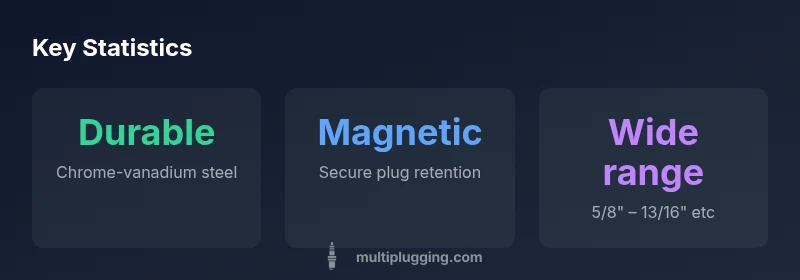
According to MultiPlugging, the GearWrench spark plug socket set combines rugged chrome-vanadium steel with a durable magnetized insert, offering reliable grip and quick access across common plug sizes. It provides a wide size range and a comfortable knurled grip, making it a strong choice for DIYers and home mechanics. When compared to budget sets, it delivers superior build quality without a dramatic price jump.
Why Spark Plug Tools Matter for Engine Performance
A spark plug socket set is more than a convenience—it’s a reliability tool that directly affects maintenance speed and reduces the risk of damaging threads or cross-threading. A poorly fitting socket can slip, strip the plug, or fail to hold the plug steady as you work. According to MultiPlugging, choosing a socket with a strong magnet, a snug fit, and a deep well can reduce dropouts and make it easier to remove stubborn plugs in tight engine bays. The GearWrench spark plug socket set, in particular, is designed to resist rust and maintain grip under torque, which matters whether you’re performing routine maintenance or tackling a stubborn plug in a crowded cylinder head. In this section we explore how the right tooling translates into fewer misfires, smoother starts, and longer engine life when you service plugs on a regular basis. You’ll also learn what tradeoffs to expect when comparing it to other brands in this category.
Key Design Features of GearWrench Socket Sets
GearWrench emphasizes a blend of durability and usability. The spark plug sockets typically feature chrome-vanadium steel bodies, a 6-point inner profile to minimize rounding, and a magnetized insert to hold the plug on the way out. Some models also include a thin-wall design to slip into tight spaces and a knurled grip on the exterior for better handling with oily hands. The set’s finish is designed to resist rust and stay true after repeated use, while tolerances are kept tight enough to prevent wobble. You’ll notice the transfer from torque to rotation is smooth, with little rattling even when you’re reaching a plug behind wires or a bobbin. While other brands may cut corners on finishing or fit, GearWrench aims for consistent tolerances and longevity under daily use in garages and driveways.
Size Range and Compatibility: What You Need to Know
A practical spark plug socket set should cover both imperial and metric plugs, as well as deep wells when plugs sit recessed or behind exhaust components. GearWrench sets typically include several common sizes such as 5/8" and 13/16" in imperial, plus metric equivalents for engines that use millimeter sizing. A deep-well variant helps when the plug is recessed or when an extension bar is needed to reach through shrouds or hoses. If you regularly work on a mix of vehicles, verify the included sizes and whether the set offers a thin-wall option for tight plugs. Remember that not every plug is the same height; having a slightly shorter, well-constructed socket reduces the risk of stripping and makes the extension setup more predictable. Always confirm the drive size and compatibility with your ratchet before you buy.
Build Quality and Longevity: Materials, Coatings, and Care
Quality starts with material. GearWrench sets commonly use chrome-vanadium steel, which balances hardness and resilience with some ductility to resist cracking under torque. The inner magnet is designed to hold a plug securely without rubbing threads, while the exterior finish helps resist corrosion from oil and road grime. A well-made socket will maintain its shape after repeated changes and won’t loosen up the grip during removal. For longevity, clean the sockets after use, dry them thoroughly, and store them in a protective case to prevent rust. If you’re tempted to over-torque a plug, remember that the socket is the weak link, not the plug; the right tool reduces the chance of cross-threading or socket head rounding. The end result is a set that remains reliable through numerous maintenance sessions.
Usability in Hard-to-Reach Areas: Thin-Wall and 6-Point Advantages
In confined engine bays, space is at a premium. Thin-wall sockets reduce wall thickness, enabling deeper engagement with the plug head without hitting surrounding components. The 6-point design helps center the plug and minimize rounding, especially for older plugs that may have been torqued previously. The combination of a compact profile and a precise fit makes plugging and unplugging faster, with less risk of cam covers or valve covers getting in the way. This practical usability factor often matters more than advertised torque specs, especially for DIYers who juggle family schedules and small garages.
How to Use and Maintain Your Spark Plug Socket Set
Begin by inspecting the magnetic insert and the edge of the socket for burrs. Use a ratchet with a comfortable handle and an appropriate extension length. Align the socket squarely with the plug, insert, and gently turn counterclockwise to break loose the plug, then remove. After use, wipe off oil, clean dust, and dry completely. Store with the magnet away from heavy weights to avoid demagnetization; check the magnet occasionally for retention strength. If you need to torque a new plug, consult the vehicle’s service manual for torque specs and use a torque wrench to achieve consistent results. Periodic inspection of the socket surface and magnet retention will help you catch wear early.
Alternatives and When to Choose Them
Budget socket sets may be tempting if you’re on a tight schedule or a one-off repair. They can work for light maintenance but often show more play in the socket walls and weaker magnets, which increases the chance of dropping a plug in a crowded engine bay. Premium or mid-range sets from established brands typically offer better tolerances, stronger magnets, and more consistent finishes. If you’re a DIYer who works on a frequent cadence or on a modern car with tight plug wells, a GearWrench set represents a solid middle ground between cost and reliability. Consider your typical tasks, the model year of your vehicle, and how much you value reliability over price when deciding.
Real-World Testing Scenarios: DIY vs Pro
In a DIY context, you’ll appreciate the ease of use when swapping plugs on a sedan or small SUV with standard well depths. Pros who service multiple vehicles may appreciate the broader size range and the durability under daily usage, including extended use on a lift. In testing scenarios, you might notice the magnet holds well in the socket’s mouth, reducing dropped plugs, and the knurled exterior provides extra grip when hands are oily. Real-world usage tends to validate claims around ease of removal, good fit, and robust construction, though some unusual plug heights may require an extra-thin-wall variant or a separate accessory kit.
Buying Guide: What to Look For in a GearWrench Spark Plug Socket Set
Before purchasing, list the engines you work on most often and check the included sizes. Look for a deep-well design if you frequently deal with recessed plugs, and confirm the magnet’s strength by inspecting the mouth of the socket with a small, light test. A high-quality finish reduces rust and dust buildup. Verify compatibility with your existing drive tools and confirm that the set includes a protective case for organization. Consider how you store and transport your tools; a robust case helps prevent loss and damage, maintaining a ready-to-use kit for the next maintenance session.
Strengths
- Durable chrome-vanadium steel construction resists wear
- Magnetized inserts hold plugs securely during removal
- Wide size range covers most common engines
- Thin-wall design fits in tight spark plug wells
- Good balance of price and build quality for DIYers
Negatives
- Some specialty sizes may require separate sockets
- Magnet can wear over time with heavy use
- Non-socket components like extensions are variable by kit
Best all-around for DIYers who want reliable performance without premium pricing
The GearWrench spark plug socket set delivers solid build quality, practical size range, and user-friendly features. While it may lack some specialty sizes, its value and dependable performance make it the top pick for most home mechanics.
FAQ
What sizes are typically included in a GearWrench spark plug socket set?
Most sets include common imperial sizes like 5/8" and 13/16" plus metric equivalents. Always check the kit contents before purchasing to ensure coverage for your vehicles.
Most sets cover common imperial and metric sizes; verify contents before buying.
Is a thin-wall socket worth it for spark plug work?
Yes. Thin-wall sockets slide into tighter spaces and reduce clearance issues around cylinder heads and exhaust components, making difficult plug removals easier.
Yes—thin-wall sockets help reach tight spots.
Can I use anti-seize compound with spark plugs when using these sockets?
Anti-seize is optional and should be used sparingly, following the vehicle’s torque specs. Over-application can alter torque and complicate removal.
You can, but don't overdo it—follow torque specs.
How should I clean and store spark plug sockets?
Wipe with a clean rag, dry thoroughly, and store in a dry case. Periodically inspect the magnet for wear and replace if the grip weakens.
Wipe, dry, store in a case, check magnet strength.
Are GearWrench sockets compatible with other brands?
Yes. Most square-drive sockets conform to universal drive sizes, so they should fit standard ratchets and adapters. Always confirm drive size before use.
Yes, they fit standard drives—just confirm size first.
What storage solutions do you recommend for a spark plug socket set?
Use a dedicated tool case or tray that groups sizes together and protects magnets from impact. A labeled organizer helps you grab the right socket quickly.
Keep them in a labeled, protective case.
Main Points
- Evaluate included sizes against your most-used engines
- Thin-wall design aids access in tight bays
- Magnet retention matters for drop-free removal
- Balance price, durability, and extension needs
- Regular maintenance protects socket longevity