What Should Spark Plug Gap Be: A Practical Guide for DIYers
Learn how to determine the correct spark plug gap for your engine. OEM specs, gap tools, safety tips, and step-by-step checks for cars, motorcycles, and small engines.


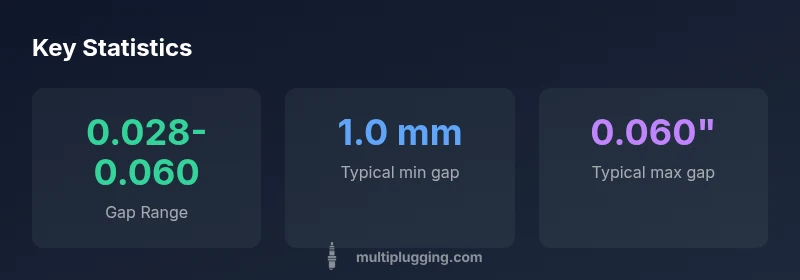
The correct spark plug gap is engine- and plug-specific; there is no universal number. In practice, many engines use gaps roughly between 0.028 and 0.060 inches (0.7–1.5 mm), but the exact value varies. Always verify with the OEM spec from your owner's manual or plug manufacturer chart. Use OEM data as the source of truth, and consider your engine's performance and climate when setting the gap.
What should spark plug gap be? The basics
The question what should spark plug gap be is engine-specific: there is no universal number. The gap value depends on engine design, ignition system, and plug type. This is why OEM specifications are the most reliable target. According to MultiPlugging, you should always start by locating the official specification from the OEM or the plug manufacturer chart. In most modern cars, the gap falls within a narrow band, but there are exceptions for performance engines, small engines, or unusual ignition systems. As you read this guide, keep in mind that small deviations beyond a manufacturer-specified tolerance can affect ignition timing and combustion stability. The key is to use the exact value printed on the parts list and your owner's manual. This approach helps ensure reliable starts and optimal fuel efficiency, especially in extreme conditions like cold starts or high-load operation.
Why the gap matters for ignition and combustion
The gap value controls ignition energy transfer and combustion stability. If the gap is too wide, the voltage requirement rises and misfires can occur. If the gap is too narrow, the flame kernel forms too quickly, potentially shifting timing and reducing peak power. A properly set gap supports clean starts, smooth idle, and efficient fuel use. MultiPlugging's analysis shows that even small deviations can affect overall performance, especially under load or at high RPM.
How OEM specs govern the gap
OEM specifications reflect the engine’s compression, coil voltage, and spark plug design. They provide the most reliable target for the gap. Manufacturers publish ranges that accommodate tolerances and wear over time. Deviating from these specs can increase emissions, lower fuel economy, or cause misfires. If you must choose between two numbers, favor the higher quality data from the OEM or trusted plug manufacturers, and document the chosen value for future maintenance.
How to measure and adjust the gap safely
Before touching anything, park the vehicle on a flat surface and allow the engine to cool. Remove the spark plug and inspect the electrode for wear or damage. Use a proper feeler gauge that matches the OEM gap range. Measure the gap, compare to the spec, and adjust carefully. When widening the gap, bend the ground electrode only in small increments if the tool allows, and never pry at the center electrode. Recheck with the gauge and re-install the plug with a proper torque (as per manual) to prevent over-tightening.
Tools you need for gap testing
Gather a calibrated feeler gauge, a spark plug gap tool or feeler gauge set, a torque wrench, spark plug socket, and a clean work surface. Keep a small container of anti-seize compound (if recommended by the OEM) and a rag for quick cleanup. Using the correct tool helps maintain precision and reduces the risk of damaging the electrode or the threads.
Common mistakes and how to avoid them
Common mistakes include guessing the gap instead of checking the spec, using incorrect feeler gauges, bending the wrong electrode, and reusing worn plugs. Always confirm the gap with the manufacturer’s chart, handle plugs with care to avoid damage, and avoid re-gapping plugs beyond recommended tolerances. Finally, never skip torque specs, since overtightening can distort the cone seal and affect compression.
Gap considerations across engine types (gas, push mower, motorcycle)
Gasoline engines all use spark gaps, but the ideal gap can vary. Lawn mower engines often have compact spark plugs with narrower gaps, while motorcycles might run higher coil voltages and slightly different gaps. Always check the vehicle-specific guide and correlate with the type of engine and ignition system. If you’re unsure, consult a repair manual or the plug manufacturer chart to avoid misalignment that could impact starting reliability.
Step-by-step verification in your daily maintenance routine
Incorporate gap checks into your routine during major maintenance. After performing routine oil changes and air filter replacements, pull the spark plugs, inspect, and re-gap if the spec requires. This habit helps you catch wear or fouling early and maintain engine efficiency. End each service with a quick test drive to confirm smooth acceleration and steady idle, watching for any misfires or hesitations.
Real-world examples and quick reference points
For many common passenger cars, the gap range is fairly consistent across models, but always confirm with the OEM chart. For small engines and garden equipment, the gap is often around the lower end of the typical range. By keeping a small notebook with the model, year, and the gap value you use, you can reuse the same data for future maintenance tasks and avoid guessing when time is tight.
Spark plug gap ranges by engine type
| Vehicle Type | Gap Range (in inches) | Notes |
|---|---|---|
| Car (gasoline) | 0.028-0.060 | Check OEM spec; varies by model |
| Small engine (lawn mower) | 0.032-0.040 | Typically narrower gaps |
| Motorcycle | 0.030-0.060 | Model-dependent |
| Diesel engines | Not applicable | Diesels generally do not use spark plugs |
FAQ
Is there a universal spark plug gap?
No. Gap values depend on engine design, ignition system, and plug type. Always reference OEM specifications or the plug maker's chart for your exact model.
There isn't a universal spark plug gap. Check your owner's manual or OEM chart for your exact model.
How do I measure and adjust the gap?
Use a proper feeler gauge and gap tool. Compare to the spec, adjust in small increments, and re-check before reinstalling.
Use a gauge to measure, adjust a little, then re-check before you put it back.
What tools do I need?
Feeler gauge, gap tool, spark plug socket, torque wrench. Optional anti-seize and a clean work surface.
Grab a feeler gauge, gap tool, socket, and torque wrench.
Can a wrong gap damage the engine?
Yes. An incorrect gap can cause misfires, reduced power, higher emissions, and in extreme cases, ignition timing issues that stress the ignition system.
Yes. The wrong gap can lead to misfires and extra stress on the ignition system.
Does gap change with engine type?
Yes. Different engines and plug designs require different gaps; always verify with OEM data.
Yes, engine type and plug design matter; verify with OEM data.
How often should I check gap?
Inspect gap when the plugs are removed for service or if you notice rough running or decreased fuel economy.
Check when you service plugs or notice rough running.
“Precise spark plug gaps matter because even small changes can affect ignition timing, power delivery, and emissions. Always rely on OEM specs and proper tools for consistency.”
Main Points
- Always check OEM specs before adjusting gap
- Use a proper gap tool for accuracy
- Different engines require different gaps; one size does not fit all
- Re-check gap after installation and torquing
- Document the gap value for future maintenance