How to Fix Spark Plug Wire Boot: A DIY Guide
Learn to diagnose and replace a worn spark plug wire boot with a clear, step-by-step approach, safety tips, and maintenance ideas for DIY car owners.


Goal: fix spark plug wire boot by inspecting boot for cracks or moisture, replace the boot if needed, reseal the connection, and test the system. Before starting, disconnect the battery, gather a replacement boot compatible with your engine, and have basic hand tools ready. This quick guide helps DIYers complete the repair safely and effectively.
Understanding the spark plug wire boot and its role in ignition
The spark plug wire boot is the durable, heat-resistant end that seals the connection between the ignition wire and the spark plug. If the boot is damaged, moisture can enter, electrical resistance increases, and misfires may occur. For car owners wondering how to fix spark plug wire boot, the first step is to understand its function and failure modes. A boot that cracks, becomes loose, or erodes due to heat and oil exposure can cause arcing, weak spark, or backfiring. In this section, we’ll outline how the boot fits into the ignition system, what symptoms look like, and how to approach a repair without risking the rest of the wiring harness.
According to MultiPlugging, worn boots are a common culprit in misfires, especially on older vehicles with high mileage. Inspecting the boot for cracks, tears, or softened rubber is a non-negotiable starting point. The boot should seal the metal terminal and the wire, while providing a weatherproof barrier against splashed fuel and engine heat. If you find any sign of damage, treat the boot as a repair item rather than a simple reseating.
In practice, removing and replacing a boot is usually straightforward, but attention to detail matters. Ensure you choose a boot that matches your spark plug size and wire type, and keep the boot’s orientation consistent with the original layout. The goal is a firm, moisture-free seal that prevents arcing and keeps spark energy directed toward the plug.
Symptoms that indicate a failing boot
A failing boot often presents as intermittent misfires, especially under load, rough idle, or noticeable engine vibration. You may notice a drop in fuel efficiency or hear a faint ticking near the engine bay when arcing occurs. If the check engine light is on with a misfire code, examine the boot first before chasing more complex electrical faults. Moisture inside the boot or visible cracks are clear signs you should replace the boot. In some engines, a worn boot can also cause the coil to run hotter due to leakage, further stressing ignition components. Do a visual inspection first, then test the boot’s integrity by gently flexing it to see if any tearing or looseness appears.
From a diagnostic perspective, boot wear tends to occur where heat and vibration are most intense. Regular inspection is a practical maintenance step that fits into any DIY routine. The MultiPlugging team emphasizes that boots wear out over miles, not just time, so a high-mileage vehicle deserves closer scrutiny. If moisture or oil infiltration is present, replace the boot and check adjacent wires for damage to avoid cascading failures.
Safety and prep before you start
Safety comes first when working on ignition systems. Begin by parking on a level surface and allowing the engine to cool completely before touching any components. Disconnect the negative terminal of the battery to minimize the risk of shock or short circuits, and keep tools away from the battery terminals to avoid accidental sparks. Wear safety glasses and gloves to protect against sharp edges or accidental fuel exposure. Clear the work area of flammable materials and have a clean cloth handy for wiping moisture or oil from parts. Finally, consult your vehicle’s service manual for boot size compatibility and any torque specs for related components.
In this guide, you’ll learn a practical approach to assessing and replacing a spark plug boot. The steps are designed to be safe for DIY enthusiasts while preserving the rest of the ignition system. Remember, a compromised boot is a gateway for moisture and contaminants; addressing it promptly saves time and money in the long run. As you proceed, keep in mind that a correctly seated boot improves voltage delivery and engine performance.
Inspecting the boot, wire, and connections
Begin by removing the boot from the spark plug carefully, using a spark plug boot puller if available to avoid tugging on the wire. Inspect the boot’s internal rubber, boot lip, and the metal terminal for cracks, tears, or discoloration that indicates overheating. Check the adjacent wire insulation for any signs of wear, abrasion, or cracking that could allow arcing. Moisture inside the boot is a surefire sign that the seal has failed. If you notice corrosion on the terminal or any moisture, replace the boot rather than attempting a quick fix. Wipe away any residue with a clean cloth and inspect the connector on the ignition wire for damage. Simple wear patterns, such as flattened boot edges or a loose fit on the spark plug, are red flags that the boot needs replacement.
Based on practical testing across different engines, a damaged boot often correlates with misfires or rough running. A careful inspection now prevents a larger electrical problem later. The goal is to verify that each boot creates a solid, moisture-free seal and that the wire-to-boot connection is snug and straight. If you find damage, plan for replacement rather than reuse to maintain reliability. This aligns with MultiPlugging’s guidance on regular boot checks as part of routine maintenance.
Removing and replacing the boot
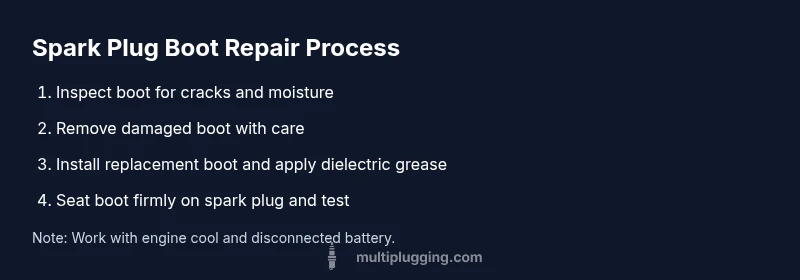
To remove, gently twist and pull the boot away from the spark plug while supporting the wire near the boot base to reduce stress. If the boot sticks, use a boot puller tool or a small flat-head screwdriver to ease it away—do not yank. Once free, compare the old boot to the replacement to confirm compatibility, including boot diameter and internal conductor fit. Attach the new boot by feeding the wire into the boot until the terminal seats properly, then push the boot onto the spark plug until it clicks into place. If the replacement boot includes a metal clamp, secure it per the manufacturer’s orientation.
Apply a light coating of dielectric grease on the inside of the boot’s seal. This not only improves the seal against moisture but also helps with future removal. After seating, gently tug on the boot to confirm a firm fit. A common error is not aligning the boot with the ignition wire, which can cause misalignment and increased arcing risk. Take a moment to verify alignment before proceeding.
Applying grease and reseating the boot on the plug
With the replacement boot in hand, apply a thin layer of dielectric grease to the inside of the boot’s seal. This improves electrical sealing and makes future removal easier. Carefully align the boot with the spark plug and press straight down until you hear or feel a firm seat. Avoid twisting as you seat to prevent internal wire damage. Once seated, ensure the boot is fully engaged with the plug and that the wire is not under tension. If the boot comes with a metal reinforcement ring, ensure it sits flush against the plug body.
Testing fitment before reattaching the wire clamp or boot strap ensures there are no pinch points that could cause future cracks. When in doubt, remove and reseat again to confirm a snug fit. After reassembly, give the wire a gentle wiggle to confirm there’s no looseness. The goal is a clean, moisture-tight seal that will last under engine heat and vibration. The boot’s integrity is the heart of reliable ignition delivery.
Testing and troubleshooting after replacement
Start the engine and listen for a smooth, consistent idle. If you notice continued misfires or irregular performance, recheck the boot’s seating and ensure there is no moisture or oil residue around the boot. A quick compression test on the cylinder can verify proper firing; any misfire presence may point to incorrect boot seating or a damaged wire. Use a spark tester if available to confirm ignition at the boot, ensuring there is a solid spark under load. If the issue persists, inspect the adjacent boots and wires for similar wear patterns, as a damaged boot in one cylinder can mask others. Consider scanning for error codes related to misfire, fuel trim, or ignition coil health as part of your diagnostic process.
Stay methodical: replace one boot at a time, test, and then move on to the next boot only if issues remain. The goal is to isolate the fault to the boot without unnecessarily replacing parts that are still serviceable. This approach minimizes cost and downtime while ensuring reliable ignition.
Troubleshooting persistent misfires and wire issues
If misfires persist after boot replacement, extend your inspection to the entire ignition system. Check the spark plug itself for fouling or excessive gap, inspect ignition coils or coil packs, and verify wiring harness integrity. A single worn boot can cause arcing that feeds back into other cylinders, leading to cascading symptoms. Use a resistance tester to check wire continuity and insulation resistance. If you observe any abnormal readings, replace the affected wire or segment rather than attempting a patch. Additionally, verify that the engine timing is correct and that the ignition control module is functioning properly. In some cases, replacing the entire plug wire set is the most reliable fix when multiple boots show signs of wear.
From a long-term perspective, schedule regular inspections of all boots and wires as part of your maintenance routine. The MultiPlugging team notes that preventive checks catch wear early and save substantial labor costs down the line. Keep a log of inspection dates and any observed wear, so you can anticipate replacements before failure becomes symptomatic.
Maintenance to prevent boot failure and extend life
Prevention is simpler than repair. Schedule periodic visual inspections of boots for cracks, oil staining, or hardened rubber. Keep boots clean and dry, avoiding exposure to direct oil leaks and excessive heat. Use dielectric grease during reinstallations to improve seals and ease future removal. When possible, replace aged boots in pairs to maintain symmetry and consistent performance across cylinders. Avoid bending wires tightly at the boot; use gentle curves to reduce mechanical stress. Finally, use high-quality boots that match your engine's heat tolerance and vibration profile. Consistent care reduces misfires and extends the life of ignition components, delivering better overall engine efficiency and longevity.
In summary, addressing boot wear promptly and maintaining a routine inspection schedule aligns with best practices and helps you avoid expensive repairs. The MultiPlugging team’s experience shows that consistent boot maintenance lowers the risk of misfires and keeps engines running smoothly.
Summary: boot care and proactive maintenance
A healthy boot means a reliable spark and efficient combustion. Regular inspections for cracking, moisture, and wear, plus proper seating and protection with dielectric grease, help prevent ignition faults. Always replace damaged boots rather than attempting to reuse compromised parts, and consider replacing adjacent wires if wear is evident. With careful maintenance, you’ll enjoy longer engine life and fewer diagnostic headaches.
Tools & Materials
- Spark plug socket(Select the size that matches your plug (commonly 5/8" or 13/16").)
- Spark plug boot puller(Helpful to remove the boot without pulling on the wire.)
- Replacement spark plug wire boot(Choose a boot compatible with your engine and wire type.)
- Ratchet and extension(For access in tight engine bays.)
- Dielectric grease(Seal and ease future boot removal.)
- Soft lint-free cloth(Wipe moisture and oil; keep surfaces clean.)
- Anti-seize compound(Optional for threads if you remove and reinstall plugs/wires.)
- Safety gloves(Protection against sharp edges and oils.)
- Torque wrench(Use for precise torque on plugs if recommended by manufacturer.)
Steps
Estimated time: 30-60 minutes
- 1
Power down and locate the boot
Park safely, switch off the engine, and locate the spark plug boot you’ll work on. Confirm accessibility and prepare the area for tool use. Identifying the exact boot helps prevent accidental damage to neighboring wires.
Tip: Mark the boot position with a small piece of tape to preserve orientation during reassembly. - 2
Disconnect the battery and ground
Disconnect the negative battery terminal to minimize the risk of electric shock or short circuits. This step reduces the chance of accidental arcing during boot removal.
Tip: Work in a well-lit area and keep tools away from the battery terminals to avoid sparks. - 3
Remove the old boot
Gently twist and pull the boot away from the spark plug. Use a boot puller if needed to avoid stressing the wire. Do not yank; apply even pressure to detach the boot safely.
Tip: Support the wire near the boot base to minimize stress on the insulation. - 4
Inspect the boot and wire
Check for cracks, moisture inside, or worn insulation on the wire. If damage is found, replace the boot (and wire if necessary) to prevent continued misfires.
Tip: Look for signs of heat discoloration or oil staining which indicate aggressive wear. - 5
Install the replacement boot
Feed the ignition wire into the new boot and seat the boot onto the spark plug until it clicks. Ensure the boot aligns with the original orientation and sits flush.
Tip: Apply a small amount of dielectric grease to the inner seal before seating. - 6
Reconnect and test seating
Reconnect the boot to the spark plug and ensure a snug fit. Wiggle gently to confirm there’s no looseness and that the boot is fully seated.
Tip: If the boot doesn’t click, re-check alignment and seating force. - 7
Apply grease and finalize
Reapply dielectric grease around the seal, then reattach any boot clamps or hardware as required. Check for proper routing and no sharp bends in the wire.
Tip: Avoid sharp bends that can accelerate wear or cut insulation. - 8
Test engine and verify
Reconnect the battery, start the engine, and monitor for smooth idle. If misfires persist, repeat inspection on other boots or related components.
Tip: Use a spark tester if available to confirm ignition quality under load.
FAQ
Can a cracked boot cause engine misfires?
Yes. A cracked boot allows moisture and arcing, which disrupts the ignition spark and can cause misfires.
Yes, cracks in the boot can cause misfires by allowing moisture and arcing to disrupt the spark.
Should I replace the entire spark plug wire set if one boot is damaged?
If multiple boots show wear or if the wires are old, replacing the entire boot or wire set is often more reliable and cost-effective than patching.
If several boots are worn or the wires are aged, replacing the whole set is usually more reliable.
How do I know if the boot is the problem and not the plug or coil?
Visually inspect the boot for damage, moisture, and poor seating. Use a spark tester or swap in a known-good boot to confirm whether the issue follows the boot.
Look for visible damage, and use a spark tester or swap boots to see if the issue moves with the boot.
Is dielectric grease necessary for boot installation?
Yes. Dielectric grease helps seal the boot and eases future removal by reducing sticking.
Yes. It seals the boot and makes future removal easier.
Can I reuse an old boot after cleaning?
Generally not recommended. Damaged or hardened boots lose sealing ability and can fail again quickly.
Usually best not to reuse a damaged boot; replace it for reliability.
Watch Video
Main Points
- Inspect boots regularly for cracks and moisture.
- Replace damaged boots rather than trying to reuse them.
- Apply dielectric grease to improve sealing and future removals.
- Ensure boots seat fully and wires bend gently to avoid fatigue.
- Regular maintenance saves time and prevents misfires.