What Spark Plug Do I Need? A Practical DIY Guide
Learn how to identify the correct spark plug for your engine by heat range, thread size, and gap. A data-driven, DIY-friendly guide by MultiPlugging for car owners and enthusiasts.


The spark plug you need is the one specified by your engine manufacturer. It depends on heat range, thread size, and electrode design, plus the gap setting. In most gasoline engines, the chart in your owner's manual or a trusted brand guide will show the exact plug type (iridium, platinum, or copper) and the recommended gap. Always verify with the vehicle's manual or MultiPlugging's diagnostic guides.
Why getting the right spark plug matters
If you're asking what spark plug do I need, the answer starts with the engine manufacturer’s specification. The spark plug is the only part of the ignition system that directly lights the air-fuel mixture, so selecting the right plug affects efficiency, emissions, and reliability. According to MultiPlugging, the most important characteristics to match are heat range, thread size, reach, and electrode design. Using the wrong plug can cause fouling, pre-ignition, or misfires, leading to reduced fuel economy and rough idle. In this guide, we’ll break down how to identify the correct plug for your setup and how to verify it during a DIY replacement.
Understanding engine specifications and how they guide plug choice
Engine specifications are a roadmap for spark plug selection. The heat range determines how hot or cold the plug runs, which affects combustion temperature, fouling risk, and the chance of pre-ignition. Thread size and reach ensure a proper seal and accurate electrode placement in the combustion chamber. Electrode design (copper, platinum, or iridium) influences longevity and firing consistency. In practice, most modern engines use a mid-range heat plug with standard 14mm threads and a common reach; however, exact requirements come from the owner’s manual or the vehicle’s maintenance charts. Matching these factors helps maximize efficiency and minimize maintenance surprises.
How to read your vehicle's spark plug chart or owner's manual
Start with the owner’s manual or service data for your specific model. Look for a table labeled Spark Plug or Ignition that lists: heat range, thread diameter, reach (how deep the plug seats), and gap spec. If your manual uses a code (for example, a plug family name and a number), note the correspondences and then cross-check with a trusted brand guide. If your vehicle has a serviceable compatibility chart online, use it to confirm the exact plug family (iridium, platinum, copper) and the recommended gap. For DIYers, a quick cross-check against the clearing of any service bulletins can prevent mismatched replacements.
Common spark plug types and what they mean
Copper plugs are affordable and heat up quickly but wear out faster. Platinum and iridium plugs last longer and resist fouling, which is beneficial for engines with higher compression or modern fuel formulations. Iridium typically offers the best compromise between longevity and cost, while platinum sits between copper and iridium in durability. When choosing, consider your driving style, climate, and the engine’s compression level. The goal isn’t the cheapest plug, but the plug that maintains proper combustion and reliable ignition for your engine.
How to select by engine performance and maintenance goals
If your priority is reliability and long replacement intervals, pairing with OEM heat range is usually the best approach. If you push the engine toward higher performance or you live in extreme conditions (very hot or very cold climates), you may consider a plug designed for those extremes, but only after confirming compatibility with your ECU and ignition system. For most daily drivers, sticking with the manufacturer’s recommended heat range and electrode type yields the best balance of performance, emissions, and fuel economy. Always verify any performance upgrade with current service data and manufacturer guidance.
Practical steps to identify and verify the correct plug
Gather your vehicle’s year, make, model, engine size, and VIN. Use the owner’s manual or the manufacturer’s online data to identify the exact heat range, thread size, and reach. Check the old plug for markings that align with the recommended category, then cross-check with a reputable spark plug guide. If you’re replacing plugs yourself, inspect the old plugs for wear patterns to confirm the engine is operating within normal limits. After installation, re-check the torque and the gap to ensure a precise seal.
Gap measurement and adjustment: tips and pitfalls
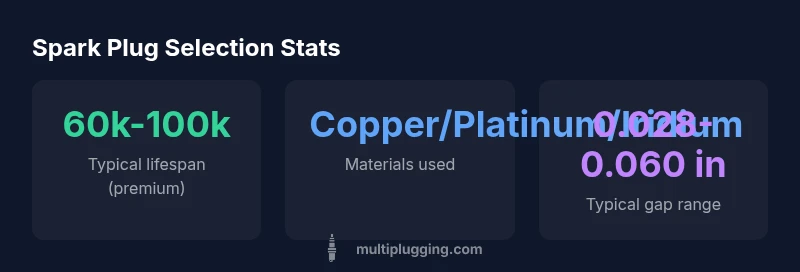
Most modern spark plugs come pre-gapped, but many engines require minor adjustments. Use a proper feeler gauge and the recommended gap range (commonly around 0.028-0.060 inches, depending on the engine) to set the gap before installation. Avoid bending the center electrode or applying force with a non-appropriate tool — use a proper-gap tool. If you install a plug with the wrong gap, ignition timing and flame kernel expansion can suffer, reducing power and efficiency.
Common mistakes when choosing spark plugs and how to avoid them
Avoid design mismatches: using a hotter plug in a high-load engine can cause overheating and pre-ignition, while a colder plug can cause fouling. Do not mix plug types across cylinders unless the OEM specifically allows it. Never rely on price alone to pick a plug—durability, heat range, and compatibility with your ignition coils matter more. Always follow the vehicle manufacturer’s guidance and verify with a current guide from a trusted brand.
Quick-start checklist for your next plug replacement
- Gather year, make, model, engine, and VIN data.
- Confirm OEM heat range, thread, and gap from the manual.
- Inspect the old plugs to check wear and firing patterns.
- Set gap with a proper tool if required, torque to spec, and install.
- Reset ECU if advised by the manufacturer after a plug change.
- Test drive to confirm smooth idle and steady acceleration.
Overview of common spark plug types and basic specs
| Plug Type | Typical Heat Range | Thread Size | Common Applications |
|---|---|---|---|
| Copper | Medium | 14mm | Standard gasoline engines |
| Platinum | Medium-High | 14mm | Modern vehicles |
| Iridium | High | 14mm | High-performance or long-life needs |
FAQ
Do I need to use the OEM spark plug or can I upgrade for performance?
For most users, sticking with the OEM specification yields reliable performance and emissions compliance. Upgrades are only recommended when you have a clearly defined performance goal and have confirmed compatibility with your engine control system. Always verify with your vehicle’s maintenance data and a trusted guide.
Sticking to OEM specs is safest for most drivers; upgrades should be intentional and verified with guidance.
What happens if I use a colder or hotter plug than recommended?
Using a plug outside the recommended heat range can lead to fouling (colder) or overheating and pre-ignition (hotter). Both situations can reduce performance and damage the engine. Always follow the recommended range for your model.
Going outside the recommended heat range can cause fouling or overheating and should be avoided.
Can I mix different spark plug types across cylinders?
Mixing plug types is generally not advised unless the manufacturer explicitly allows it. Differences in heat range and firing characteristics can create uneven performance and compromise ignition reliability. If in doubt, replace all plugs with the same specification.
Only mix plugs if the manufacturer allows it; otherwise replace all with the same specification.
Is there a universal spark plug for all engines?
No universal spark plug exists for all engines. Vehicle-specific heat ranges, thread sizes, and reach vary widely. Always consult the owner’s manual or a trusted compatibility guide before purchasing.
There isn't a universal plug—check your manual for the exact spec.
How often should I replace spark plugs?
Replacement intervals vary by plug type. Premium plugs often last longer, while copper plugs may require more frequent changes. Follow the manufacturer’s schedule and inspect plugs during routine maintenance to adjust timing.
Follow the manufacturer’s schedule and inspect plugs during maintenance.
“Choosing the right spark plug is a balance of heat range, electrode design, and maintenance goals; the impact on efficiency is strongest when all factors align with the engine’s operating conditions.”
Main Points
- Identify OEM spec first before choosing a plug
- Match heat range to engine condition and climate
- Confirm thread size and reach for proper seating
- Check and set the correct gap prior to installation
- Follow manufacturer guidance to avoid misfires and fouling